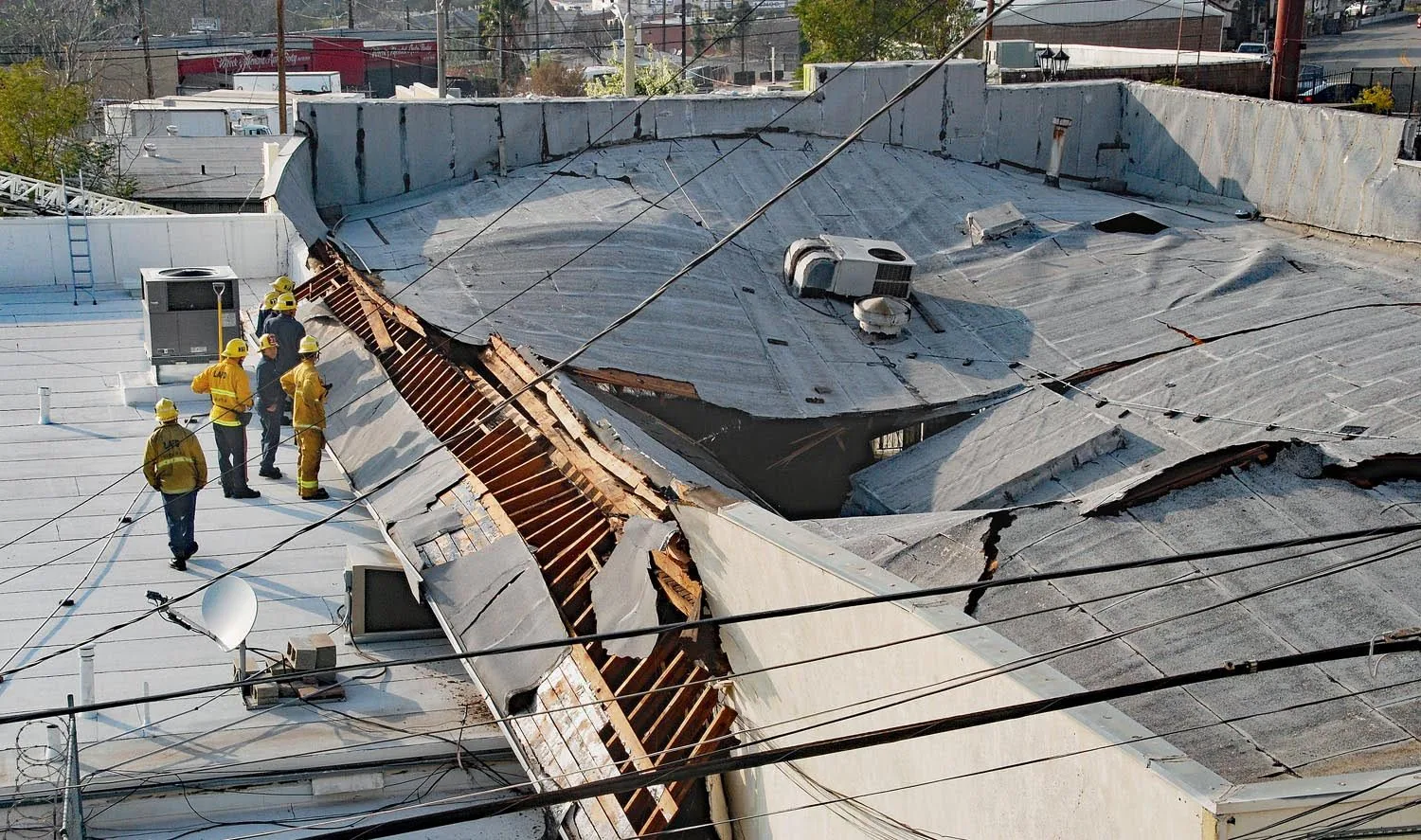
Fire-Damaged Commercial Roof Restoration
A heat-distorted skylight frame can leave its weathering connection unusable even where adjoining membrane appears attached. The replacement decision needs the component geometry and roof receiving condition examined together. After the building is released for appropriate access, we assess the damaged roof interface in New Braunfels, TX. The responsible component installer determines the frame replacement requirements. We identify roof layers and flashing that must be rebuilt to meet the suitable replacement.
We inspect and restore commercial roofing affected by fire and related response work. Visible surface condition is only part of that examination. Heat, openings made during response and water within the assembly can change removal. Qualified assessment resolves structural and other safety concerns before roofing proceeds. The owner receives a measured roof reconstruction boundary, with component and support tasks identified where they affect the work. Remaining useful material requires examination before it is retained.
Establish suitable access before opening the assembly
A damaged roof area can have unsuitable support or exposed openings. We coordinate the inspection approach only after the responsible parties address access restrictions. Structural condition, electrical hazards and unstable components need the appropriate qualified assessment. Roof work should follow that release. A safe route across adjoining material also needs confirmation where the event has affected its support. The visible sheet alone cannot provide that assessment.
Temporary weather protection after roof damage may be necessary once access is suitable. We can respond nights, weekends and holidays after the building is released for safe access. We identify the opening and receiving construction before selecting that protection. Its support and attachment must be appropriate for the exposed condition. Interior protection and equipment isolation belong with their responsible parties. The permanent reconstruction remains a separate task, including removal of unsuitable material beneath any temporary closure.
Rebuild the distorted component's receiving interface
A deformed frame can alter the opening dimensions, seating and flashing height. The replacement component needs suitable support and a workable roof interface. We examine the existing curb and adjoining sheet while the component installer confirms its requirements. Damaged receiving material may need reconstruction before the new frame arrives. The allowance should distinguish that work from the purchase and installation of the component itself.
For reconstruction around a rooflight opening, we identify the complete flashing and termination. The detail must meet retained roofing without leaving an unsupported gap or unusable corner. If the replacement frame changes dimensions, review the connection before roof closure. A new component seated above an unfinished transition would leave the roofing work inaccessible or require reopening it during another visit.
Replacement geometry can also change the space needed to turn flashing at a corner. We check that receiving position before the component is fastened. The selected roof detail needs its required laps, reinforcement and termination clearance. A cover installed too early can prevent suitable preparation. Coordinate its placement with the completed flashing inspection so correction remains possible without dismantling the new component again.
Measure heat and water effects in the lower construction
A membrane near the affected opening may be distorted, split or unsuitable for a compatible repair. We examine its condition and the lower layers where they determine removal. Water from response or subsequent weather can affect insulation beyond visibly heated material. Focused openings establish that condition when appropriate. Wet, damaged or otherwise unsuitable layers need replacement. The roofing boundary should reach sound support and sheet capable of receiving the new assembly.
Rebuilding damaged roof boards and insulation requires identification of the deck beneath them. Suspected deck or support damage goes to qualified assessment before retention. Surface cleaning may improve visibility, but it does not restore a damaged material. The scope identifies suitable receiving layers, reconstruction depth and transitions to the retained field. Those quantities allow comparison of local rebuilding with a wider roof renewal where examination indicates it.
Protect the requested building's operating space
For a requested medical building roof, restoration needs coordination with the actual affected clinical and equipment areas. We identify interior protection and access restrictions before removing roofing. The operator determines which services can remain active. The released roof area must still permit complete rebuilding of the damaged assembly rather than a restricted closure around material requiring removal.
A requested institutional property in Seguin needs assessment of its specific damaged roof and receiving support. We locate the construction boundary and handling approach. Occupied areas beyond that boundary may need separate protection. The work allowance should identify those requirements with the material reconstruction, especially where component removal requires lifting above a shared route.
Coordinate replacement components with the roof closure
A rooflight, vent or equipment component can need delivery after the damaged roof is opened. We coordinate its dimensions and receiving requirements before that release. The sequence should allow support correction, component installation and permanent flashing without leaving an undefined interval. Temporary closure may be needed between those tasks. Identify its duration and inspection responsibility with the owner while the permanent material is arranged.
Response work can also leave an opening through previously usable membrane or an affected seam beside the reconstruction. We examine those connections independently. They may join the same repair boundary if suitable receiving material lies beyond them. The finished assembly should not rely on response openings or temporary patches that have never received permanent correction.
Compare the reconstructed area with the remaining roof
Local removal may be practical where the affected opening has a sound surrounding field. Broader material deterioration, water damage or unsuitable support can change that decision. We identify inspected construction and any further examination required before defining renewal. Replacement of a wider damaged roof area should include receiving-layer and component interface work. A new field sheet alone will not rebuild distorted rooflight support.
For roof reconstruction above continuing operations, compare phased protection and handling with a larger work release. Each option needs a complete weather closure. A photographed assessment of the retained roof distinguishes the reconstruction from material left in service. Completion checks should reach flashing and component transitions before protection is removed. Carry the restored material and boundary into the building's roof history for the next condition assessment.
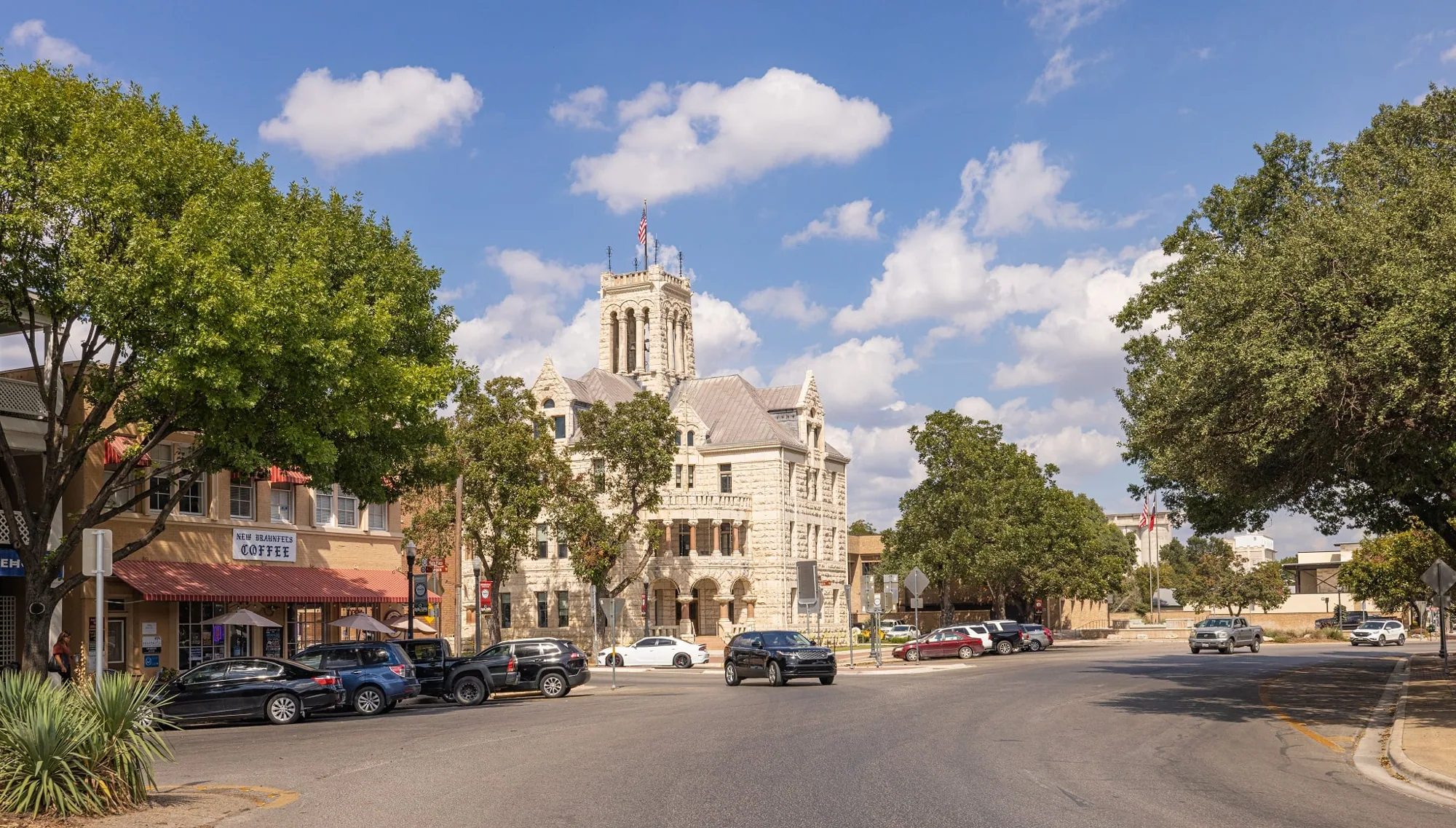
San Marcos lies northeast of New Braunfels on Interstate 35. Restoration scope still follows the affected building's materials, access needs and verified damage boundary.
Commercial Roofing Questions
Can a distorted skylight frame be sealed without replacement?
The responsible component assessment determines whether the frame can provide suitable seating and weather protection. We examine its roof interface and identify roofing that needs reconstruction. A bead of surface material cannot restore a distorted receiver or missing component connection. Resolve the required component work before defining the permanent flashing closure.
Why might roof removal extend beyond the visibly heated area?
Lower-layer damage or water can reach beyond visible surface changes. We investigate where that condition determines retention. The reconstruction also needs a suitable edge for connecting new roofing. We identify those material and transition boundaries before pricing the work. Qualified assessment addresses support concerns that affect whether the receiving construction can remain.
Who decides whether the roof deck remains suitable?
A qualified structural assessment resolves suspected deck or support damage. We identify accessible construction and conditions requiring that review, then coordinate roofing with its requirements. The membrane appearance should not determine structural retention. Replacement roof layers need suitable support established before they close the inspected area.
What should the restoration handover include?
Identify the roof boundary rebuilt, materials installed and component interfaces completed. Keep completion photographs distinct from the initial damage record. Include receiving layers replaced and any remaining roof task outside the work. The operator also needs the access and maintenance requirements of replacement components so later service does not disturb fresh flashing or create another opening.
Fire-Damaged Commercial Roof Restoration