Investors and REITs
A corroded perimeter cleat concealed beneath firm-looking coping can add receiving-metal reconstruction to an acquisition roof allowance. The outer cap's appearance does not establish the attachment beneath it. Investor roofing in New Braunfels, TX, connects that finding with the complete perimeter assembly. We inspect accessible securement and the roof connection. The owner can then compare local cleat rebuilding with the material retained in the cap, wall and field before setting the next investment.
A property roof expenditure needs a defined construction quantity. We inspect, repair and renew commercial roofs while distinguishing weatherproof surface condition from receiving support. A localized concealed defect can require work before the wider field is ready for replacement. The useful comparison identifies that correction and the remaining assembly. Purchase or renewal timing should be matched with access and practical closure of the actual damaged boundary.
Examine the concealed attachment below the cap
A coping cleat participates in securing the perimeter metal. Corrosion or damaged receiving material can make retention unsuitable even where the outer cover appears stable. We examine the accessible connection and identify where further opening is needed. Appropriate detail and attachment review should establish the correction where the assembly changes. The cap and roofing termination also need assessment so the completed perimeter forms a suitable weatherproof boundary.
We connect perimeter metal and cleat reconstruction with the material behind and below the cap. Some outer components may remain useful where the selected detail permits it. Others may need replacement for appropriate attachment or compatibility. The owner should compare those quantities separately. A new roof field alone does not rebuild a concealed cleat or restore damaged wall receiving material outside its surface installation.
Separate the immediate defect from the retained property roof
An acquisition assessment can identify several different roof conditions on one building. We examine the field, details and supporting layers where they change the work decision. The concealed perimeter defect should have its own rebuilding boundary. Suitable roof material away from it may remain useful. Broader moisture or weak securement can justify another renewal quantity. The proposal should identify those alternatives rather than assign one condition to the entire assembly.
A roof survey before a property transaction connects observed material with the work likely to be required. Selected openings can establish concealed construction where necessary and are restored appropriately afterward. The owner receives the actual findings and their roof-work implications. A condition that could not be examined needs a suitable next investigation where it changes the purchase or repair decision. The comparison should identify that task rather than disguise it within a general field replacement allowance.
Assess the investment building in the manufacturing corridor
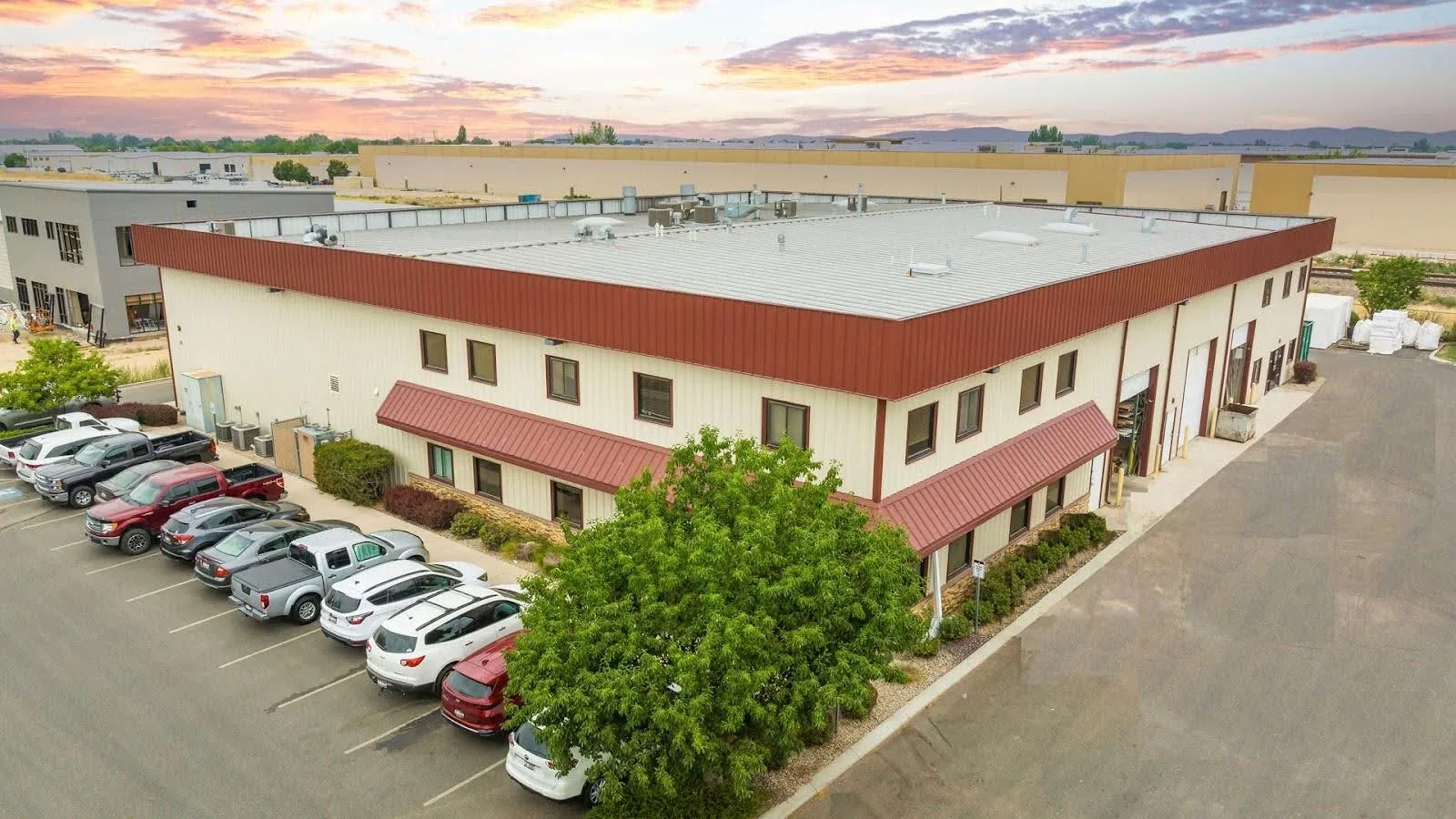
The facility is within Titan Industrial Park near Interstate 35, off FM 1101. An industrial property assessment should connect the examined roof with its production and handling needs. We inspect the material proposed for retention and the affected perimeter. A roof expenditure should include supporting detail work where necessary before another surface is installed.
Seguin's manufacturing employers include Hexcel, Caterpillar and CMC Steel. San Marcos also has manufacturing and light industrial activity. For a property in Seguin, the actual roof assembly and operating use can differ from one in San Marcos. We identify those conditions before setting the repair comparison. The useful investment distinguishes the cleat, receiving wall and field quantities. Access and occupied-area protection remain tied to the specific building work, not a common regional renewal assumption.
Identify the work release that the property can provide
Perimeter reconstruction may require an exterior position affecting tenant entrances or material movement. We inspect the handling approach and coordinate suitable separation with the building operator. Access to the concealed attachment also needs a practical removal sequence. A cap taken apart for assessment or repair requires suitable weather closure. The work should reach the complete damaged boundary before the perimeter is returned to service.
For managed-property roof work, the operating release should be established beside the material quantity. A building sharing office tenant space and warehouse use can have connected equipment or access routes. We assess the actual dependency. The owner should compare those handling and protection tasks with the permanent rebuilding, rather than fund only the cleat component without the access necessary to replace it properly.
Compare complete repair with wider renewal
A useful cap and field may support localized attachment reconstruction. Deteriorated receiving wall material or affected lower roofing can enlarge that correction. We examine the layers at the new connection before recommending retention. Wider field renewal should also include the perimeter detail it will meet. The options should identify what material stays, how it is secured and which damaged components are rebuilt.
We connect investment-property roof replacement with the assessed edge and support work. A planned equipment or tenant change can reopen another interface after renewal. Related preparation is worth comparing where it avoids removal of suitable new material later. The roof decision should show those connected tasks while keeping unrelated field deterioration distinct. The owner can then assess a complete useful assembly rather than compare surface alternatives that leave the same concealed attachment defect untouched.
Set the next expenditure from actual retained construction
A completed local cleat correction does not renew the condition of every roof layer around it. We identify the material remaining after that work and the condition requiring later attention. Suitable fields may continue in service with appropriate care. Repeated defects or broader deterioration can change the next removal decision. The investment should follow that actual construction rather than treat an immediate perimeter repair as a substitute for examining the rest of the roof.
We connect the property's roof capital decision with the purchase, operating and equipment dates that affect the work. An investor with hospitality operating properties can have another release requirement at each building. Access, lower-layer correction and complete details belong in the comparison. Your next allocation should provide useful protection at the affected assembly and leave retained material identifiable for the subsequent building decision.
Commercial Roofing Questions
Can sound-looking coping conceal a repair quantity beneath it?
Inspect accessible attachment and receiving construction rather than assess only the outer metal. A corroded cleat or deteriorated support can require local rebuilding. The cap may remain useful where the selected detail permits retention. We identify those quantities before recommending the perimeter work. The owner should compare a complete secured assembly with any broader field renewal under consideration.
How should a concealed defect influence the acquisition roof allowance?
Define the component needing investigation or correction and the construction it meets. We assess access and removal needed to establish its actual quantity. The owner can compare that work with useful retained roofing elsewhere. A general surface allowance should not obscure a known perimeter defect. The investment needs the material and practical release required for complete attachment and weatherproofing reconstruction.
Does correcting the cleat renew the remaining roof's useful condition?
The completed correction restores its defined component and interface. We examine the field and lower layers independently. Suitable material may remain for continued care, while wider deterioration can require another phase. The owner should see that retained assembly and its actual condition after local work. One perimeter expenditure should not be treated as completion of unrelated receiving-layer or field renewal.
What if tenant access prevents the proposed cap removal?
Establish another suitable handling position or operating release with the building operator. We identify the opening and closure needed to reach concealed attachment. A narrower work period still has to permit complete rebuilding of the damaged boundary. The comparison should include those access tasks. The repair should not stop at a surface seal because the receiving cleat requires a different position to reach.
When should a local perimeter repair be combined with larger renewal?
Review the field condition and the edge requirements of the proposed assembly. Related cleat and receiver work can be useful where the renewed roof must meet them. We identify those material quantities separately from unrelated defects. The owner should compare retention, removal and operating protection for each choice. Combining tasks should resolve the actual shared interface rather than leave the concealed attachment outside a new surface installation.

Investors and REITs