Commercial Roof Inspection
A loose termination above serviceable membrane moves the next expenditure toward the perimeter. Replacing the field may leave that failed connection untouched. A commercial roof inspection in New Braunfels, TX, identifies the condition that changes your repair or renewal decision. We examine the working assembly, not just the largest visible surface. Edges, outlets, equipment details and the material beneath suspect areas can each alter the useful scope.
Commercial Roofing New Braunfels conducts hands-on inspections with photographs and written findings. We explain the local correction, the material that may remain and the questions requiring further examination. An inspection for an active failure has a different priority from one before an acquisition. We establish your decision first, then assess the roof conditions that bear on it. The result should help you approve measured work rather than an undifferentiated roof expense.
Examine the connections that hold the assembly
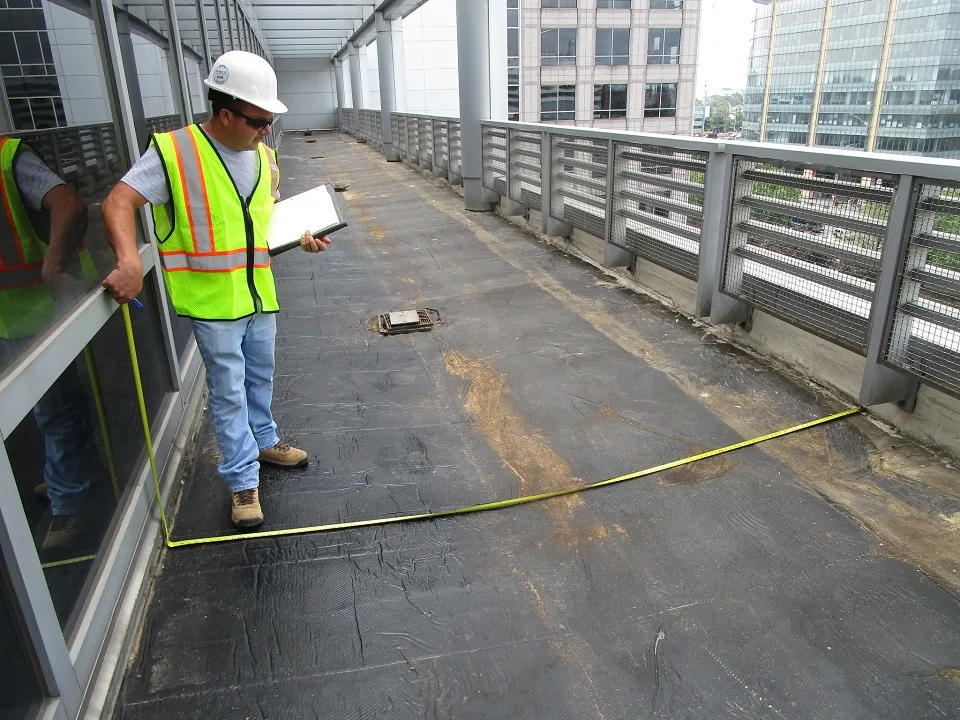
Lifted seam edges, loose flashing and disturbed fasteners deserve close examination. We walk accessible roof areas and inspect the details appropriate to the installed system. Membrane condition, joints, perimeter attachment and penetration flashing all enter the review. A repaired area needs examination at its boundary as well as its center. The connection between old and new material may reveal a condition that an intact patch surface conceals.
Metal roofing presents a different set of observations. We examine panel joints, exposed fastening where present, flashing connections and signs of corrosion. Movement and failed washers can affect water entry. On membrane systems, surface contamination or deteriorated material can affect future repair methods. We relate those observations to a practical correction. Where a defect is localized, defined repair work may retain useful surrounding roofing instead of committing the building to immediate renewal.
Follow the discharge route
Debris at a drain can conceal the condition of the connection beneath it. We examine accessible outlets, strainers, sump areas and the surface leading toward discharge. Staining and sediment patterns can help direct attention to areas that retain water. The inspection separates a blocked outlet from a low surface or failed drain detail. Those findings call for different work even when each produces water around the same opening.
Overflow provisions and nearby openings also deserve attention. A curb or wall transition must have suitable height relative to the finished roofing. Added roofing layers can change that relationship. We assess drain and scupper conditions alongside the surrounding assembly. The owner can then distinguish cleaning from detail rebuilding or drainage redesign. Approving maintenance for a geometric problem can leave the principal cause of continued exposure outside the expenditure.
Resolve the layer that changes retention
Softness beneath a surface may indicate a damaged layer that a visual walk cannot define. We examine suspect areas and recommend suitable further testing when their condition would change the work. A physical opening may identify the existing layers and expose moisture or deterioration. The opening needs appropriate authorization and a suitable closure. Its location should answer a specific assembly question rather than create random disturbance across the roof.
An infrared survey with physical confirmation can help investigate broader moisture patterns under suitable conditions. It does not replace evaluation of attachment or deck condition. The test method must fit the unresolved question. For a possible recover, the retained material needs examination before a new layer conceals it. For replacement planning, concealed findings can define removal and rebuilding quantities that a surface-only estimate would omit.
Compare buildings along the operating corridor
Interstate 35 connects New Braunfels with Schertz and Selma to the southwest. An owner comparing roof expenditures across those cities needs a separate condition assessment for each building. A common installation age can help organize the inspection schedule. It does not replace examination of each assembly. Drainage, equipment changes and past corrections can leave buildings at different points in their renewal decisions.
For an inspection above manufacturing use, roof access and the activity beneath test areas need coordination. We define the inspection work against that occupied use. A property in Schertz may need a different access release from a building in San Marcos. The useful comparison remains the condition, correction quantity and consequence of deferring each finding.
Connect the finding to an expenditure
A photograph of an open joint becomes useful when its location and repair boundary are clear. We describe the observed condition and the recommended action. Findings that need further testing remain distinct from confirmed repair items. The written assessment should also identify what was accessible and what remains unresolved. That prevents a limited examination from being treated as a complete view of concealed construction.
We connect written condition findings with practical priorities. Active entry, unstable components and deteriorating layers may require earlier action. A serviceable area can remain in the later renewal comparison where its condition supports that choice. The next capital allocation should address the building's actual needs. We explain the consequences of deferral without assigning invented scores or turning every visible blemish into a replacement trigger.
Reinspect the changed interface
A new equipment penetration can change a previously suitable roof connection. So can storm exposure, a leak or repair work that affects adjoining material. We examine the changed area and its relationship to the remaining assembly. The useful inspection interval follows the roof condition, operating demands and applicable maintenance requirements. A calendar visit should still address the details that can change the owner's next work decision.
Comal County has hot, humid summers. Temperature and surface conditions can affect safe access and material examination. We plan the visit against those conditions and any testing requirements. Cost drivers include roof access, assembly complexity, the number of suspect areas and further investigation. We distinguish the visual and hands-on examination from additional opening or survey work. Your approval can then fund the examination needed for the decision at hand, with unresolved work clearly separated.
Commercial Roofing Questions
Can an inspection support a recover decision without test openings?
Existing assembly information and accessible conditions may answer some questions. Concealed moisture, layer counts or uncertain support can still require physical examination. We identify which question needs resolution before retention is approved. A visual walk alone should not be used to assume suitable hidden material where that condition controls recover eligibility. Testing belongs where it changes the proposed assembly.
Should I inspect adjacent roof areas after installing new equipment?
Examine the new penetration, its flashing and the nearby service route. Installation traffic or changed supports can affect material beyond the immediate curb. We assess those interfaces and identify any correction needed. The review also considers whether future equipment maintenance can occur without disturbing the roofing. That protects the new connection and the useful material remaining beside it.
What distinguishes an acquisition inspection from a leak visit?
An acquisition needs a broader view of repair needs, retained material and possible renewal exposure. A leak visit first addresses the active entry and affected assembly. We can examine both, but their scopes should be clear. A transaction deadline may also make unresolved concealed-layer questions more urgent because they can affect the investment decision before the property changes hands.
How should I prioritize roofs with different kinds of findings?
Compare the consequence of each condition before comparing surface appearance. Active entry over sensitive operations may take precedence over isolated wear on suitable material. Loose components and concealed deterioration need their own priority. We describe the correction and deferral consequence at each building. That gives you a practical basis for distributing the repair budget and scheduling the next renewal phase.

Commercial Roof Inspection