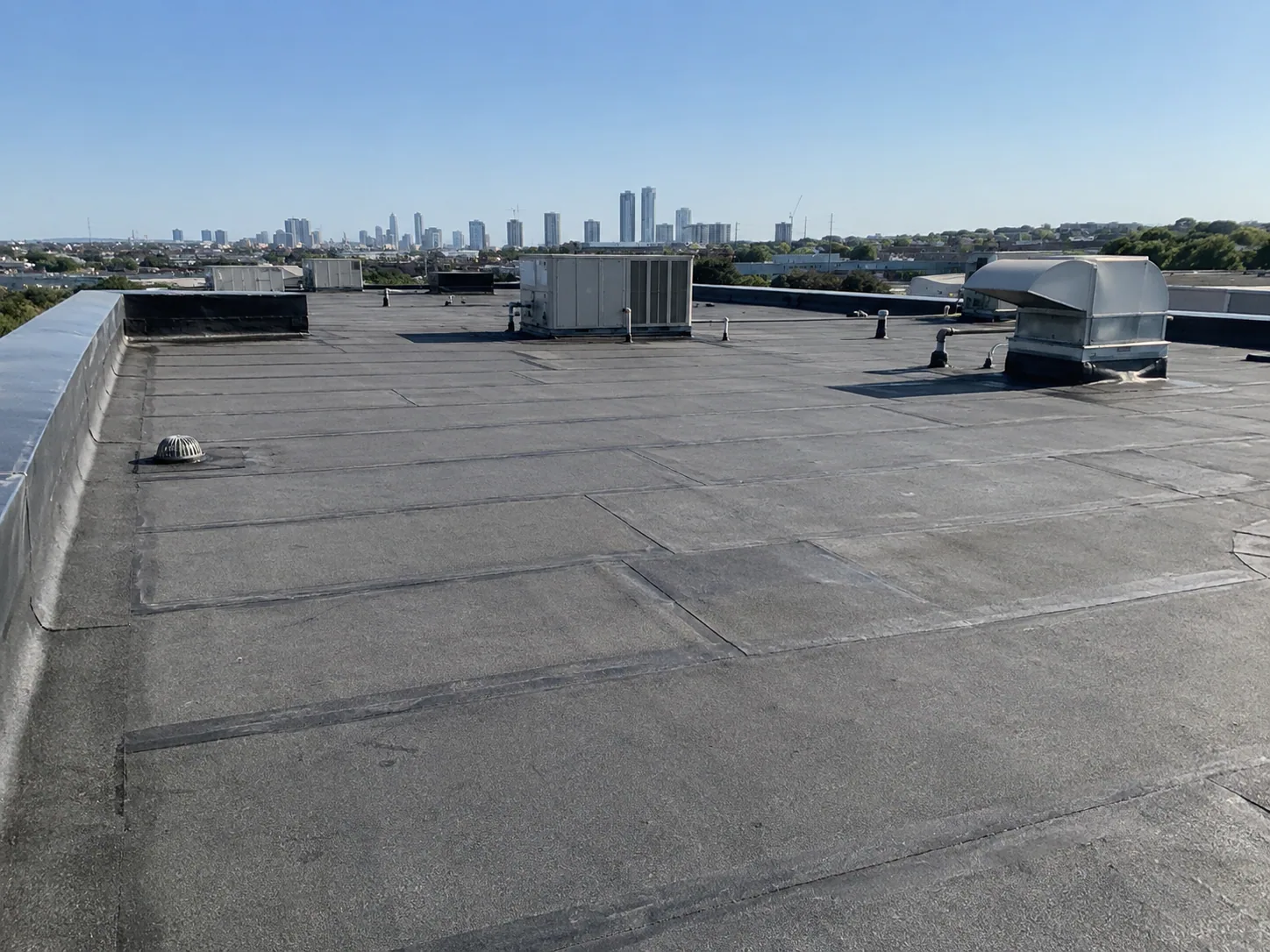
Commercial Modified Bitumen Roofing
A blister separating modified bitumen plies makes surface coating a second decision. The lifted layers need examination first. Modified bitumen roofing in New Braunfels, TX, calls for assessment of the membrane, interply condition and supporting assembly. We identify the affected boundary before selecting a local repair or renewal phase. Closing only the exposed surface can leave unsuitable material between the layers that should serve together.
Commercial Roofing New Braunfels installs and repairs modified bitumen roof systems. We assess SBS and APP constructions with their appropriate installation and repair methods. The existing material, attachment and exposure determine the useful work. A localized condition may support a compatible correction. Broader separation, moisture or deteriorated support can require a larger removal decision. The owner should compare what each option rebuilds beneath the finished surface.
Examine the separated layer before covering it
A raised area can reflect trapped air, moisture or another condition within the assembly. We examine its extent and the adjoining material. Suitable openings may be needed where concealed condition affects the repair choice. Damaged or detached plies require assessment of the removal boundary. A new coating does not reconnect separated construction or restore the supporting layers beneath it.
We evaluate a defined modified bitumen repair against those findings. The correction may include removal of affected plies, rebuilding of damaged insulation and compatible replacement material. Suitable surrounding roofing can remain where the new detail joins properly. The owner needs to see that local quantity separately from broad restoration. An apparently small raised area can need more assembly work than its visible footprint suggests.
Choose the installation method for the assembly
SBS and APP membranes have different modified asphalt formulations and product requirements. Installation may involve suitable adhesives, self-adhered materials, hot application or torch work depending on the selected system. We assess the actual product and construction rather than assign one method to every modified bitumen roof. Preparation, support and detail requirements remain important whichever appropriate method is selected.
Where heat or hot work is involved, suitable site controls and coordination affect the release. Occupied use, nearby materials and access need examination before installation. A built-up multi-ply assembly has its own handling and detail scope in a renewal comparison. An EPDM membrane installation uses different connection methods. The investment should compare complete suitable constructions rather than the appearance of their finished sheets.
Rebuild the lap and raised connection together
An open lap can admit water beneath more than the visible edge. We inspect the joined material and the condition beneath it where needed. Surface preparation must suit the repair method. Damaged granules, contamination and previous incompatible treatment can affect the connection. The repair boundary should reach material that can support the selected correction rather than merely close the first exposed opening.
Curbs and wall flashing can require reinforcement or compatible formed details appropriate to the system. Movement and limited height may enlarge the work beyond the exposed lap. We assess modified bitumen flashing interfaces as part of the assembly. A sound field does not remove the need for suitable raised connections. Their rebuilding quantities belong in the repair or renewal decision before the surface application closes access to them.
Correct the base and water route
Wet insulation or a low area can affect the renewed membrane even where the plies are suitable. We examine suspect layers and the route to discharge. Compression, deteriorated board or a damaged sump can require rebuilding. Tapered material may help correct defined geometry where the assembly permits it. The surface repair should not retain a water pocket caused by the base beneath it.
We coordinate outlet and slope correction with the membrane work. Added layers can also change the available flashing height beside equipment and walls. Loading and retention eligibility need assessment for a proposed recover. The owner should compare those supporting and interface quantities with the main roofing. A new cap layer alone cannot establish a suitable assembly where damaged support or drainage remains outside the scope.
Release the work for the community's occupied property
Canyon Lake's commercial and residential development followed completion of the reservoir. The community includes Sattler and Startzville. For an occupied commercial property, modified bitumen work needs a practical preparation and installation release. We assess the actual roof, operating activity and access. Removal, application method and material handling can affect the boundary below the work as well as the opening on the roof.
Spring Branch is a western Comal County city along US 281. For modified bitumen renewal above offices, service access and interior protection can influence the release. A property in the Canyon Lake community needs its own assembly examination, just as one in Spring Branch does. We define the suitable remaining layers and necessary removal before choosing the sequence. The operating arrangement should fit that material decision, not replace it.
Compare the retained plies with broader renewal
Multiple separated areas can make repeated local corrections less useful. We assess their distribution and the condition of roofing between them. Suitable material may support localized rebuilding and continued care. Broad separation or concealed damage can move the next allocation toward replacement. The comparison includes preparation and layer removal rather than treating each visible blister as a simple surface repair.
For a complete modified bitumen renewal phase, supporting repairs and interface changes can drive the work quantity. Comal County receives hot, humid summer conditions that affect material preparation and installation planning. We check the roof surface and the selected method's requirements at the release. Planned equipment work also belongs in the sequence. The next investment should produce suitable joined layers and complete details, with the retained construction's condition clearly separated from what has been rebuilt.
Commercial Roofing Questions
Can a coating restore a blistered modified bitumen area?
The separated layers need assessment before selecting a surface treatment. A coating can serve an eligible assembly, but it cannot reconnect detached plies or rebuild damaged insulation. We examine the affected boundary and identify a compatible correction. Local removal may restore suitable construction before broader restoration is considered. The useful expenditure follows the layer condition rather than the visible shape of the blister alone.
Does APP or SBS determine whether installation will use a torch?
The selected product and assembly requirements establish the appropriate method. Different modified bitumen systems use different application approaches. We assess preparation, support and occupied-site conditions together. Heat-related work also needs suitable controls where applicable. The owner should compare the actual installation scope, not assume a method from the membrane type without reviewing the proposed construction.
Why can a lap repair need work beneath several layers?
Water or separation may have affected material beyond the exposed edge. We investigate the supporting condition where it changes the correction. Damaged plies, insulation or board can require removal before the new connection closes the area. Sound adjoining material may remain. The repair boundary should restore suitable joined construction rather than seal an opening over unresolved deterioration.
Should a new cap sheet be considered instead of full removal?
Evaluate retained layers, moisture, attachment, loading and applicable requirements first. An eligible assembly may support a suitable renewal method with defined corrections. Broad damage can favor removal. We compare the preparation and interface work each option needs. A cap-sheet quantity alone does not establish that the roofing beneath it can remain useful or that the finished details will have suitable height.
How do repeated blisters affect the next roof allocation?
We examine whether isolated blisters meet well-bonded adjoining plies or broader separation. Scattered local defects may be repairable where the remaining plies and support are suitable. Broad separation or concealed moisture can make a larger rebuilding phase more useful. We identify those quantities and the material each option retains. The funding decision should follow the assembly condition rather than the number of raised areas visible from a walk.
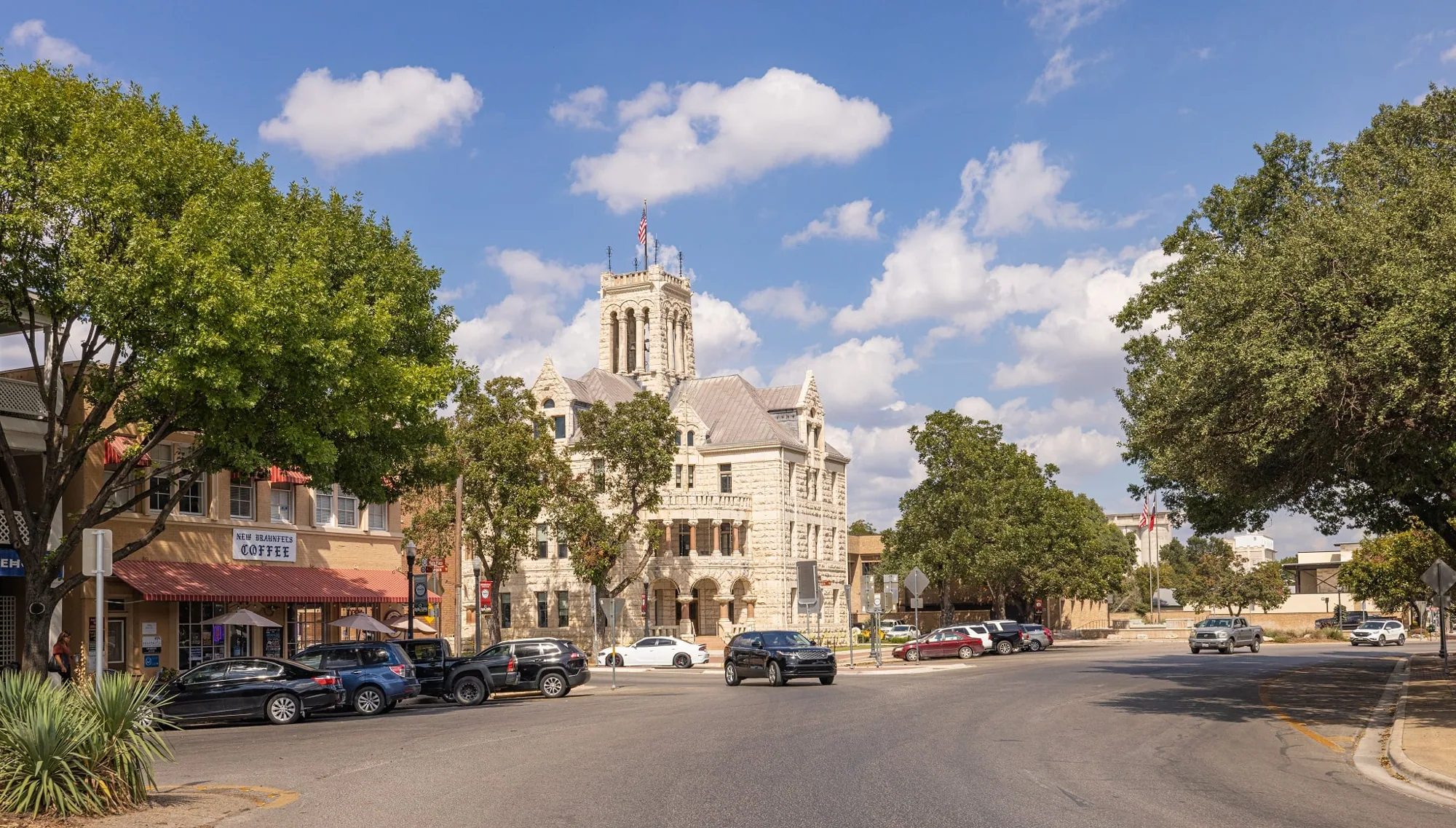
Commercial Modified Bitumen Roofing