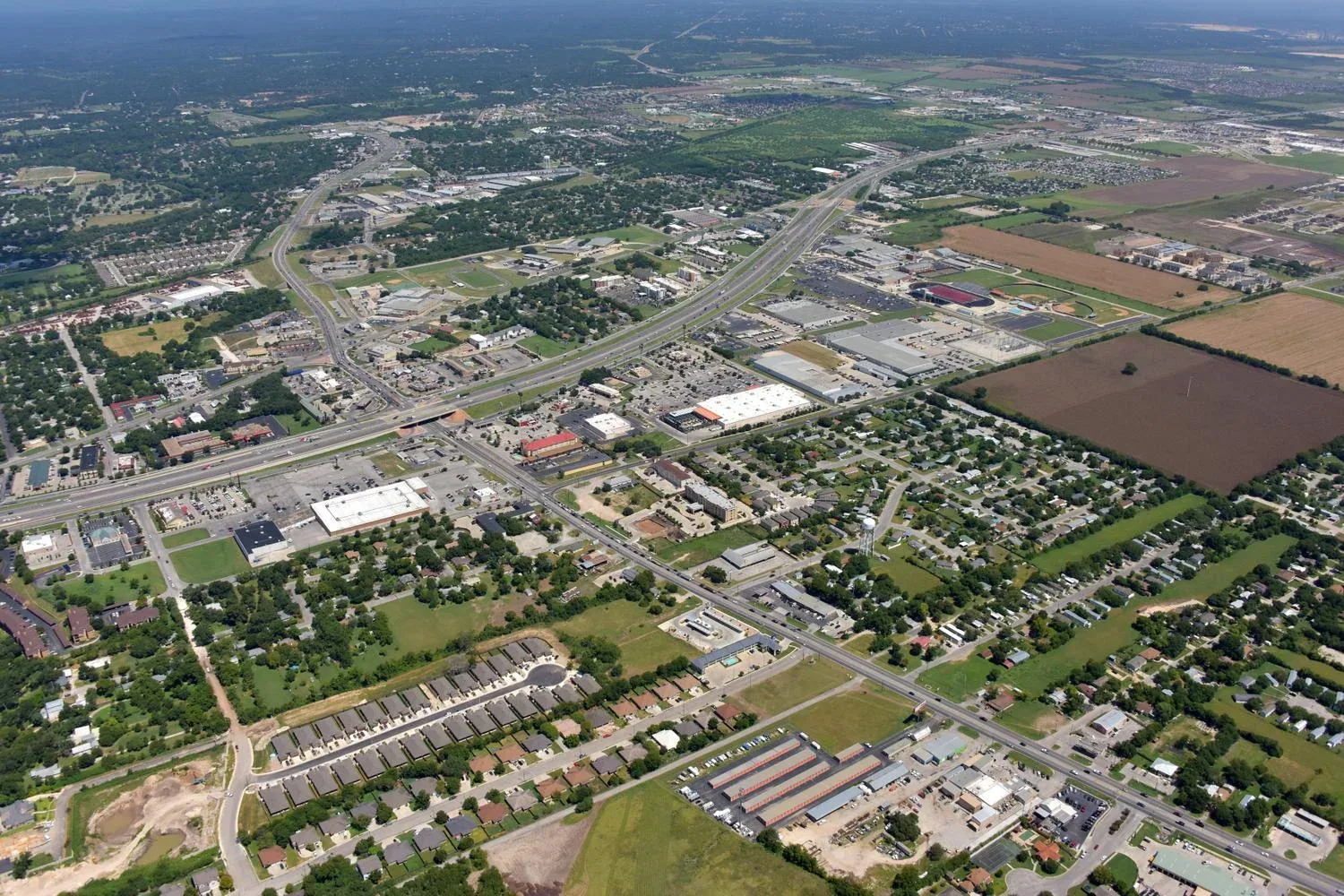
FM 725 Corridor
FM 725 is a useful geographic reference for commercial properties between New Braunfels and McQueeney. TxDOT describes a segment from US 81 in New Braunfels southeast to FM 78 at McQueeney, then onward toward Leissner Road, as well as a separate northwestern segment from McQueeney toward the Comal County line. The corridor helps orient a service request; a road name does not reveal a building's use, roof assembly or access requirements. We inspect the property the owner identifies before setting a repair boundary.
At the roof, we identify the membrane or metal, attachment, insulation, edge details and previous repairs. A patch over wet or detached material can leave the failure in place. Dry, secure layers may stay when a new transition can close against them. Our commercial roof inspection records the observed condition, and a written condition report connects it to the owner's repair, recover or replacement decision. Regional weather context helps with planning, but current surface and substrate readings control the daily release.
Trace the leak before setting the work boundary
A leak reported inside a building may enter well away from the ceiling mark. We trace the likely water path across seams, wall turns, penetrations, drains and edge metal before naming the failed connection. FM 725 is an orientation point for crews and managers moving through the New Braunfels to McQueeney area; it does not establish driveway access or a specific property's staging route. The owner confirms gate hours, loading limits, roof access and areas that must remain open.
Inspection separates visible damage from the layers beneath it. A punctured membrane over dry, attached insulation may support a local repair. Soft cover board, wet insulation or a failed curb receiver can widen the removal boundary. When surface clues do not resolve the assembly, we propose a controlled test opening, photograph the layers and close the roof to sound material. The inspection can also record adjacent conditions that affect the next capital decision, rather than treating each leak as an isolated patch.
Coordinate the phase with building operations
A corridor route connects communities, but each property's operating plan remains its own. Before work, we confirm the building contact, delivery windows, lift position and the path used by occupants or customers. If those conditions change between shifts, the crew needs a smaller release area that can be protected and closed that day. We note the boundary, material removed, temporary protection and follow-up work separately so the owner can distinguish an immediate stabilization from the permanent correction.
For an occupied building, we map the work zone and the activity below before opening the roof. A phased reroof should finish each section with a complete weather seal and safe access. For active entry, we first install an agreed temporary cover and protect the space below; the permanent repair receives a separate measured quantity after the roof assembly can be inspected. The findings let the owner weigh a bounded repair against wider work while keeping unexamined roof areas outside the priced scope.
Trace the water route instead of guessing
A stain below a roof does not identify whether water entered at the nearest penetration. We check seams, curbs, wall transitions, drain bowls and any previous repair. Then we trace the path toward the interior mark. A drain may pass water while its membrane clamp leaks. A closed lap may hide wet insulation. We record the suspected connection and confirm concealed conditions before extending removal. That keeps the scope narrow where material is sound and complete where the assembly has changed.
When the roof has multiple layers, the layer sequence affects finished height and the work at edges, drains and equipment. We inspect fasteners, substrate and board attachment before deciding whether a recover is viable. A roof recover leaves existing material in place only when the retained assembly can support the new work. If it cannot, our replacement scope identifies removal and reconstruction through each affected detail. The owner can compare the two paths with quantities tied to the actual opening and surrounding roof area.
Use roof conditions to set installation timing
Warm, humid conditions in the New Braunfels region can inform scheduling, but a general climate description is not a reading from a particular FM 725 roof. Before adhesive work, welding or coating, we check the actual surface, substrate and forecast. Moisture, temperature and wind can affect preparation, cure and securement. If the conditions do not support the specified connection, we document why the release changes and identify the next workable window.
A coating is not a shortcut over a failed base. We inspect adhesion, prior treatments, seams, drainage and the material below. A restoration coating remains an option when the assembly is suitable and defects can be corrected first. Wet or loose layers can require removal and replacement. We compare standing-seam metal and low-slope systems against the supporting structure, perimeter details and building use, not the road a property sits beside.
Carry the measured repair into closeout
Before work begins, we confirm the property contact, roof access, staging point and any restrictions on the route. We protect the area below and open only the section that can be rebuilt and closed within the planned work period. The scope identifies membrane or metal, insulation, cover board, flashing and edge work as separate components when their condition differs. If an opening uncovers damage beyond the allowance, we stop at a safe boundary and show the finding before proceeding with additional work.
FM 725 does not set a crew's arrival time or promise that a delivery can use a particular entrance. The property contact confirms current access, lift placement, overhead restrictions and any shared loading area before mobilization. We can then separate route planning from roof work: one record identifies how the crew reaches the safe staging point, while the scope names the exact roof zones, protection and closeout checks. If access changes, the owner sees the schedule and quantity affected before the phase is released.
At completion, we inspect the seam, flashing termination, perimeter and drainage path. Photographs capture the exposed layer and the completed detail. The repair record names the roof area, condition, quantity and date, so the next visit can tell whether the assembly changed. A condition report can help place remaining repairs beside a broader renewal phase. Owners with work in the New Braunfels area can also compare New Braunfels roof repair planning and San Marcos commercial roofing, while every proposed scope still follows the inspected building.
Commercial Roofing Questions
Does a building beside FM 725 need a particular roof system?
No. The road helps locate the service area but does not determine the roof assembly. We inspect the installed membrane or metal, attachment, insulation, drainage and perimeter details, then compare repair, recover and replacement against the actual condition.
How do you set the repair boundary for a leak along this corridor?
We compare the interior symptom with seams, penetrations, walls and drainage, then confirm concealed layers through a controlled opening when needed. The scope ends at sound material and includes a finished termination. Road proximity does not decide the removal area.
Can an operating building remain open during roof work?
We confirm the building schedule, occupied areas, delivery limits and access route with the responsible contact. The crew isolates the work zone and closes each section before release. The owner approves any changed access or operating window.
What can change a replacement allowance after removal starts?
Concealed deck damage, wet insulation, retained layers and perimeter elevations can change quantities. We document what an approved opening reveals and explain the effect before expanding the work. Drains, curbs and edge metal also need a finished-height check.
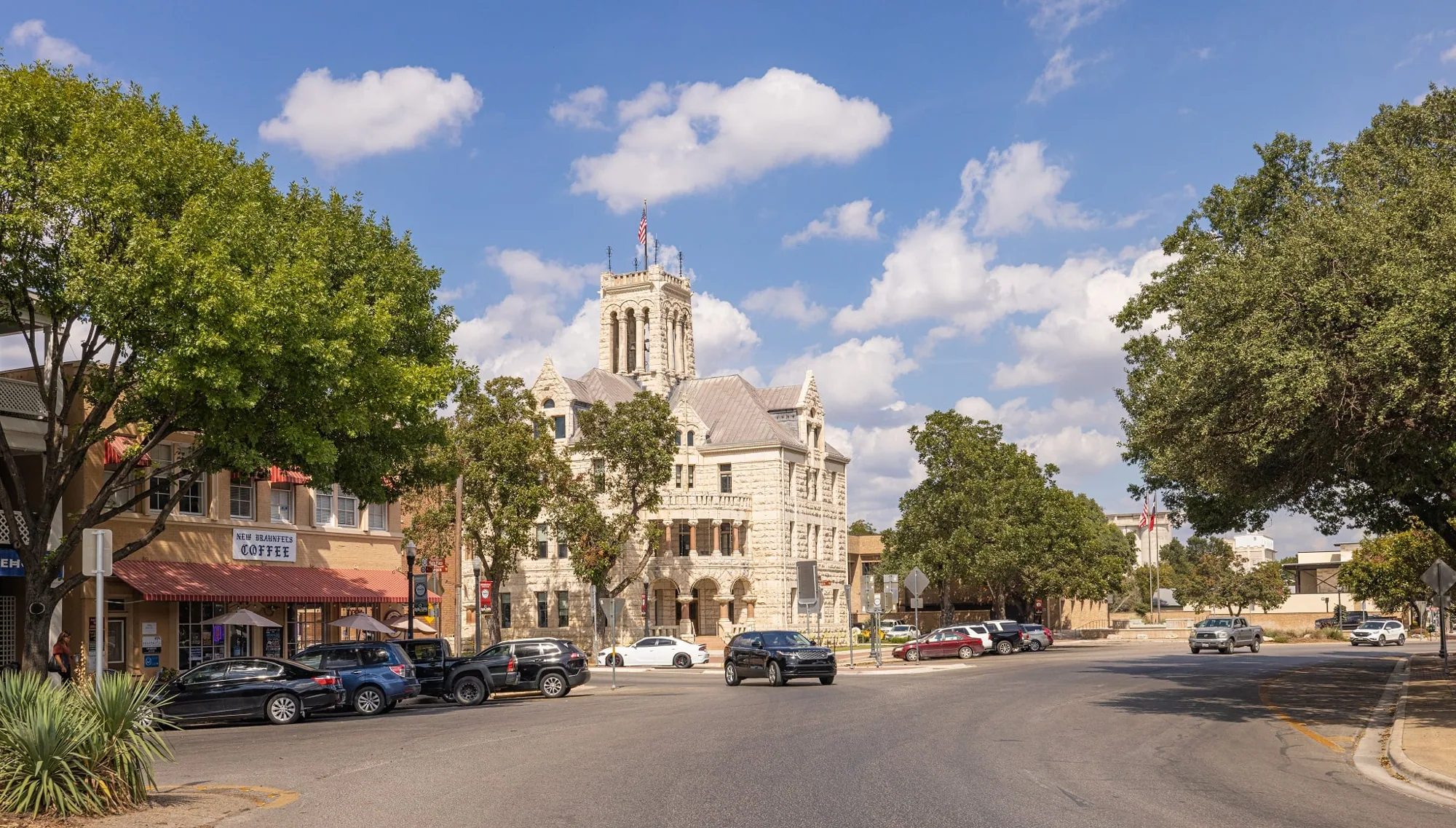
FM 725 Corridor