Commercial Roof Coating Restoration
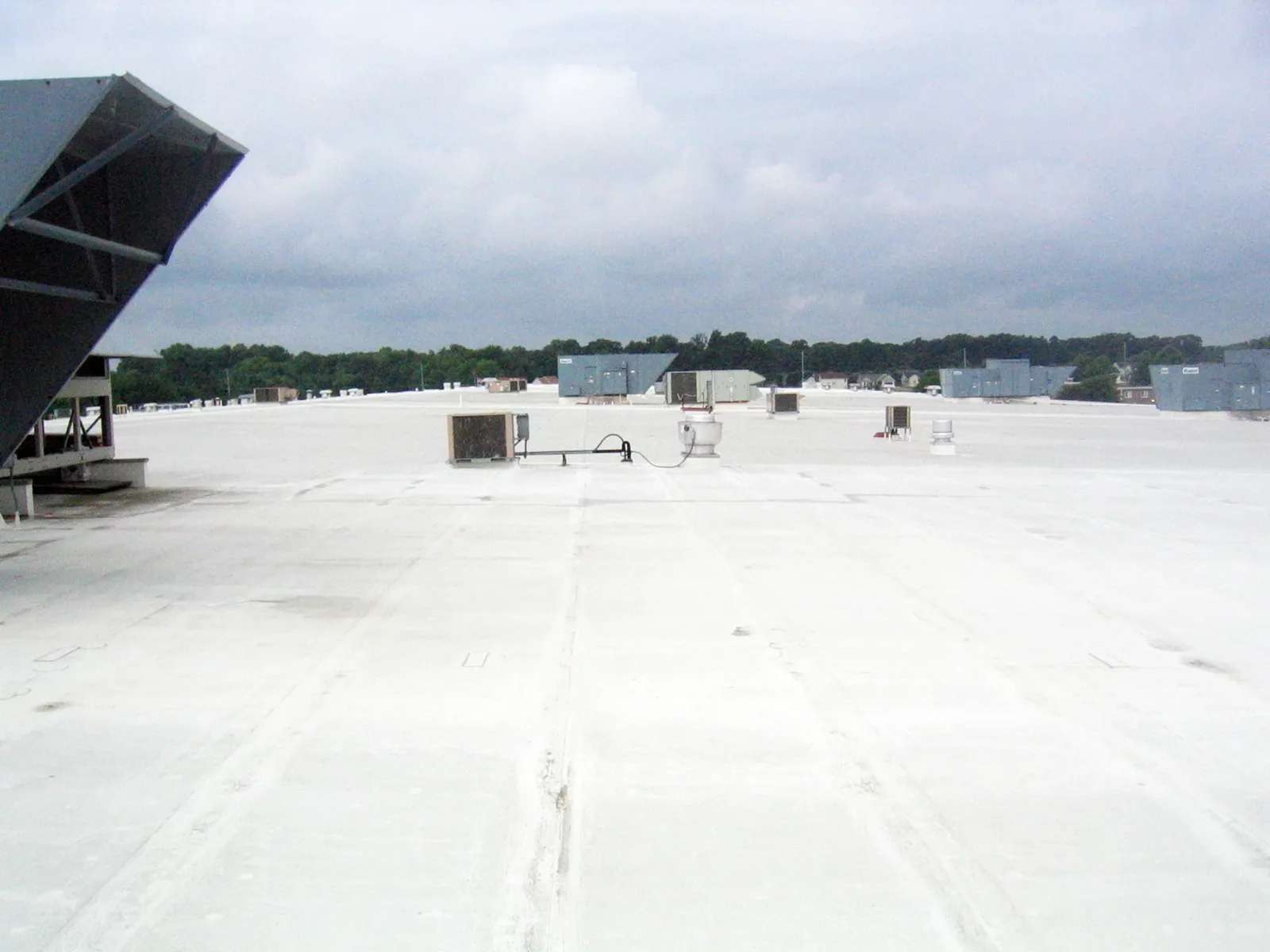
Exposed roofing along an equipment service route changes the restoration allowance. The worn material needs repair and suitable protection before the field coating is applied. Roof coating restoration in New Braunfels, TX, is useful where the existing assembly can support the proposed system. We assess that condition first. Wet layers, loose roofing and failed details need their own removal or rebuilding decision. A coating should restore suitable weather protection over a sound base.
Commercial Roofing New Braunfels evaluates existing membranes and metal roofing for restoration. We compare retained material, preparation and repair quantities with the work needed for renewal. Suitable coatings can form part of that comparison. They do not turn a weakened supporting assembly into a sound one. The investment should address the condition underneath the new surface as well as the appearance of the finished roof.
Establish what the coating would retain
Soft insulation beneath an intact membrane can make surface restoration the wrong immediate task. We examine the assembly and investigate suspected moisture where it affects eligibility. Loose attachment or deteriorated material needs correction. Existing coatings also require assessment for adhesion and compatibility. The proposed system must suit the surface that remains after preparation. That retained condition controls whether coating work offers a useful restoration path.
We use roof condition examination before restoration to separate localized repairs from larger assembly problems. A concentrated damaged area may need rebuilding while suitable material remains elsewhere. Broad deterioration can favor removal and replacement. The cost comparison includes those corrections, not just the material applied across the surface. Coating a roof with extensive unresolved defects can leave the owner funding a new finish while the principal roof condition remains unchanged.
Make the application surface suitable
Oil residue, dirt and loose coating can interfere with a new bond. We assess cleaning, removal and any primer requirement for the proposed system. Preparation needs to expose a suitable application surface without damaging the underlying roofing. Trial adhesion testing may help establish whether the method works. A failed test requires another preparation or system decision before the work proceeds across a larger area.
The same assessment checks material compatibility. A coating suitable for one membrane or existing finish may be unsuitable for another. We follow the selected system's preparation and application requirements. Where removal exposes degraded roofing, that material needs repair rather than another coat. The useful expenditure includes labor to reach a stable surface. Ignoring that work can distort the comparison between restoration and a new assembly over eligible existing layers.
Rebuild the connection before covering the field
An open seam needs a suitable repair before field coating. Loose flashing, split corners and deteriorated penetration details also need individual assessment. Reinforcement or a compatible repair material may be required by the restoration system. We evaluate the detail's movement and attachment as well as its exposed seal. Simply extending coating over an unstable connection leaves the underlying failure unresolved.
Metal panel roofs may need fastener, joint or flashing corrections before receiving a compatible coating system. Corrosion and movement deserve examination at each affected area. We separate that work from the surface application quantity. A local flashing correction can be more involved than the surrounding coating. The restoration proposal should make that difference clear so the owner knows which defects are being rebuilt and which suitable material is being retained.
Correct drainage before selecting the finish
Water retained in a depression places a different demand on coating than a freely draining field. We examine the slope, outlets and local connections. System suitability for anticipated water exposure needs review under its requirements. A coating cannot change the roof geometry. Where ponding results from damaged insulation or a poor sump, rebuilding that area may be necessary before a surface restoration becomes useful.
Material choice follows those conditions. Silicone coating systems and acrylic roof finishes have different application and exposure requirements. We compare them with the existing surface, drainage and operating use. Reflective appearance alone does not establish suitability. Preparation, cured thickness and detail treatment all affect the proposed system. The owner should compare a complete restoration assembly rather than select a coating solely by color or the name on its container.
Release restoration around occupied activity
Live Oak includes retail developments such as Live Oak Crossing and Gateway Plaza. For an occupied retail property, surface cleaning, material handling and detail repairs need practical work boundaries. We identify the activities that could affect entrances or rooftop equipment. The coating release should account for preparation and curing, not just the application period. A surface may need to remain clear of traffic while the selected system develops its required condition.
Restored buildings in the Gruene Historic District support shops, dining and hospitality. On a roof above hospitality use, access and sensitive occupied areas can influence the restoration sequence. We plan those tasks against the actual building. Properties in Live Oak may need a different release from a smaller occupied property in Gruene. Both still need a suitable base, sound connections and conditions appropriate to the coating material.
Compare restoration with the next renewal phase
Extensive preparation can become the principal restoration cost driver. So can wet-layer rebuilding, difficult access or complicated equipment flashing. We identify those quantities before comparing coating with recover or replacement. Retaining a suitable assembly may reduce removal work. Retaining damaged material merely leaves another expenditure pending beneath the new finish. The comparison should show the condition restored and the material that remains outside the correction.
Summer heat and humidity in Comal County affect preparation and application planning. Substrate moisture, temperature and expected weather need to satisfy the system requirements. We evaluate those conditions at the work area. The completed surface also needs appropriate examination and ongoing care. Future equipment changes can disturb the restoration, so their timing belongs in the investment comparison. A planned curb replacement may be worth completing before application rather than cutting into newly restored weather protection afterward.
Commercial Roofing Questions
Should a coating be considered where only the surface looks worn?
Examine the layers and connections before selecting restoration. Surface wear may coexist with suitable underlying material, or it may conceal moisture and weak attachment. We assess those conditions and the proposed coating's compatibility. A sound base with repairable details may support restoration. Broad assembly deterioration can make another renewal method more useful even where the visible surface is the main concern.
Why would a coating proposal include local tear-off?
Wet or damaged layers need rebuilding before they are covered. A localized removal can restore a suitable base while retaining eligible material around it. We define that area through examination rather than a surface estimate alone. The proposal should separate the rebuilding quantity from coating application so you can compare the complete restoration expenditure with a broader replacement scope.
Can coating compensate for a drain that leaves standing water?
Roof geometry and discharge need their own correction. Some systems permit particular water exposures under their requirements, but that does not improve the slope or repair a damaged outlet. We examine the drainage condition before selecting a finish. A sump rebuild or another local correction may be needed. Material selection then follows the exposure that remains after suitable drainage work.
How does frequent equipment servicing affect a restored surface?
Traffic can wear or disturb coating at service routes and equipment connections. We assess the needed access and suitable protection before application. The finished system must remain compatible with maintenance activity and future repairs. A traffic route can need its own detail rather than more coating alone. Planned equipment changes also influence whether restoration should proceed before or after those connections are rebuilt.
What should change if the adhesion test is unsuccessful?
Preparation, primer choice or the restoration system needs reassessment. We examine the test area and the material remaining beneath it. Additional cleaning or removal may provide a suitable surface; incompatible or degraded material may require a different renewal method. Extending the same application across the roof would leave that unresolved bond condition in a much larger work quantity.
Commercial Roof Coating Restoration