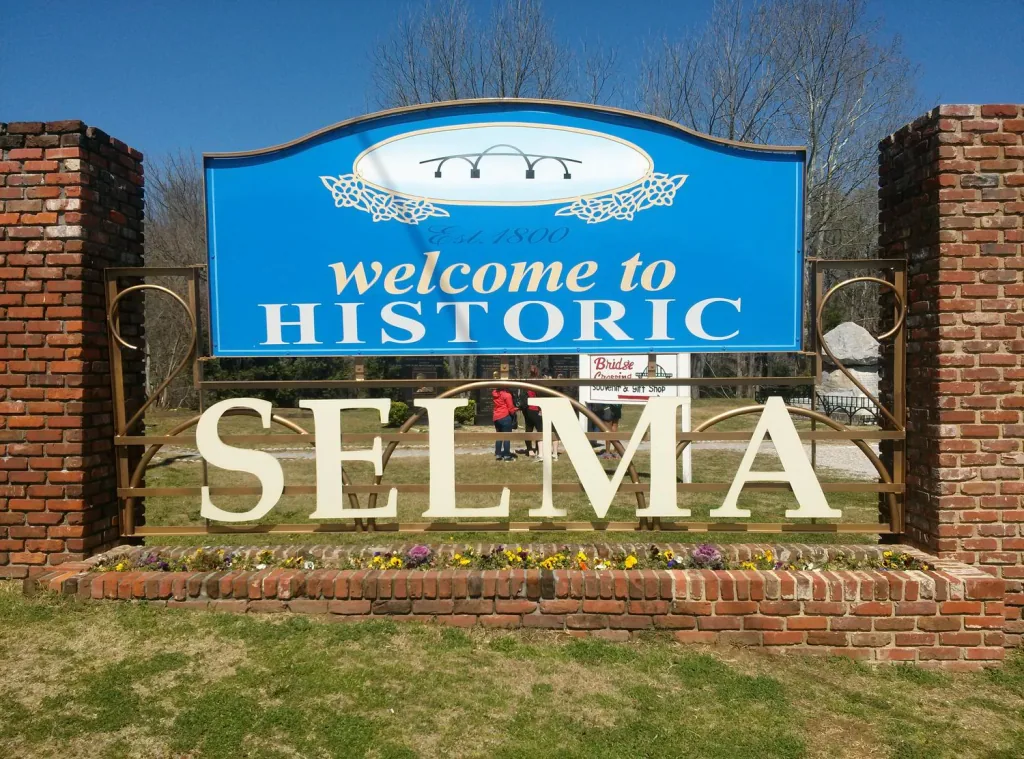
Selma
A roof leak beside a mechanical unit can leave two separate questions: whether the curb has failed and whether the adjoining membrane remains worth keeping. In Selma, Interstate 35 forms a growth axis through the city, and Retama Park horse-racing facilities are another named local landmark. Neither identifies the assembly at a separate commercial property. We inspect the roof under review, trace the entry route and measure the layer that needs correction before comparing repair with a larger renewal.
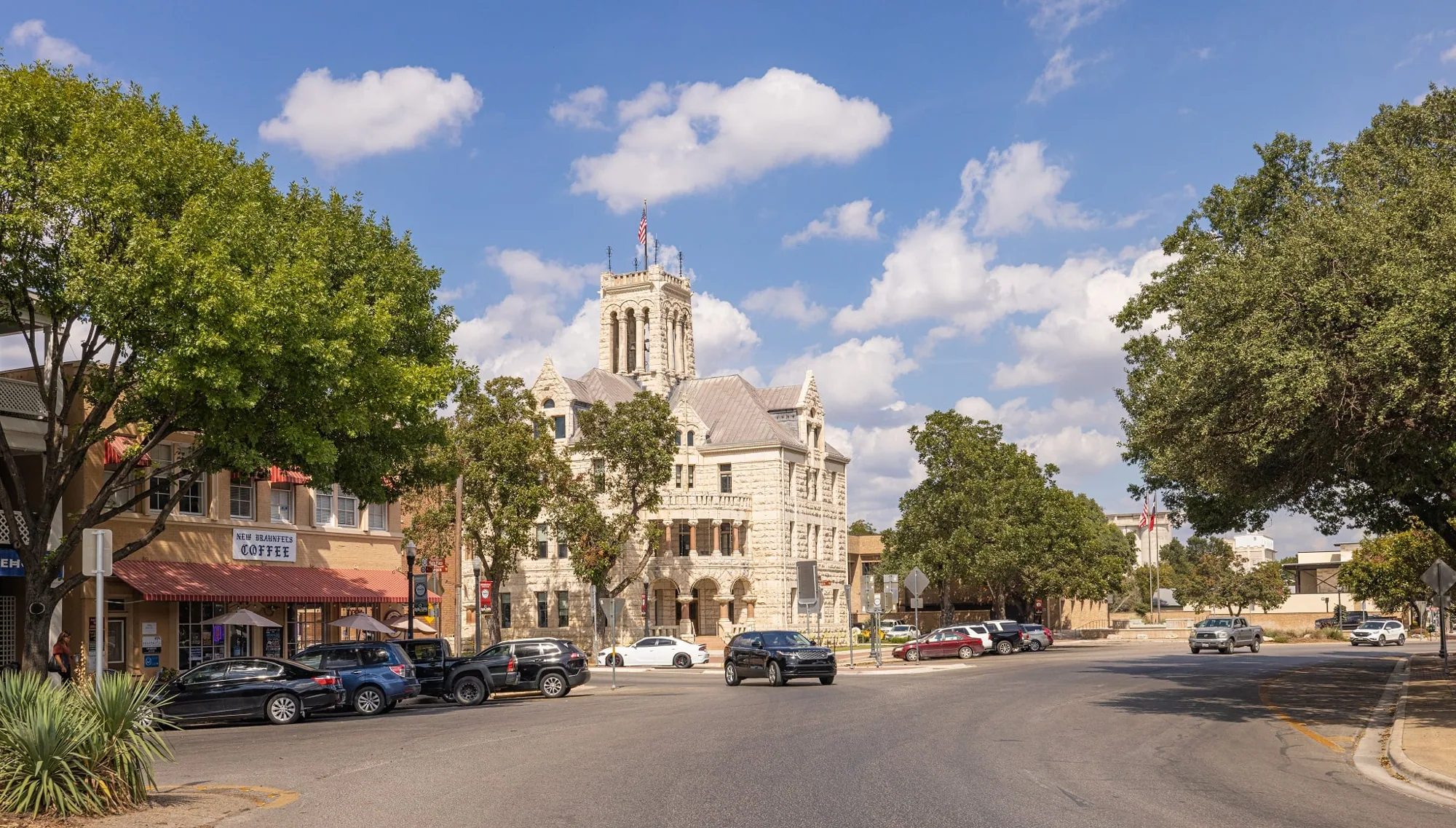
New Braunfels lies approximately thirteen miles northeast of Selma. That distance places the city within the nearby New Braunfels region; each property still needs its own inspection and access plan. We check drainage, penetrations, seams, edges and previous repairs, then document what remains outside the work boundary. New Braunfels' hot, humid summers affect planning across the New Braunfels region. At the actual roof, surface moisture and installation conditions determine whether a weld, adhesive or coating can be released on schedule.
Inspect the roof beyond the reported room
The closest roof detail to an interior stain may not be the entry. Water can move across the deck, follow a seam or travel beneath insulation before it reaches a ceiling. We begin with the affected interior zone and inspect likely routes uphill, around curbs and through the drainage area. A curb flashing can lift while its equipment remains in service. A drain connection can leak beneath a clear strainer. We note each observation and determine which one changes the repair quantity.
The I-35 corridor helps describe Selma's commercial geography, but a highway does not set roof orientation or building access. We confirm staging and work routes with the owner. Where the lower condition cannot be seen, we make a test opening and record the layer sequence. Dry, stable material can remain if it can receive the new work. Soft board, wet insulation or a failed receiver changes the boundary. A commercial inspection documents the finding, and a condition report can present immediate repairs beside deferred items with photographs and roof-zone references.
Keep local activity separate from access facts
Retama Park is a horse-racing facility in Selma, but its presence says nothing about another property’s condition or roofing schedule. The owner of the building under review provides operating hours, delivery activity and access rules. We ask where equipment can be lifted, which entrances must remain open and what interior areas require protection. Work may need to avoid a production period, a public-facing service window or a tenant move. We make that sequence explicit before opening the roof.
For occupied buildings, a roof section should end at a complete weather boundary. Our occupied-building plan divides work by drain area, edge or other section that can be closed within the shift. If active water needs immediate control, a separate emergency response protects the interior while we verify the permanent repair. We record the temporary work and return date so the owner can distinguish stabilization from the durable correction. Any material change discovered after opening is photographed and presented before the next section proceeds.
Match the correction to the installed system
Repair material has to meet the surface already installed. On a thermoplastic sheet, contamination or an incompatible patch can prevent a sound weld. Rubber membrane needs suitable cleaning, primer and seam materials. Metal panels move with temperature and need secure clips, fasteners and correctly detailed end laps. We identify the existing system, inspect the receiving surface and rebuild the affected interface rather than layer a new material over an unresolved failure.
When removal is under consideration, we check the deck, insulation, number of existing layers, perimeter height and drainage. A recover option may keep stable material when the assembly can support another layer and finished transitions. A replacement comparison names tear-off, deck correction, insulation and new terminations where the retained roof is unsuitable. We measure each drain, curb and wall edge before setting a finished level. That prevents a new assembly from creating a low drain or a flashing too short to close properly.
Follow the discharge route to its endpoint
Selma's corridor location does not alter the need to inspect each outlet from field to discharge. We check the roof slope, sump, drain bowl, strainer, scupper and downspout transition. Debris can slow the flow, but the bowl flange may be the actual leak. A new membrane without a corrected clamp leaves the pathway in place. Our drainage repair includes the roof-to-outlet detail that is part of the condition. Where a surface depression holds water, we assess whether slope correction belongs in the scope.
New Braunfels' humid summer climate is a scheduling consideration, not a claim that a Selma roof has moisture. We verify substrate conditions before installation and test suspect areas when the visual inspection warrants it. Coating restoration is considered only on a compatible, dry and stable surface. It will not replace insulation or correct a sagging deck. If preparation and application weather are outside the system requirements, we adjust the sequence and protect the opening until a complete installation can proceed.
Set a repair boundary the owner can fund
Our scope distinguishes a local failure from an assembly problem. If one seam has separated and the material around it is secure, the repair may remain limited. If test openings show broad wet insulation or repeated attachment failure, a broader phase can reduce the need for repeated mobilizations. We compare options using the same roof zones and identify the cost drivers: removal depth, substrate work, access, equipment relocation, staging and protection below. Timing follows the chosen quantity and release window.
Closeout records the material replaced, the location of the repair and any condition that remains. We inspect laps, curbs, edges and drains before removing protection. A photo log and roof asset record help the next inspection identify a condition change. Owners managing sites along the corridor can compare New Braunfels roof work with Cibolo commercial roofing, while keeping each building's assembly and operating facts separate. Share the affected zone, prior repairs and next decision date so the inspection has a clear purpose.
Commercial Roofing Questions
Does the I-35 corridor mean a Selma roof has metal roofing?
No. The corridor is a location fact, not a roof-system inventory. We inspect the property and identify its installed membrane or metal before selecting repair material. A metal panel needs a different detail from a TPO or rubber sheet. The opening and the receiving surface establish which connection can be rebuilt.
Can a roof project be planned around activity at Retama Park?
Retama Park is a Selma landmark, but its schedule does not establish another owner's operating hours or access. We coordinate only with the operator of the building in scope. The owner provides work windows, staging limits and areas that must stay open. We set roof sections and interior protection to that property's conditions.
What findings make a Selma roof repair too broad for a patch?
We map each confirmed defect and note the material exposed at any approved opening. If failures remain isolated, the scope can state a specific repair boundary. If they recur across multiple roof zones, the estimate separates a larger replacement phase and explains which layers must be removed.
What does the owner receive after a Selma roof repair?
The closeout identifies the building, affected zone, material installed, quantity and date. Photographs show the completed seam, flashing and drainage detail. Any condition left outside the approved boundary is listed with a next review date. That record gives the next inspection a specific comparison point.
Selma