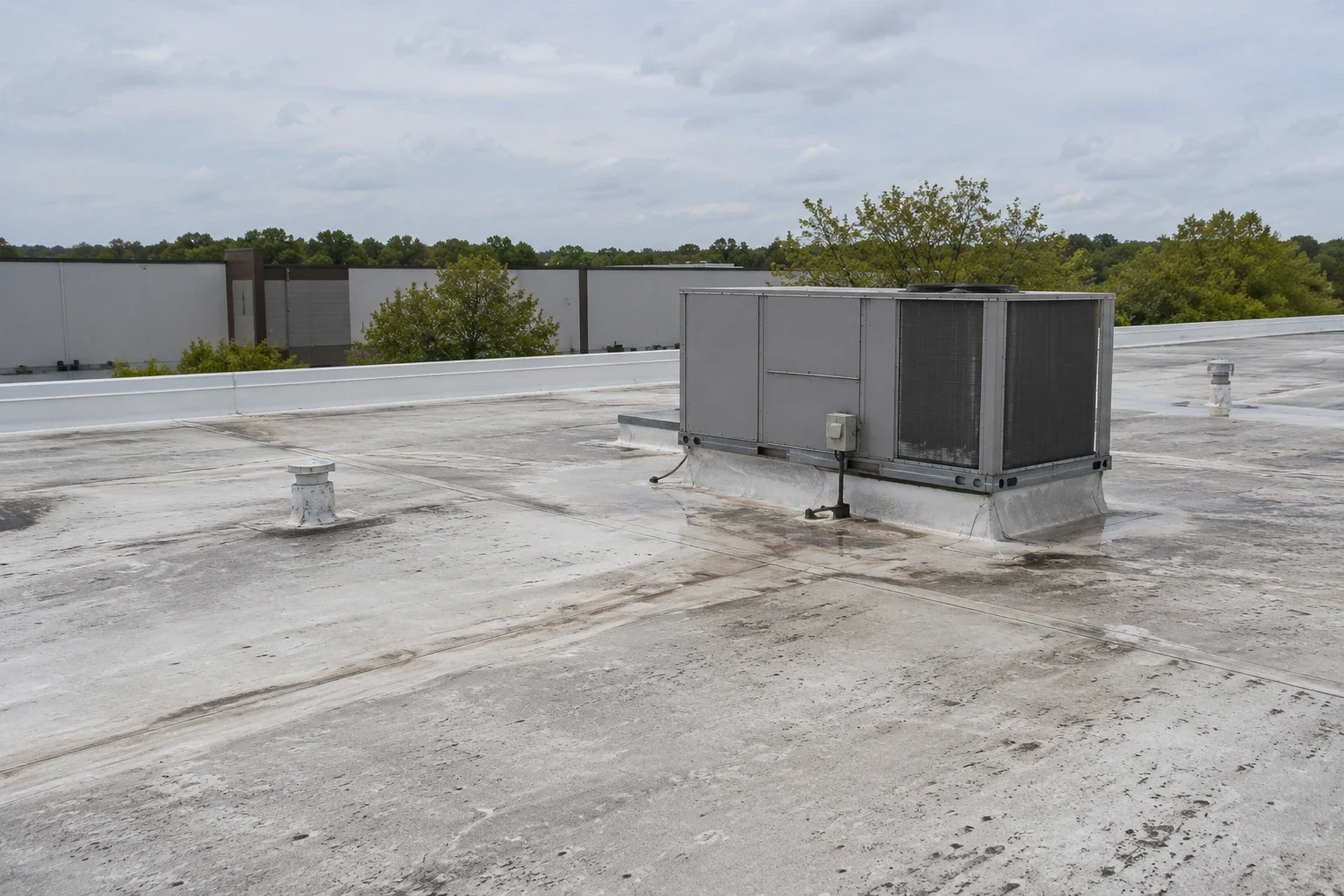
Distribution Center Roofing
A removal route crossing a working loading bay can move the roof release into another operating period. The handling quantity and inventory activity need one practical comparison. Distribution center roofing in New Braunfels, TX, connects those access findings with the assembly requiring work. We assess the damaged area and the material that can remain. The owner can then fund a suitable phase without leaving either roof protection or product movement unresolved.
Commercial Roofing New Braunfels repairs and renews roofs above distribution and fulfillment use. Loading, storage and rooftop equipment can create different work boundaries within one building. We examine those conditions before selecting a removal sequence. A local correction may have a narrow material quantity but a significant operating release. A broader phase needs a workable closure and handling plan. Both should be compared against the actual roof condition.
Place the removal route beside the operating release
Lift positions, debris collection and deliveries for new material can affect the area below the roof. We assess exterior access and discuss a suitable handling boundary with the building operator. An active loading route may need another position or work period. The roof scope still has to reach the material requiring removal. Changing the handling plan should not leave damaged layers outside the rebuilding boundary merely to preserve an easier exterior approach.
Adjoining warehouse storage areas may have different protection needs from loading or processing space. We identify the activity beneath the proposed opening and the practical release it needs. Suitable separation can keep unaffected operations distinct where conditions allow. The owner should see the added handling and temporary transition work a narrower phase creates. Those quantities are part of the investment, rather than an unexamined promise that smaller openings always produce the better sequence.
Define the affected layers before opening the field
Water entry through a small seam can affect insulation beyond the visible opening. We investigate suspect areas and examine attachment and supporting construction. A local membrane repair may be appropriate on sound material. Damaged board or deck can require a larger rebuilding quantity. The roof boundary follows those findings, with appropriate protection for the inventory or equipment beneath the affected area.
We connect investigation of concealed moisture with the removal decision where it would change the scope. The method must suit the roof and available conditions, with physical confirmation of suspect material. The owner can compare local rebuilding with wider renewal from that assessment. A surface closure reduces entry at the repaired point but does not rebuild damaged hidden layers. Those material quantities should remain clear before work approval.
Close each phase with useful weather protection
A distribution operation can have limited tolerance for exposure over stored products or processing equipment. We assess the temporary closure needed at each release. The opening quantity should fit a practical path to dry-in under the available conditions. A larger exposed area can require more protection and operating separation. A smaller phase can add handling and transitions. The useful sequence balances those drivers with the assembly's rebuilding needs.
For renewal while the building remains in use, equipment dependencies also need attention. Where manufacturing activity shares the operation, an interruption can affect areas beyond the immediate roof opening. We identify the specific connection and coordinate the needed release. The roofing work should restore suitable weather protection at each completed boundary rather than leave a temporary edge without a defined purpose or follow-up.
Keep drains and service paths accessible
Rooftop units, supports and service routes can complicate drainage or expose the surface to wear. We inspect outlets and the approach to them. A retained low area or blocked discharge can affect repaired roofing beside it. The work may need a local geometry correction as well as membrane rebuilding. Future maintenance should still reach the drain and adjoining detail after the renewal is completed.
We assess drainage repairs for the operating roof alongside the proposed surface. A PVC membrane assembly is one option where the selected construction and exposure suit it. Other systems have their own support and detail needs. The owner should compare complete assemblies rather than select a finish without the outlet, curb and service-path quantities needed to keep that roof useful.
Set the release for the Interstate corridor property
Schertz has Interstate 35 access from exits 174 through 180. For a property along that corridor, material delivery and exterior roof handling need an arrangement appropriate to the actual building approach. We examine that access before selecting a work phase. Roof removal and incoming inventory should not rely on an unresolved shared handling space. The owner needs to see which roof tasks require a different release or protection boundary.
San Marcos has manufacturing and light industrial activity as part of its building mix. A distribution property in Schertz can have different assembly and operating conditions from one in San Marcos. We assess roof layers, equipment and the work area beneath each proposed opening. The useful regional program keeps those quantities specific. Each building receives its own repair or renewal comparison tied to the material that remains and the release needed for rebuilding.
Compare the phase cost with the retained roof
Repeated local failures across unsuitable material can make another narrow repair phase less useful. We examine the field between defects and what each correction would leave in service. Sound construction may support defined repairs. Broad deterioration or moisture can favor renewal. The comparison includes temporary closures, access and damaged-layer rebuilding, not only the main surface installation.
The distribution roof renewal decision also needs to account for planned equipment or operating changes. Related interfaces may be worth rebuilding before the new roof closes them. Hot, humid summer weather in Comal County affects preparation and usable work conditions. We assess those requirements at the release. Your next investment should provide suitable protection over the distribution use, with the immediate phase and the remaining assembly work clearly separated.
Commercial Roofing Questions
Should a roof phase be delayed if the removal route crosses active loading?
Assess another handling position or operating window before setting the release. We coordinate that access with the material boundary needing rebuilding. A different route may be practical, or the phase may need another sequence. The owner should see the handling and protection quantities created by the choice. Preserving loading should not require leaving damaged roof material unresolved inside the planned correction.
Can warehouse storage stay separate from the affected loading area?
Suitable operating and hazard boundaries may allow unaffected space to remain in use. We examine the roof opening and protection needed beneath it. Equipment or inventory movement can connect areas that appear separate on a floor plan. The release should account for those actual dependencies. A narrow roof phase still needs a suitable closure and safe handling arrangement before continued occupation is planned.
What if a small leak has wet insulation over a wider stock area?
The damaged-layer boundary needs examination independently of the surface entry. We define removal and rebuilding from that material condition. Stored products may need protection or movement within the resulting work area. A membrane patch can address entry while leaving wet insulation unresolved. The scope should separate immediate control from the assembly correction needed for suitable continued protection.
How do temporary closures affect the investment comparison?
Each phased opening needs a workable transition and weather-protection method. Smaller releases can add those quantities, while larger ones may require more operating separation. We compare the complete handling and rebuilding effort. The useful sequence serves the roof's condition and the activity below it, rather than choose a phase size solely from the surface area that can be opened.
When should a distribution roof move from repairs to renewal?
Inspect the construction between recurring failures and identify what repairs would retain. Suitable material can support local corrections and care. Broad moisture, deterioration or weak attachment can favor a wider phase. We connect those findings with the operating release. The owner should compare complete work quantities and remaining assembly condition rather than treat the next leak as an isolated funding decision.

Distribution Center Roofing