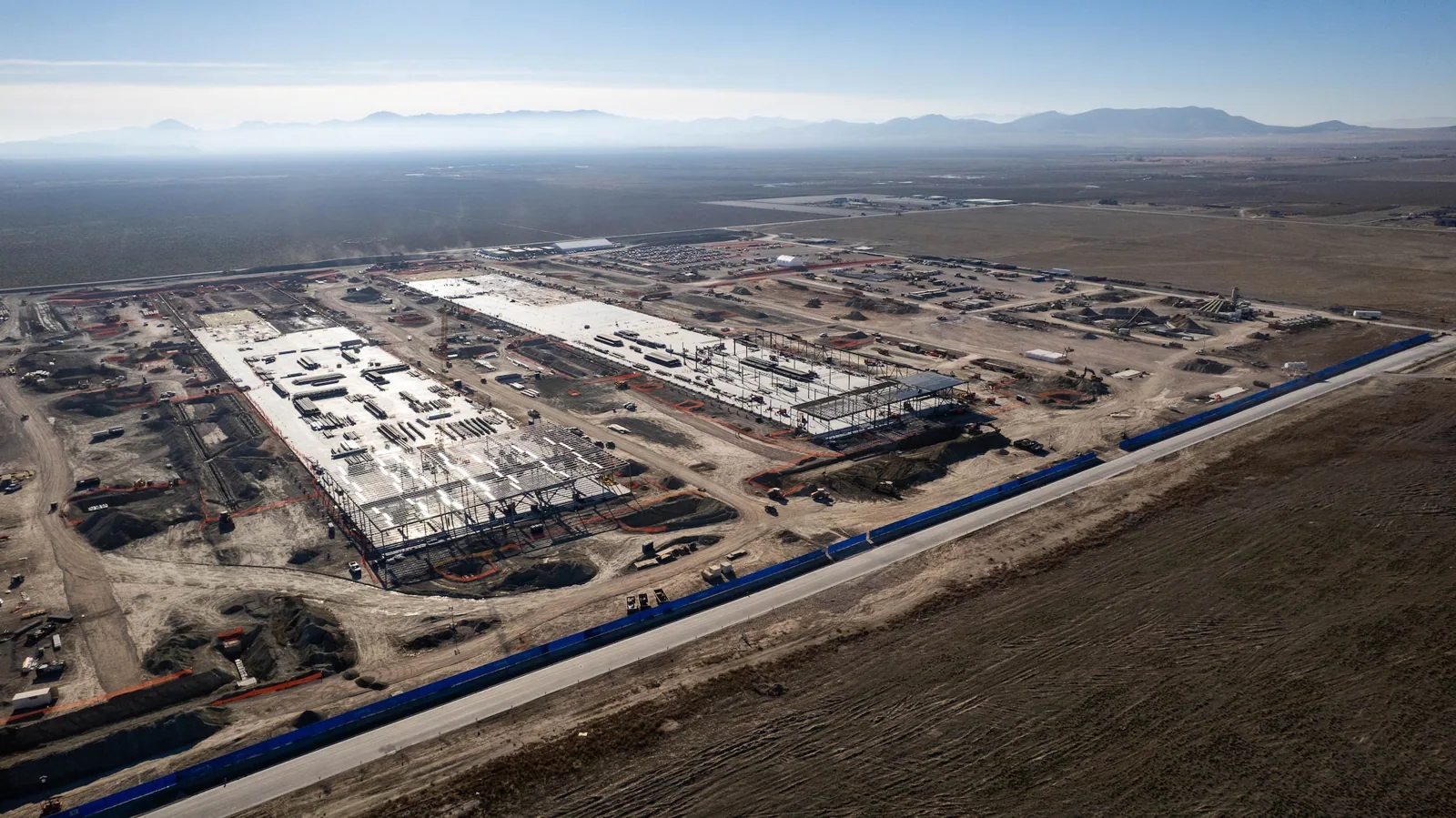
Data Center Roofing
A membrane puncture beside a protected mechanical intake needs a closure method that respects both the roof assembly and the operating equipment. The repair choice includes more than covering the opening. Data center roofing in New Braunfels, TX, connects that finding with material compatibility, intake protection and the next permanent correction. We examine the damaged layers and work access. The owner can then separate immediate weather control from the rebuilding quantity needed at that particular interface.
Commercial Roofing New Braunfels inspects, repairs and renews commercial roofs over equipment-dependent uses. Data operations require a suitable work release for the area under repair. We coordinate roofing tasks with the building operator's mechanical and operating requirements. The roof still needs complete material preparation and closure. A restricted work position can change the sequence or access arrangement without changing the need to restore the affected assembly properly.
Close the opening with the intake arrangement in view
A puncture can have torn edges, damaged support or contamination around the immediate opening. We assess those conditions before choosing the compatible repair. The method must suit the existing membrane and the available work space. Temporary weather control may be needed while a permanent material correction is arranged. That temporary step should have a defined purpose and a remaining repair quantity, rather than become an unexamined substitute for rebuilding damaged layers.
We connect targeted water-entry repairs with the equipment restrictions established for the work area. Intake protection and material-handling requirements need coordination with the appropriate building personnel. We examine the roof connection directly rather than rely on the interior symptom alone. Where immediate protection is needed, our emergency roofing response remains available through nights, weekends and holidays. The permanent correction follows the actual material and interface assessment.
Keep the equipment connection accessible for repair
Mechanical housings, conduits and supports can limit access to adjoining seams or flashing. We examine the space needed to prepare and finish the affected detail. A repair may require a coordinated equipment release or another safe access position. The roof scope should identify that requirement before installation begins. An inaccessible remaining edge can leave the connection incomplete even where the central patch appears finished.
We assess roofing at equipment supports and curbs with the actual assembly. Appropriate design review is needed where a proposed alteration changes support loads or geometry. Weatherproofing has its own attachment, compatibility and flashing requirements. Equipment should not conceal that work before completion. The owner can compare the interface rebuilding quantity with the planned mechanical change and avoid leaving a new unit above an unresolved roof connection.
Confirm the receiving layers beneath the visible defect
A puncture may be limited to the membrane, or water and impact may have affected lower construction. We examine suspect material where the result changes repair extent. Insulation and cover board should provide suitable support for the selected correction. Damaged layers need measured removal and rebuilding. Suitable material outside that boundary may remain. The proposal should distinguish the surface closure from the assembly quantity it will retain.
A TPO membrane repair or renewal requires suitable preparation and welded connections where that system is selected. Other materials need their own compatible details. The choice follows the existing construction and the planned assembly, not merely the visible sheet color. We assess attachment and the receiving surface before retention. A new patch should connect to useful material rather than bridge a deteriorated edge or damaged supporting area.
Separate the work release from the wider operating area
Equipment dependencies can extend beyond the room beneath a roof opening. We identify the affected roof and coordinate its release with the building operator. Protection, handling and permitted work methods should be established for that area. The roof removal boundary still follows the material requiring correction. The operating arrangement and the assembly quantity need to fit one workable sequence before removal is approved.
For roof renewal above continuing operations, phased work can reduce the released area where suitable. Each phase also creates transitions, handling and closure tasks. A narrower opening is useful only if it reaches the damaged material and can be completed correctly. Adjoining office space or production areas may have different dependencies. We assess those connected uses rather than assume that a floor-plan boundary is enough to separate the work.
Assess service access within the regional building use
Its announced expansion remains a planned addition for autonomous mobility technology. For equipment-dependent building use, planned alterations can raise roof-interface decisions before the new arrangement closes access. We examine the actual junction and retained layers. The useful investment identifies the work needed for that change and separates it from unrelated deterioration elsewhere on the roof.
San Marcos combines light industrial activity with manufacturing and educational uses. For a roof in Live Oak or San Marcos, the building's equipment and operating conditions establish the required release. We assess the material boundary at that property. The repair should restore its assembly with suitable equipment access, not rely on a common regional operating assumption.
Compare the immediate correction with planned equipment work
A defined puncture repair can be useful on otherwise suitable roofing. Repeated openings, weak attachment or wider moisture can change the renewal decision. We examine the material between defects and identify what another local correction would leave in service. A planned equipment replacement may also make an interface worth rebuilding now. The owner should see those distinct work quantities before comparing funding options.
We use building-specific roof condition findings to connect the repair boundary with retained material and subsequent work. Photographs and the identified construction make the affected interface clear. The next allocation should include preparation, lower-layer rebuilding and the operating release required for completion. Suitable field roofing can remain where the assembly allows, while the damaged connection receives a complete correction. That comparison keeps immediate protection and later renewal tied to actual roof work.
Commercial Roofing Questions
Can a puncture beside an intake receive temporary closure before permanent repair?
A suitable temporary method may control entry while the material and operating requirements are assessed. We examine compatibility and the work position before choosing it. Intake protection must be coordinated with the building operator. The temporary step should leave a defined permanent repair quantity and a completion sequence. Its purpose is immediate weather protection, not concealment of damaged support or an unfinished connection.
What if equipment prevents access to one side of the repair?
Establish another safe work position or coordinate the necessary equipment release. We need suitable access to prepare and complete the whole connection. A patch finished on only its accessible sides leaves the weatherproofing problem unresolved. The owner should compare the access requirement with planned mechanical work so the roof correction can be completed before the equipment again limits the detail.
Does a small puncture require removal of the insulation beneath it?
The lower material's condition determines that quantity. We assess suspected moisture or impact damage where it affects retention. Sound layers may remain if they suit the selected assembly. Wet, fractured or compressed material can need rebuilding beyond the visible opening. The useful repair boundary separates the membrane damage from concealed construction requiring its own correction.
How should planned mechanical replacement affect the next roof allocation?
Compare the changed interface with the current field condition. Preparing the roof connection during related work may avoid reopening suitable new material. We identify support, flashing and access requirements before the equipment sequence is set. Unrelated field deterioration still needs assessment. The investment should resolve the actual shared junction rather than combine work solely because both tasks involve the same roof.
When does repeated localized damage justify a larger renewal phase?
Examine the material between the defects and the operating causes of the damage. Suitable construction can support local repair and improved service protection. Broad moisture, deteriorated support or weak attachment can favor renewal. We distinguish those findings before recommending the removal extent. The owner can compare complete rebuilding quantities with the equipment release each choice requires.

Data Center Roofing