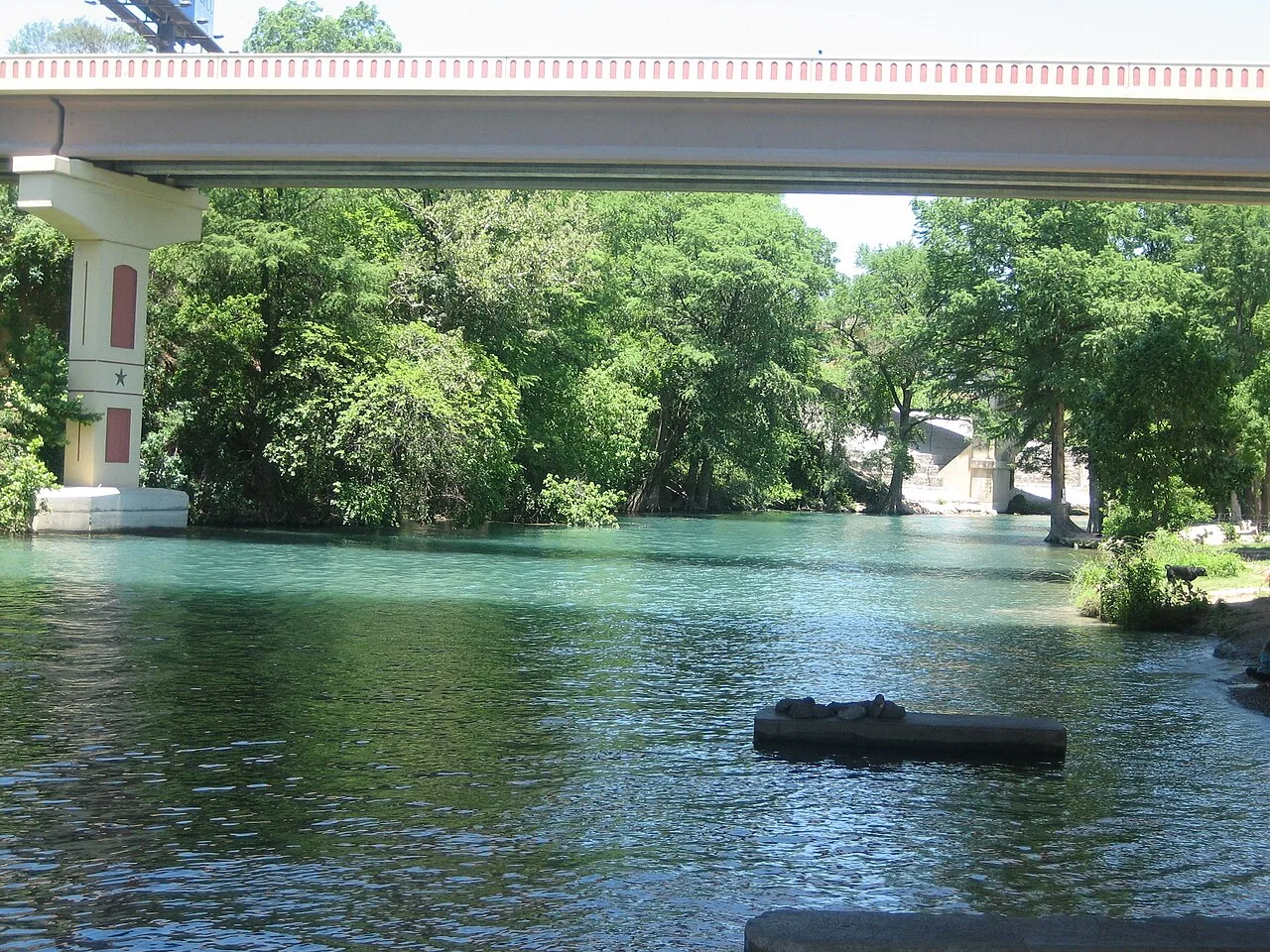
Canyon Lake
A detached edge metal joint can let water into insulation long before a ceiling shows a stain. We inspect the edge and trace the assembly before setting the repair quantity. Canyon Lake is a census-designated community north-northwest of New Braunfels. Commercial and residential development around the reservoir followed its completion in 1964, and the community includes Sattler and Startzville. Those facts describe the area, not the construction at an individual commercial building.
We confirm the requested property and identify its membrane or metal roof, drains, penetrations and earlier corrections. A patch can stay local if sound material surrounds the failure. If layers below the field have changed, the repair must include enough area to close on stable material. Our commercial roof inspection records that boundary. A condition report lets the owner compare immediate work with a larger renewal phase using measured quantities.
Tie local growth context to the building requested
Commercial and residential development around Canyon Lake followed completion of the reservoir. Reservoir-era development explains why the community contains buildings from different periods; only records and a roof walk can identify the assembly at the commercial property under review. We use owner records and a roof walk to identify the assembly. Seams, curb flashings, edge metal, drains and parapets show where water can cross the weather boundary. A prior repair is checked at its perimeter because the receiving material can fail even when the patch remains intact.
Sattler and Startzville are communities within Canyon Lake. A service visit still starts with the address and operator's access plan. We confirm roof access, staging, interior protection and any equipment that must stay active. Comal Independent School District serves the area, but that fact does not authorize entry or describe a school's roof. We keep building-level findings separate. If a project includes more than one facility, each receives its own system identification, moisture map and release sequence before pricing is combined.
Choose openings that resolve the hidden layer
A thermal pattern may help identify where moisture could be held beneath the membrane, but it does not name the layer to remove. We compare the pattern with seams, penetrations and interior marks, then request approval for test openings. A cut shows whether insulation, cover board and deck remain dry and stable. We photograph the assembly and mark the edge. Those observations set a repair boundary the owner can review before more material is removed.
Comal County moves from hot, humid summers to mild, warm winters. We check the actual surface and forecast before welding, adhering or coating. The time needed for preparation can change if moisture or contamination remains. Thermal scanning can narrow where to investigate when roof construction and weather provide a useful contrast; confirm suspected moisture with appropriate openings. If the opening shows a broad wet area, we measure it and compare localized work with a larger removal instead of extending a patch by guess.
Keep drainage clear through each finished layer
Every roof needs a continuous path from field slope to discharge. We inspect drain bowls, strainers, clamp rings, scuppers, overflow points and downspout transitions. A blocked outlet can load a seam with standing water. A clean strainer cannot correct a flange that has separated from the membrane. We trace the connection and include the outlet perimeter when it belongs in the measured work. Drain and scupper repair may rebuild that interface without changing the full field assembly.
Finished elevation can change when a new cover board or insulation layer is added. We measure curb height, edge metal and drain depth before comparing recover with removal. The new surface must drain and connect to adjacent walls and equipment. A coating does not fix a low area or a damaged outlet. It can enter a separate restoration comparison if the retained substrate is compatible, dry and stable. The scope names each edge and transition so the owner can see how water leaves the roof after work is complete.
Set a closure point before the crew opens the roof
Work timing follows the area that can be opened and closed within a shift. We confirm occupied rooms, access restrictions, equipment shutdowns, material staging and the release time with the operator. A roof section should end at a complete tie-in or a temporary boundary secured for the forecast. If the team cannot reach that point before weather arrives, the day's area is reduced. The schedule records where the next shift can resume without leaving an exposed connection.
For active leakage, emergency roof response can protect the interior while permanent repair is measured. That temporary step is not the final closeout. A larger project can move by drainage zone through occupied-building sequencing. Each zone is inspected before normal operation resumes. Equipment relocation, noise or restricted delivery hours may alter the order, so we list the adjustment alongside the roof work and confirm it before the next area is opened.
Compare systems against the deck and edge details
Material selection follows the assembly and substrate. TPO and PVC use heat-welded seams on clean, prepared sheet. EPDM needs compatible seam and flashing preparation. Modified bitumen has a distinct lap and surfacing detail, while metal systems move at panel joints and attachment points. We identify the installed roof before recommending a repair or replacement. A new layer must meet the drains, curbs, parapets and perimeter without leaving an incomplete termination.
If the existing deck and insulation can stay, a recover assessment compares retention with full removal. The review includes attachment, moisture, layer count and finished height. A TPO assembly may be a replacement option where its installation fits the building and edges. Coating restoration has separate surface and adhesion requirements. We show the selected system, layers to retain, tear-off quantity and edge work before the owner approves the next investment.
Put a larger renewal phase beside the local repair
A local correction fits when the failure is isolated and the perimeter lands on dry, attached material. Multiple wet openings, widespread seam separation or a deck that no longer supports fastening can shift the decision. We compare repair, recover and replacement on the same roof zones. Cost moves with removal depth, replacement board, deck work, edge details, lift access, staging and interior protection. Timing depends on the amount that can close each day and on conditions required by the selected material.
Owners with buildings in nearby communities can review Lake Dunlap roof service or commercial roofing in Geronimo while keeping property reports distinct. At closeout we record exposed layers, finished connections and remaining conditions. The owner can then place the measured repair beside a replacement phase and schedule the next review with a clear boundary, date and approval path.
Commercial Roofing Questions
Does development around Canyon Lake establish a building's roof age?
No. Area development history does not identify an individual property's construction or roof system. We review available records, inspect the roof and open test areas when needed. The report names the layers present and their condition. Any replacement timing follows the measured roof condition rather than a community-wide assumption.
Can a moisture survey replace test cuts?
A survey can help select openings, but it cannot show the assembly below the surface. We use readings with roof conditions and then confirm layers at an approved cut. The opening identifies wet insulation, cover board or deck and sets the removal line. That keeps a repair quantity tied to material that can be inspected.
What changes the schedule for a Canyon Lake roof project?
Access, daily closure size, forecast, surface preparation and material requirements all affect timing. We confirm staging and operating limits with the owner, then sequence areas that can be secured by shift end. Equipment relocation or a restricted delivery window can change that order. Each change is matched to the next complete tie-in.
When should an owner compare recover with full replacement?
A recover needs secure, dry layers and enough finished height at drains, curbs and edges. Test openings and attachment checks show whether those conditions are present. If the deck or insulation has widespread damage, carrying it forward may not serve the roof. We compare retained layers with removal using the same measured area.

Canyon Lake