Manufacturers
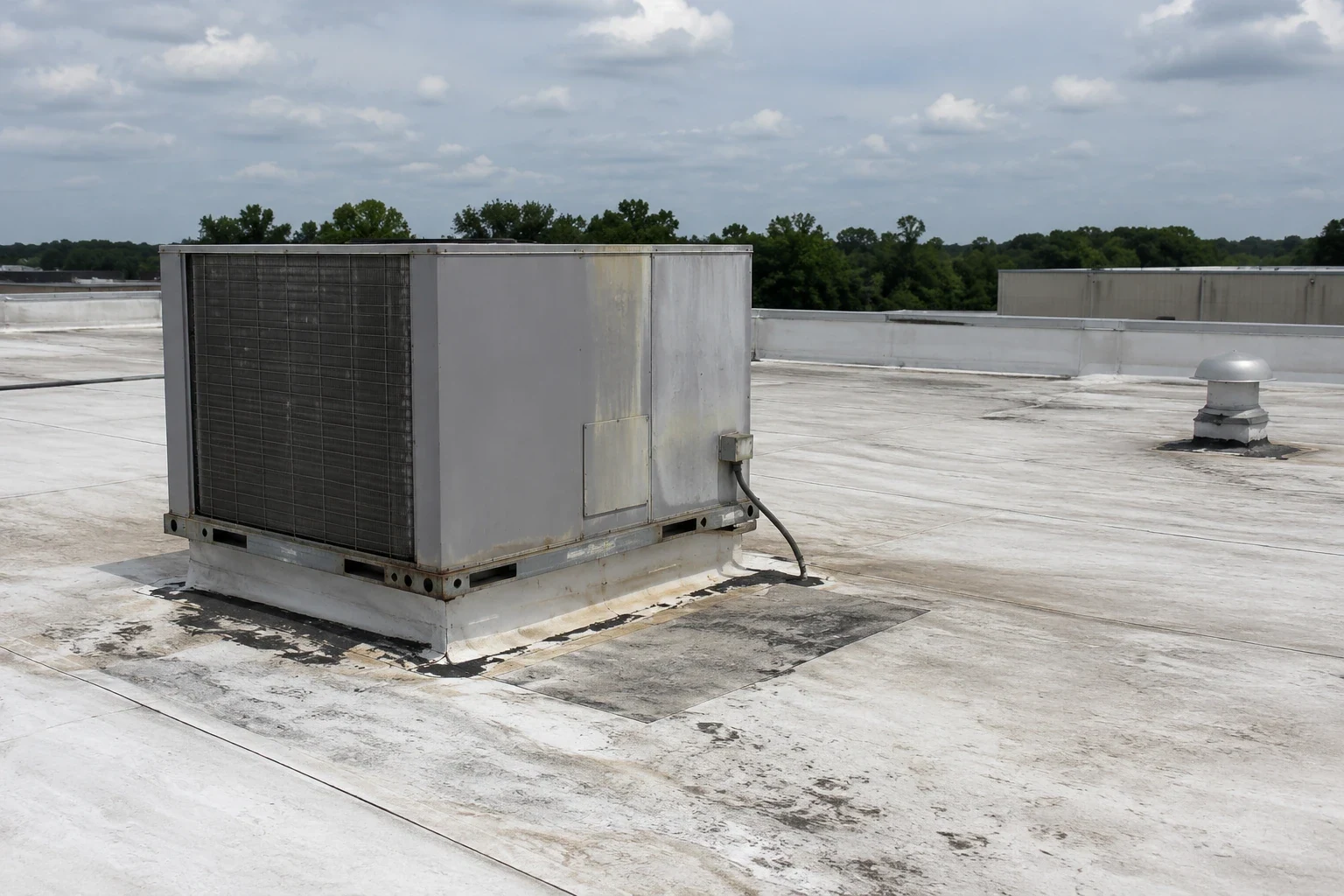
A failed gasket on a removable equipment access panel above an intact roof curb can redirect the next correction toward the housing rather than another membrane patch. Both interfaces need examination. Roofing for manufacturers in New Braunfels, TX, connects those findings with the affected assembly. We inspect the curb and adjoining sheet while coordinating equipment review with the relevant trade. The owner can then separate housing weather-seal work from any roofing quantity found beneath or beside it.
Production-related roof work needs a defined material and operating boundary. We inspect, repair and install commercial roof systems with the equipment interfaces they must meet. Water at a unit does not establish which component requires rebuilding. The useful investment identifies the actual damaged connection before removal. Suitable field roofing can remain where the examined assembly allows, while the related equipment defect receives its own correction and release.
Distinguish the access-panel seal from the roof curb
An equipment housing can admit weather through a failed gasket or panel joint while its roof flashing remains attached. We examine the accessible roofing around the unit and coordinate the component assessment. The appropriate equipment trade needs to address the housing condition. The roofing proposal should identify actual sheet or flashing damage separately. Rebuilding a serviceable curb detail would not restore the removable panel's weather connection above it.
We connect targeted manufacturing roof entry assessment with the relevant equipment release. Water may have affected nearby roofing layers even where the housing is the immediate defect. Those layers need investigation where they change retention. The owner should compare housing correction and roof-material rebuilding as distinct quantities at the same unit. A complete useful sequence resolves both where required before the affected production or equipment area resumes its planned use.
Set the release for the affected production dependency
A mechanical unit can serve production areas beyond the space directly beneath its roof position. We identify the actual operating connection with the building operator before selecting removal. The equipment review may require another release from the roofing task. Material handling and protection below the work also need assessment. The useful sequence permits component access and complete weather closure, with the roof boundary following the material that actually requires rebuilding.
We coordinate production equipment roof interfaces with the proposed mechanical work. Altered support or loading may require appropriate design review. A building sharing production roof areas and manufacturing storage space can have connected operations. We assess those particular dependencies. The owner should compare their practical release with permanent roofing quantities rather than assume that one room's position establishes the whole protection area.
Assess the roof beside manufacturing and technical-development changes
We examine the actual unit connection and material at the property under consideration. The next allocation should identify housing, support and roofing work where each is required, with access preserved to complete their interfaces.
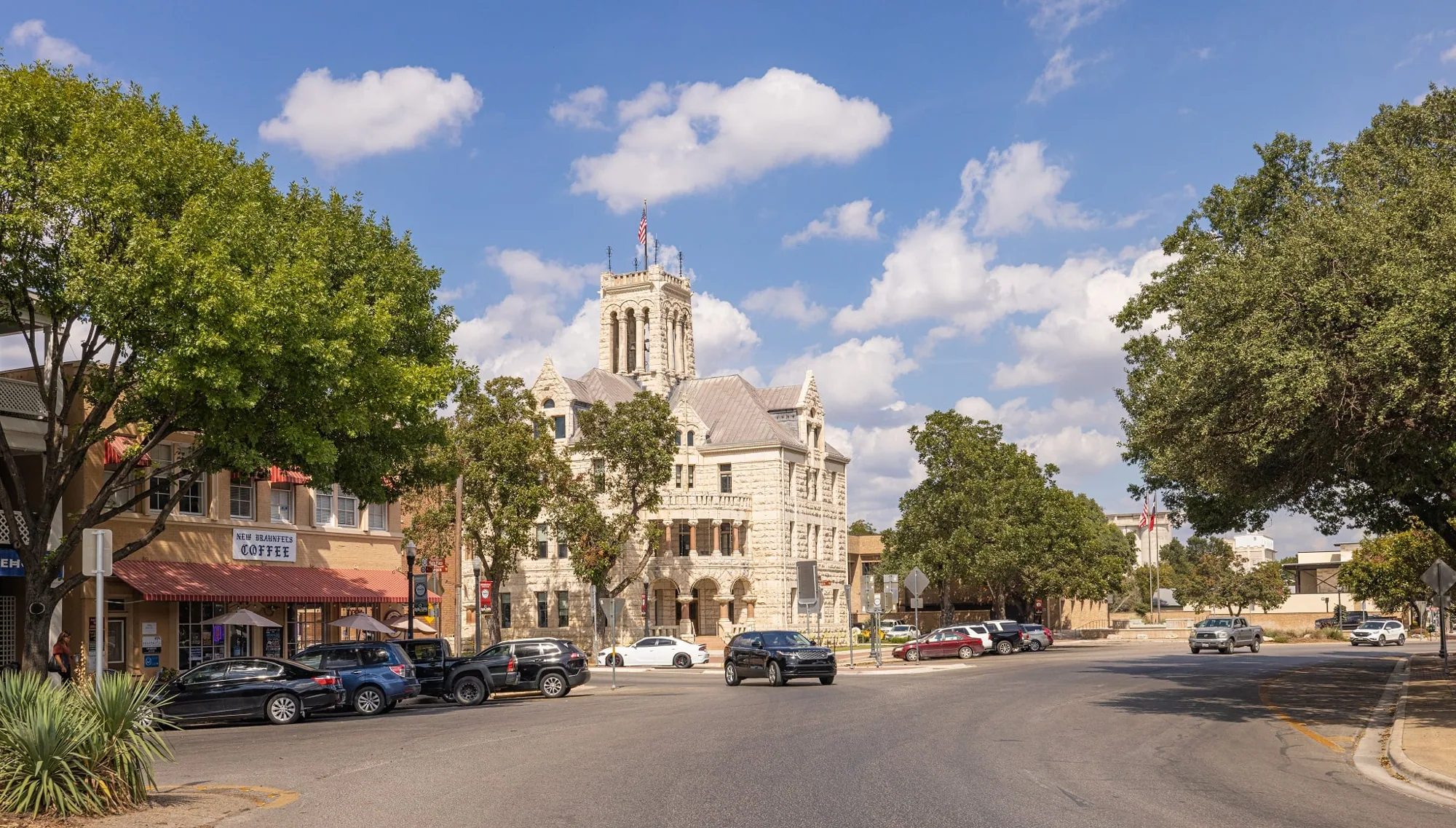
Caterpillar is among Seguin's manufacturing employers. San Marcos has light-industrial use as well as manufacturing activity. For a building in Seguin or San Marcos, the mechanical and roofing assemblies can differ. We inspect the affected construction before recommending retention. Related roof preparation for an operating change should be assessed before the new equipment arrangement closes access to a junction needing repair.
Examine roofing beneath the housing-related water path
A housing defect and damaged roof material can occur together. We assess the field, flashing and support where moisture or deterioration is suspected. Selected openings may establish the concealed layers and are restored appropriately afterward. The permanent correction should distinguish confirmed roof damage from suitable receiving construction. A complete equipment repair can stop its own entry path without rebuilding wet board or insulation that also needs roofing removal.
We evaluate appropriate investigation of production roof moisture for findings that would change removal at the equipment. The assembly must provide usable thermal conditions for the method. We examine indicated lower material physically before adding it to the rebuilding boundary. Dry receiving board beyond the moisture-damaged boundary may be retained where the roof system allows. A PVC field and flashing installation is one construction option where suitable. The selected assembly should meet compatible receiving layers and complete equipment details after the necessary lower correction.
Complete related preparation before new equipment limits access
A replacement housing can change the service position or clearance at a curb. We review the proposed arrangement before the final roofing detail is installed. The unit should leave access for preparation and complete weatherproofing. Related support or design requirements need assessment where the construction changes. The owner can compare those tasks with the retained roof's condition before committing to another equipment installation or surface renewal.
A manufacturer's connected logistics operation can have another protection and handling requirement. We identify that dependency where it affects the roof release. For renewal above continuing production use, added phases may reduce the released area but create more transitions and material movement. The useful comparison includes those quantities with complete rebuilding, rather than choosing an opening too limited to correct the damaged receiving assembly properly.
Fund the actual interface before expanding field renewal
An isolated housing-gasket defect may need equipment correction while suitable roofing receives continued care. Broader material deterioration, weak securement or concealed moisture can justify a separate roof renewal phase. We examine those findings before recommending removal. The proposal should identify what each option keeps and the roofing detail rebuilt at the equipment. A larger field surface still needs a complete compatible connection to the corrected unit.
We connect manufacturing property roof decisions with the next operating and equipment dates. Access, damaged-layer rebuilding and suitable temporary closure belong in the expenditure where required. Immediate weather protection should leave the permanent housing and roofing quantities clear. Your next allocation can then restore the actual failed component and any affected assembly, while wider field renewal follows roof condition examined beyond that local interface.
Commercial Roofing Questions
Can an equipment-panel gasket failure be corrected without repairing the roof curb?
Inspect the housing and roof connection as separate components. Suitable flashing may remain if its material and attachment are useful. The relevant equipment trade assesses the panel and gasket. We identify roofing damage where found. The owner should compare those quantities independently, then coordinate the access needed to complete both interfaces where the equipment defect and lower-layer damage occur together.
What if a housing leak has also affected insulation beside the unit?
Investigate the receiving layers where the finding changes rebuilding. We define the damaged insulation and board boundary separately from the housing repair. Useful adjoining material may remain where the selected roof assembly permits it. A corrected gasket does not reconstruct wet lower roofing. The permanent scope should include that material quantity and a complete connection around the equipment after the lower work is finished.
How should equipment serving several production areas affect the work release?
Identify its actual operating dependency with the building operator. The component assessment and roofing task may need different access periods. We compare those requirements with complete removal and weather closure. A room directly below the unit may not establish all affected operations. The useful sequence permits the necessary housing correction and roof rebuilding while protection and release requirements remain tied to the actual task.
Should a replacement housing be installed before roof flashing is completed?
Review whether the new arrangement leaves adequate access to prepare and finish the entire roof connection. Another sequence may be needed if the housing will conceal it. We identify curb, support and appropriate design requirements before installation. The owner should compare those preparation quantities with the equipment release. Roofing should meet the corrected component in a complete usable interface.
When is wider roof renewal justified beside a defective equipment seal?
Examine the field and lower construction away from the housing. Useful roofing may remain while the component receives its own correction. Wider moisture, deterioration or weak attachment can favor another phase. We identify the retained material and complete rebuilding for each choice. The next investment should resolve actual roofing condition instead of expanding a field installation to repair a housing defect outside its scope.
Manufacturers