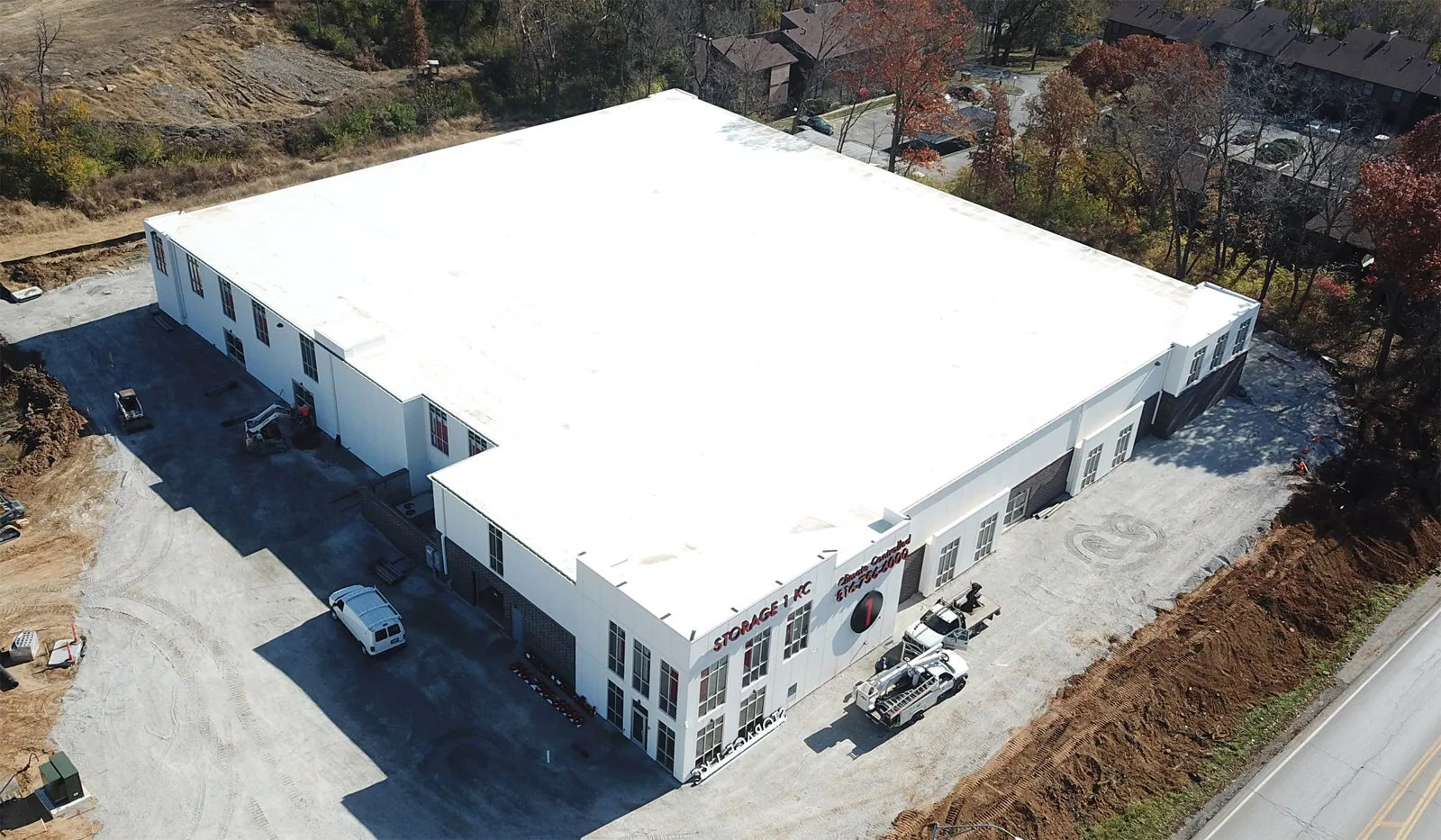
Commercial TPO Roofing
Insufficient flashing height at a wall can make the junction the next investment even where the welded field remains serviceable. The TPO sheet alone is not the complete roof. TPO roofing in New Braunfels, TX, needs suitable attachment and workable transitions at walls, outlets and equipment. We inspect those connections before recommending a local correction or renewal. The useful scope retains sound material while rebuilding the detail that has become unsuitable.
Commercial Roofing New Braunfels installs and repairs TPO membrane assemblies. We examine the supporting layers, existing joins and operating exposure before selecting the work. A new field installation may need tear-off or an eligible recover base. A repair needs compatible material and a suitable joining surface. The owner should compare those assembly quantities rather than fund a membrane surface without the connections needed to make it useful.
Establish a suitable weld at the repair boundary
TPO is a thermoplastic membrane whose suitable seams are joined with controlled heat welding. Material condition and preparation affect that connection. Dirt, degraded surface material or an incompatible previous treatment can interfere with a repair weld. We examine the existing sheet and prepare a suitable joining area. Trial work and connection checks help assess the method before a larger repair quantity proceeds.
Aged roofing needs its own evaluation rather than an assumption that all existing sheet remains weldable. We identify where compatible material can connect and where removal is necessary. A correction at an open membrane lap may require more than closing its visible edge. Unsuitable adjoining material or damaged support can enlarge the boundary. The repair should leave a dependable connection to the retained assembly, not another loose layer over the existing opening. A rubber membrane alternative uses different joining materials and needs a separate repair-method assessment.
Select the assembly that reaches suitable support
A TPO installation may use mechanical attachment, bonding or another suitable system-specific method. The choice follows the deck, assembly and applicable requirements. We examine supporting material and the proposed fastening or adhesion surface. Loose insulation or damaged decking needs correction before the new membrane closes it. The attachment must connect the working layers appropriately, rather than rely on an unsuitable retained surface.
We coordinate the insulation and protective board build-up with that method. Board type, surface preparation and fastening or adhesive requirements must fit the selected construction. A stronger sheet does not restore a weak base. The owner should see the supporting work in the renewal quantity. Where uncertainty remains below the surface, suitable examination belongs before approval of the retained-layer option.
Rebuild the wall connection with the field
A low wall termination can leave too little height for suitable flashing after new insulation raises the roof. We assess the finished surface, wall substrate and termination method. The correction may require a changed detail or rebuilding at the interface. Suitable securement at the transition also matters where the membrane turns upward. A sound field weld cannot compensate for an unsuitable connection at the wall above it.
Equipment curbs, pipes and drains need the same assembly attention. We examine flashing at raised openings and its relationship to the proposed field. Material movement and service access can change the detail. Outlet connections should permit suitable water discharge without vulnerable trapped areas. We define those quantities before installation so the TPO expenditure includes the interfaces that determine whether the finished weather protection is useful.
Choose the finish for the working roof
Traffic routes and equipment conditions affect membrane selection and protection. We inspect the operating demands around rooftop units and service paths. Where exhaust exposure influences selection, we compare another thermoplastic membrane option against the actual contaminants. Suitable walkway or protective details may be useful where repeated access creates wear. Exhaust exposure and contact materials need compatibility assessment. A material chosen for the open field still has to suit the concentrated demands at equipment and other roof interfaces.
TPO can be part of a reflective roofing investment where the selected assembly fits the building. Surface reflectivity is one performance role. Insulation and operating use also influence the building response. We compare those factors without assigning a fixed energy result. Roof condition remains decisive for removal or retention, with the chosen finish serving a suitable assembly rather than covering unresolved moisture or attachment problems.
Release membrane work above the occupied use
Main Plaza is a central gathering area within Downtown New Braunfels. Roof work on an occupied downtown property needs suitable access and exterior handling without leaving the underlying activity outside the release plan. We assess the actual assembly and entrances affected by the work. Wall connections and nearby roof levels can influence the phase. The membrane choice still needs a practical path to installing its complete details.
In the Gruene Historic District, the historic Gruene Family Home serves as the Gruene Mansion Inn. For TPO work above hospitality space, room use and equipment service can affect the removal boundary and installation timing. A property in the downtown New Braunfels area needs its own release, just as one in Gruene does. We coordinate that use with the material findings before selecting the renewal phase.
Compare local welding with full renewal
Widespread sheet deterioration can limit the value of repeated seam or patch repairs. We examine the field between the visible defects and the condition of its support. Compatible repairs may remain useful on suitable material. Broad deterioration or moisture can move the next expenditure toward a complete roof renewal. The comparison needs to show what each repair retains and what a replacement would rebuild.
Comal County's humid, hot summer weather affects preparation and installation conditions. We assess surface suitability and the material requirements during the work release. Cost drivers include access, removal, wet-layer rebuilding and interface corrections. Those quantities can outweigh the difference between membrane selections. The owner should fund a TPO assembly that suits the observed roof and the operating use, with clear local corrections or a defined broader renewal boundary.
Commercial Roofing Questions
Can a sound TPO field remain while low wall flashing is rebuilt?
Suitable field material may remain where the new detail can connect properly. We examine the wall, finished height and adjoining sheet condition. A changed termination or local membrane removal may be needed. The repair boundary should restore the wall junction without leaving an unsuitable transition into the field. Broad deterioration elsewhere can still change the larger renewal comparison.
Why does an older TPO repair need a trial weld?
Existing surface condition can affect joining. We assess preparation and compatible material before extending the repair. A trial connection can help determine whether the method is suitable at that area. Degraded or incompatible roofing may require removal to a better boundary. The useful quantity follows material that can accept the repair, not simply the dimensions of the visible split.
Should TPO be attached the same way as the membrane being removed?
The proposed assembly needs assessment against the deck, support layers and applicable requirements. An existing method may remain appropriate, or another suitable approach may be needed. We examine those conditions before selecting attachment. Repeating the old arrangement without assessing deterioration or changed construction can preserve the problem beneath a new sheet. The complete assembly, rather than the membrane name, establishes the installation method.
Can a reflective TPO surface compensate for damaged insulation?
The surface and insulation have different roles. Wet, compressed or otherwise unsuitable layers need examination and possible rebuilding. A reflective finish can serve the new assembly where appropriate, but it cannot restore that damaged base. We compare the necessary layer work with the membrane choice so the owner can fund useful construction rather than a surface change over unresolved material.
What changes the cost of repairing several isolated TPO areas?
Preparation, access and the condition beneath each area can differ. Compatible sheet may allow localized welding, while damaged support or unsuitable old treatments can enlarge removal. We assess the material between the repairs as well. That comparison shows whether local work retains a useful roof or whether repeated corrections would leave a larger renewal need unresolved.

Commercial TPO Roofing