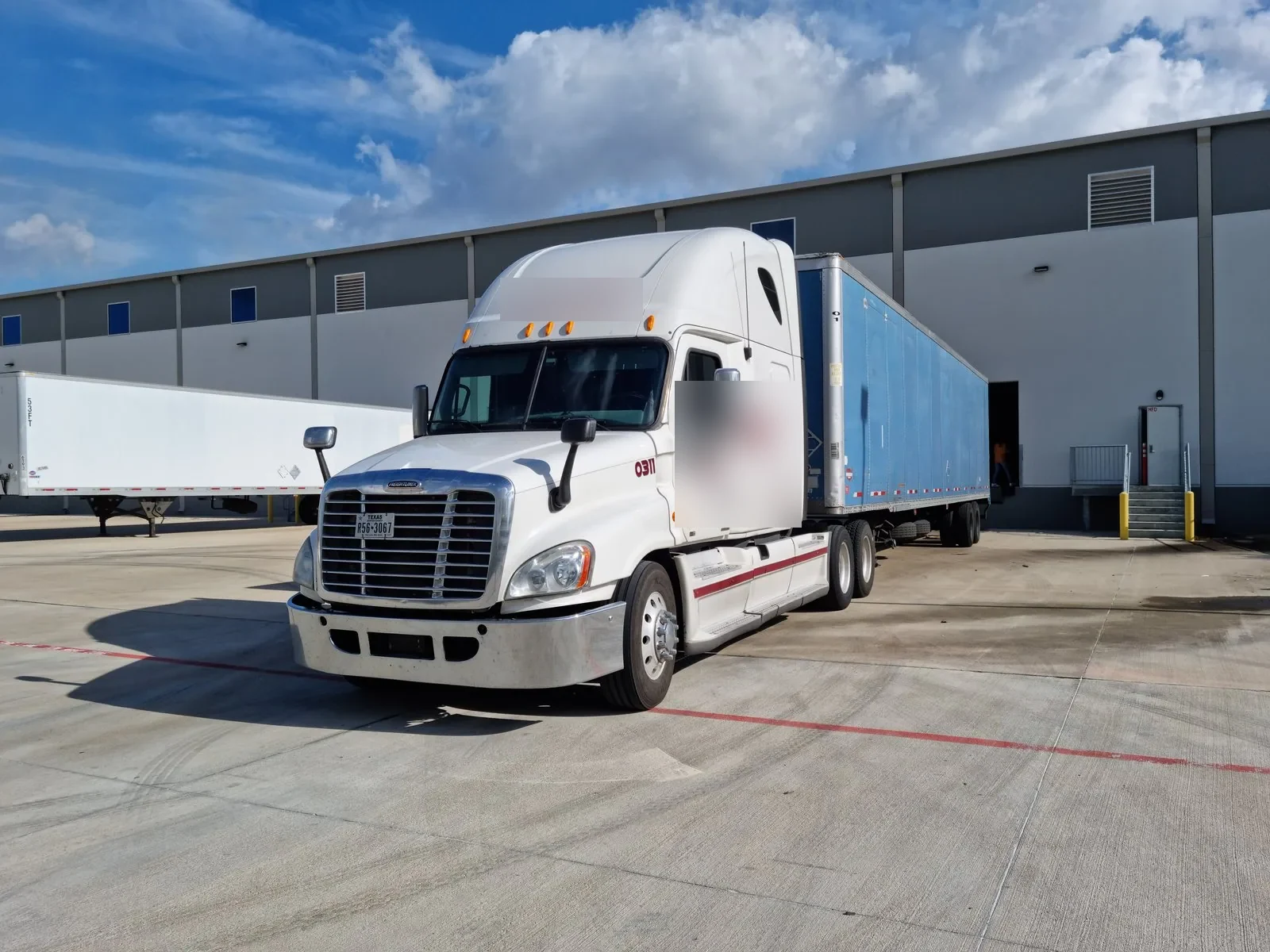
Logistics and 3PL
Backed-out fasteners along a mechanically attached membrane seam can leave the attachment row exposed while the sheet remains repairable. Resetting visible heads is not the full decision if their receiving support is unsuitable. Logistics roofing in New Braunfels, TX, connects that finding with the deck and seam construction. We examine the fastening interface and adjoining material. The owner can then compare suitable attachment-row rebuilding with retention of the useful field above stored goods.
We repair and install commercial roofs serving distribution, storage and related operating uses. Inventory protection and handling influence the work release. The roof quantity should still follow the assembly requiring correction. A seam repair can involve receiving construction below the sheet as well as the exposed row. The useful investment identifies those layers and the connection needed to restore suitable attachment and complete weatherproofing.
Assess the receiving support before resetting fasteners
A backed-out fastener may have lost useful engagement or be affected by the condition of its receiving construction. We inspect accessible attachment and support where the finding changes the repair. Appropriate design or structural review may be needed to establish suitable correction. Tightening the same component does not rebuild damaged material beneath it. The new arrangement should suit the selected roof system and required attachment.
We connect membrane seam and attachment-row reconstruction with the receiving assembly. Plate position, fastener condition and the sheet connection need assessment together. Damaged support can extend the local rebuilding boundary. Suitable field material may remain where compatible new details meet it. The owner should compare the complete attachment and weatherproofing quantity, not only a surface closure above fasteners whose lower connection remains unresolved.
Release the affected storage area for actual rebuilding
Opening an attachment row can require protection for goods or equipment beneath the repair. We locate the roof quantity with the building operator before choosing removal. A damaged receiving layer may extend beyond the visible seam section. The work release should fit that full material boundary and a practical closure sequence. Inventory movement and roof handling need suitable positions before new material and debris enter the operating area.
For distribution roof areas and storage building assemblies, the handling release can differ. We assess actual loading and equipment dependencies. A narrower opening may reduce exposure but add transitions and repeated material movement. The owner should compare those quantities with complete receiving-layer correction. A storage aisle does not necessarily establish the extent of unsuitable roof support above it.
Assess the corridor property before setting roof deliveries
Schertz and Selma lie southwest of New Braunfels along the Interstate 35 connection. Roof handling at a corridor property needs assessment of its specific approach and work position. We inspect the path to the attachment repair and the area available for material movement. Active loading or deliveries may require another handling arrangement. That quantity belongs with the permanent seam and support work before the released roof area is opened.
Selma's growth has followed Interstate 35, while Schertz has access from exits 174 through 180 along its northern area. For a property in Schertz, exterior handling can differ from one in Selma. We identify the actual roof and operating access. For an operating addition, related roof interfaces should be assessed before new equipment or storage arrangements limit access to construction requiring correction.
Define the membrane and lower material worth retaining
A loose attachment row can have sheet damage where plates or fasteners contact the membrane. We inspect the local material and the area receiving the new seam connection. Torn or unsuitable sheet needs compatible rebuilding. Suspected moisture can require examination below the surface. The repair boundary should reach useful layers, with supporting correction completed before roofing is installed above it.
We use direct assessment of the logistics roof to distinguish that localized attachment issue from field condition. A TPO seam reconstruction is one option where compatible with the selected assembly. Other materials need their own connections. The proposal should identify what each choice retains and the preparation needed at its edge. A new surface alone should not conceal damaged receiving construction beneath the completed attachment detail.
Choose a closure sequence that reaches suitable construction
A seam row can cross several operating areas beneath the roof. We compare its actual repair extent with the release available at the building. More phases can reduce the affected area while adding transitions and handling. Each phase still needs complete material preparation and weather closure. The removal boundary should not leave a known unsuitable support section inside the finished repair merely because another inventory area has not been released.
For renewal above continuing logistics use, shared equipment dependencies need assessment with the building operator. A roof task connected with manufacturing operations may require another release or protection arrangement. We identify the material quantity and practical sequence for the affected area. The useful comparison includes temporary transitions, damaged-layer work and the complete attachment detail, rather than selecting a phase solely from the sheet surface that can be reached quickly.
Compare the row correction with remaining field renewal
A defined attachment defect can be corrected beside suitable field roofing. Repeated failures across weak receiving construction or deteriorated material can justify another renewal extent. We examine those conditions before recommending removal. The comparison should show the support, attachment and surface work each option requires. Immediate weather protection can also be necessary while permanent receiving-material correction is arranged.
We connect logistics roof investment planning with equipment and operating changes affecting the same assembly. A property manager's work release should identify actual tenant and handling requirements. The owner needs the complete rebuilding quantity alongside those restrictions. Your next expenditure should restore suitable seam attachment and weather protection at the affected roof, with later field renewal based on the construction examined beyond that local row.
Commercial Roofing Questions
Can backed-out seam fasteners simply be tightened and covered?
Examine their receiving connection and the roof system requirements before selecting that correction. Damaged support or unsuitable engagement can require another attachment arrangement. We assess the plates, sheet and lower construction together. The owner should compare those quantities before surface closure. A fresh membrane detail should not conceal a fastening defect that remains unresolved beneath the repaired seam.
What if the membrane remains repairable but the attachment base does not?
Identify the support correction needed through appropriate review and examine the sheet connection afterward. Useful field material may remain outside the required opening. Local removal can still be needed to reach and rebuild the receiving assembly. We define those different quantities. The permanent seam should meet suitable support and compatible roofing rather than use the sheet's appearance as the entire retention decision.
How should goods beneath a long seam repair affect phasing?
Locate the damaged row and establish storage protection with the building operator. The repair may cross several operating areas. We compare practical releases with complete rebuilding and closure. Smaller phases can add handling and transitions. The useful sequence reaches all unsuitable material while providing the protection needed below it, instead of leaving one damaged support segment beneath the finished seam because its storage area remains active.
Does changing the roof material eliminate receiving-support repair?
The proposed assembly still needs appropriate attachment and a suitable base. We assess the deck and lower layers before recommending retention. A different surface may require another fastening or detail arrangement. The owner should compare the complete system quantity. New membrane material alone does not reconstruct damaged support or restore the connection the selected roof depends on.
When should a logistics operator compare broader roof renewal?
Examine attachment and material between the defective row sections. Suitable roofing can support defined local reconstruction. Broad receiving-layer deterioration, moisture or weak securement can favor another extent. We identify those findings with the handling and operating release each choice needs. The next investment should compare complete assemblies, including support work, instead of treating another surface seam closure as resolution of concealed damage.

Logistics and 3PL