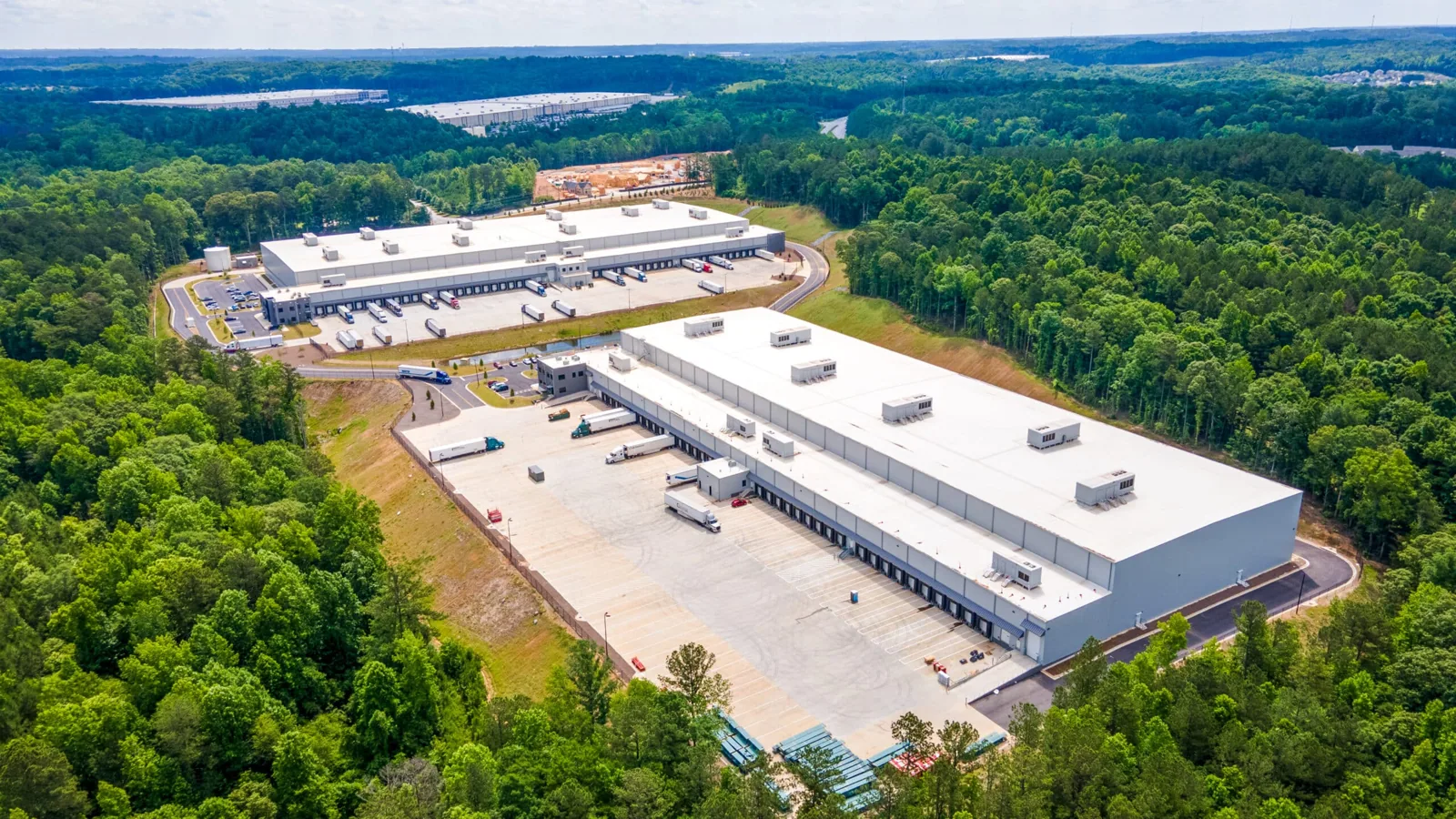
Cold Storage Roofing
A replacement cooler enclosure meeting the roof at a different height can leave the retained curb detail unsuitable. The connection needs rebuilding before the new enclosure closes access to it. Cold storage roofing in New Braunfels, TX, ties that interface finding to the full thermal and weatherproofing assembly. We examine the remaining layers and the proposed junction. The owner can then fund the connection work with a clear boundary for material that stays in service.
Commercial Roofing New Braunfels repairs and renews roofs serving refrigerated storage and freezer use. The roof must work with the building's insulation, moisture-control and enclosure details. Surface waterproofing remains essential, but the concealed connections also affect suitable retention. We assess those conditions with the relevant design and equipment requirements. A replacement enclosure or changed operating temperature can make the next roof investment different from a routine membrane repair.
Rebuild the junction before the enclosure conceals it
Changed height can reduce useful flashing clearance or interrupt the existing layer connection. We measure the proposed interface and inspect the retained curb construction. The new detail needs suitable attachment, material compatibility and space for completion. An enclosure installation should leave access to finish those tasks. Where support or moisture-control layers need alteration, their rebuilding belongs in the same work sequence.
We connect curb and support preparation with the roof assembly being retained. The enclosure and equipment arrangement may need appropriate structural or design review. Weather protection and thermal connections should each have a complete detail. The owner can compare those requirements before installation closes the junction. A field patch alone may leave the changed height and supporting construction unresolved beneath an otherwise finished-looking surface.
Assess the thermal boundary with the operating conditions
Cold interior conditions can create significant temperature and vapor-pressure differences across the enclosure. Moisture-control requirements depend on the complete building assembly and operating use. We examine roof insulation, suspected wet areas and accessible layer connections. Air leakage at a discontinuity can carry moisture into concealed construction. The relevant design review should address that path rather than select a roof surface independently of the thermal boundary.
Where production operations connect with refrigerated areas, adjoining spaces may have different conditions. We identify the particular roof and enclosure transition requiring work. Suitable retention needs material that supports the proposed assembly. Wet or deteriorated insulation requires its own removal decision. The owner should see those layer quantities separately from the visible flashing repair, with the connection between them addressed before new roofing closes the area.
Confirm concealed material before choosing retention
A sound-looking membrane can lie above damaged or moisture-affected insulation. We investigate suspect areas where the result changes the rebuilding boundary. Test openings can establish construction and material condition at selected locations. The work should distinguish actual wet material from an unconfirmed surface indication. Each opening needs suitable restoration after assessment so the examination does not leave a new weather entry.
Thermal moisture investigation can contribute when the method and conditions suit the assembly. Refrigeration and interior temperature differences can complicate interpretation. We assess those limitations and connect suspect findings with physical confirmation. The useful outcome identifies the insulation and support requiring correction. It does not treat every visible thermal difference as the same defect or assume that an intact outer sheet establishes dry construction beneath it.
Separate product protection from the removal quantity
A roof opening above refrigerated goods can require protection and an operating release that differs from ordinary storage. We coordinate the affected area with the building operator. Temperature control, product movement and equipment dependencies belong in that assessment. The damaged-layer boundary still needs complete rebuilding. A convenient opening position should not leave unsuitable insulation within the finished assembly.
Adjoining warehouse areas may offer another handling arrangement, but the actual route needs examination. New material and debris should have suitable movement and collection positions. For reroofing during continued building use, each phase needs a practical closure. The owner can compare a wider released area with narrower phases that add transitions and handling. The roof and refrigerated operation both need workable boundaries before removal begins.
Plan concealed-layer work for the Comal County conditions
Comal County's summer weather combines heat with humidity. Preparation and closure timing matter where refrigeration creates a cold interior beneath the work. We assess substrate condition and the material requirements before releasing installation. Exposed construction needs appropriate temporary protection while connections are rebuilt. The investment should include that handling and protection effort rather than assume that the outer membrane is the entire work quantity.
An operating addition can raise roof-interface decisions before the new arrangement is installed. San Marcos also has manufacturing and light industrial uses, while Seguin is home to manufacturers including Hexcel. For refrigerated space in San Marcos, we assess the specific enclosure and roofing connection. The next repair or renewal phase should follow those examined layers and the proposed operating change.
Compare the whole assembly at the renewal decision
A complete insulation and cover-board correction may require more removal than the visible membrane defect. We identify support condition and the moisture-control connection needed for the selected construction. Suitable retained layers can reduce rebuilding where the assembly allows. Widespread insulation damage can enlarge the rebuilding boundary beneath the refrigerated enclosure. The comparison should show what remains and how the new layers meet it.
The owner also needs to assess future enclosure changes. Rebuilding the same junction after a new roof is completed can add another release and transition. We distinguish necessary work now from related preparation that belongs with the planned alteration. Surface choice follows that complete assembly review. Your next investment should restore useful weather protection and a suitable thermal boundary, with the retained construction and remaining work clearly identified.
Commercial Roofing Questions
Can the old curb flashing stay after a cooler enclosure changes height?
Measure the resulting clearance and examine how the retained material meets the new construction. The old detail may need rebuilding even where the field roof remains suitable. We assess attachment, compatibility and the thermal connection. The useful scope restores the whole junction before installation limits access. Retention should follow the changed interface rather than the apparent condition of its outer surface alone.
Does intact roofing establish that cold storage insulation can remain?
Concealed material needs assessment where moisture or deterioration is suspected. We examine selected areas and identify what the repair would retain. A membrane can appear sound while lower layers require correction. The removal decision should separate confirmed damaged insulation from suitable adjoining construction. The complete assembly also needs review for the operating conditions and the moisture-control connections it relies on.
How useful is infrared testing above a freezer area?
The assembly and available thermal conditions determine whether the method can contribute. Refrigeration can affect the observed pattern and its interpretation. We assess those conditions before using the survey for a removal decision. Suspect areas need suitable physical confirmation. The useful finding identifies material requiring correction rather than treating a temperature contrast as sufficient proof of roof moisture.
What should be included before roof removal above refrigerated goods?
Establish product protection, operating separation and the equipment dependencies for the affected area. We coordinate those requirements with the building operator and the actual roof boundary. Each opening needs a practical route to weather closure. The comparison should include handling and temporary protection as well as permanent rebuilding. A reduced opening still has to reach and replace the damaged layers.
Should an enclosure replacement be combined with wider roof renewal?
Compare the field condition with the work needed at the altered interface. Suitable roofing may support a defined local correction. Broad moisture or deterioration can favor a larger phase. We identify the layers each choice retains and the operating release it needs. Combining work is useful where it resolves connected assembly requirements, rather than merely places unrelated tasks in the same installation period.

Cold Storage Roofing