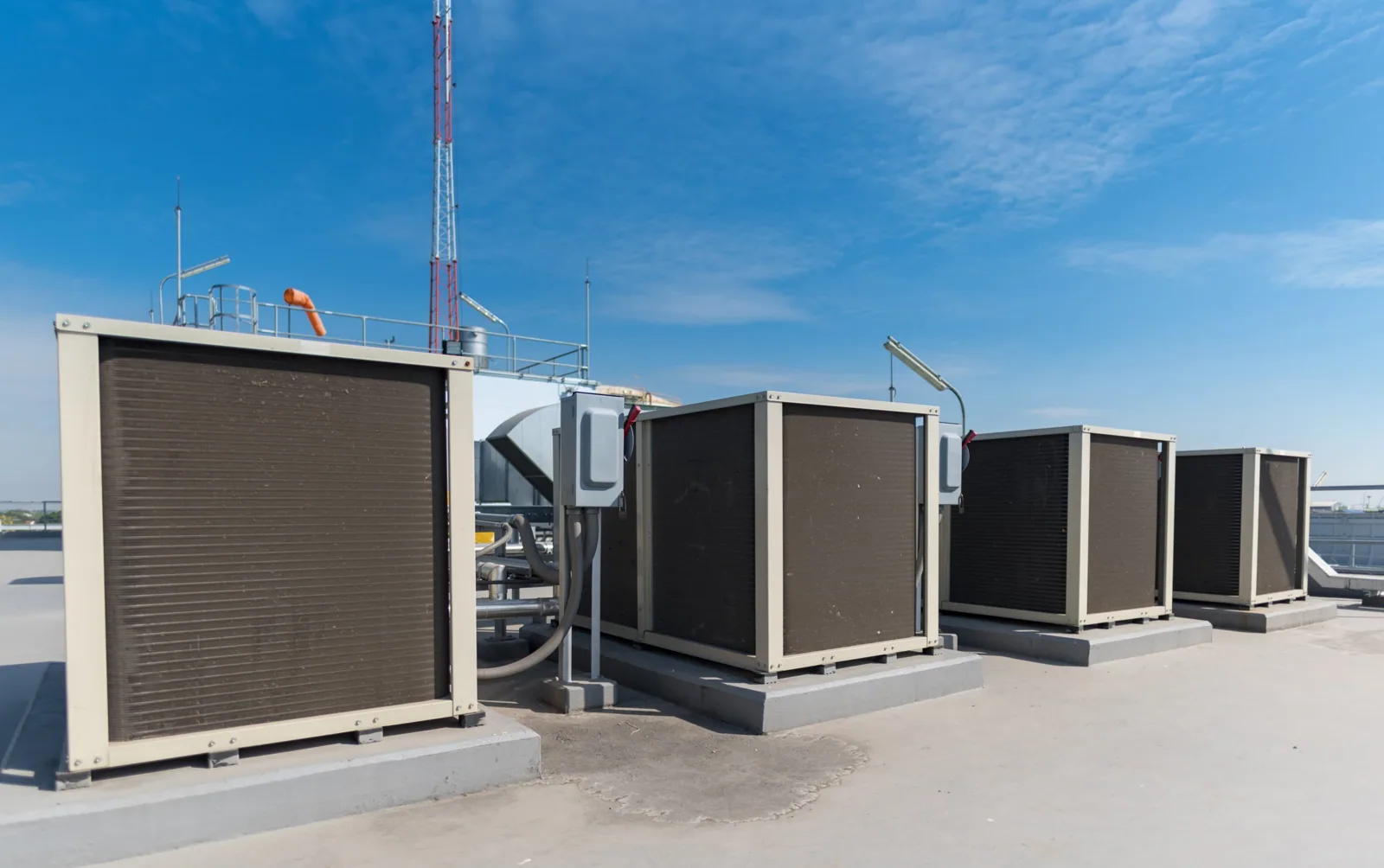
Rooftop Equipment Curbs and Supports
An adapter that leaves inadequate vertical flashing height changes the curb rebuilding quantity. We examine the finished roof level and connection before treating a matching unit footprint as an acceptable installation. Rooftop equipment curb and support work in New Braunfels, TX, connects that material decision with the unit's load, service needs and flashing. We identify what can remain and which connections need rebuilding. Moving the equipment alone leaves those roof quantities unresolved.
Commercial Roofing New Braunfels repairs and installs roofing interfaces at equipment curbs, supports and pipe routes. We coordinate the roofing with the relevant equipment and design work. The load path must suit the supporting building construction. Weatherproof connections must suit the membrane or metal system. Those are separate requirements serving one useful installation, with the roof repair boundary established before new components conceal it.
Establish where the load will reach support
A freestanding support can distribute load across the surface without establishing that the insulation beneath it is suitable. We examine the roofing assembly and proposed support arrangement. Compression, damaged cover board or deteriorated deck can change the work. Structural loading questions need appropriate design assessment. A larger pad does not automatically resolve unsuitable supporting material or demonstrate that the building can accept different equipment.
We connect those findings with rebuilding affected insulation and protective board where needed. The support method should also preserve drainage and a compatible contact surface. Sharp edges, trapped debris or unsuitable material against a membrane can create new wear. The owner should compare the support installation and the roof correction together. Approving only the visible hardware can leave damaged construction beneath a newly positioned unit.
Rebuild the raised connection for the unit
An equipment curb needs suitable support, height and flashing at the finished roof level. We inspect the existing curb and the relationship to the proposed unit. An adapter or replacement can change the connection and the available working space. The roof-side flashing must fit the resulting detail. A suitable equipment fit does not by itself establish that the weatherproof transition around the curb can remain unchanged.
We examine curb and penetration flashing alongside the mechanical connection. Added insulation may require increased height or another detail correction. A damaged base can need removal before the new connection closes it. Equipment lifting, disconnection and reconnection require coordination with the appropriate trade. We identify the roofing tasks within that sequence so the curb expenditure includes the work needed to restore the assembly around the unit.
Allow the pipe route to move appropriately
A pipe run can expand or shrink as operating conditions change. Supports and roofing details must accommodate the movement appropriate to the installation. We assess the contact points, route and existing wear. A support that shifts across a membrane can disturb its surface. A rigid connection at a moving component can also concentrate stress. The correction needs consideration of the pipe system and the roofing rather than another patch beneath an unchanged support.
Drainage must remain workable around the route. Closely placed supports can collect debris or obstruct water where the roof geometry is already limited. We examine their relationship to outlets and service paths. The installed roofing also determines compatibility. For a rubber membrane assembly, contact materials and repair preparation differ from a welded membrane system. The useful support detail protects the existing surface while allowing the installation to function as intended.
Keep maintenance access in the layout
A new unit can leave too little space for useful flashing repair or future service. We examine the proposed arrangement before the support is installed. Walk routes, neighboring equipment and drain access can influence the layout. Suitable roof protection may be needed where technicians will regularly approach the unit. That protection should not create a new water obstruction or conceal a vulnerable membrane connection beneath loose material.
After installation, maintenance checks at the changed interface can assess wear, movement and adjoining roofing. The owner needs to know which area was rebuilt and what older material remains nearby. Equipment renewal and roof renewal may occur at different times. A workable layout keeps the future membrane or flashing correction accessible rather than making the next roof expenditure depend on removing otherwise serviceable equipment.
Coordinate the roof release with the operating use
That industrial location is also near Interstate 35. For an industrial property, a rooftop equipment change can affect production space below the work. We examine the actual connections and identify the needed roof release. Temporary exposure, equipment interruption and material handling can influence the sequence. Those operating conditions belong beside the support and flashing quantities.
For equipment interface work above educational space, access and planned occupation can affect the timing of an opening. A building in Schertz needs its own assembly assessment. The useful correction remains specific to the unit, supporting construction and adjoining roofing, even where several buildings share a common equipment replacement program. Each work release should follow the occupied use underneath it.
Combine the interface with the next roof phase
A planned roof recover can raise the finished surface around an existing equipment curb. A planned unit replacement can alter the same detail soon afterward. We compare those dates before choosing which construction to retain. Combining compatible work may avoid reopening a completed interface. An active leak still needs attention where waiting would leave the building exposed. The immediate correction and the planned alteration should have separate purposes.
For renewal over an operating building, we connect equipment work with removal and dry-in areas. Access, lift handling and concealed-layer rebuilding can drive cost and timing. We identify which materials need replacement now and which connections will change in the next phase. Your investment should leave a suitable roof interface at each release, with future equipment service practical and the remaining roofing decision visible.
Commercial Roofing Questions
Can a larger support pad solve a depression beneath equipment?
Inspect the material beneath the pad first. Compression or deterioration may require local rebuilding before a suitable support arrangement is installed. Load distribution also needs assessment against the assembly and supporting construction. A larger pad can change contact pressure but cannot restore damaged insulation. The roofing and support quantities should be evaluated together rather than treating new hardware as the complete correction.
Does a replacement unit require a new curb?
The equipment fit, support and roofing connection need review. An eligible existing curb may remain where it provides suitable height and attachment for the proposed unit. An adapter or replacement may be necessary where those conditions differ. We assess the roof-side detail before the installation closes it. The unit's dimensions alone do not establish whether the flashing can remain suitable.
Should pipe supports be fixed rigidly to stop surface wear?
Movement requirements belong to the pipe installation and support design. We coordinate the roofing correction with that assessment. A rigid attachment can introduce other stresses where the system needs movement. Suitable support and contact details should protect the membrane while serving the pipe route. Repairing the worn surface without changing an unsuitable support arrangement can leave the same wear mechanism active.
How should I coordinate roof renewal with an upcoming equipment replacement?
Compare finished roof heights, curb changes and the equipment release date before installing the new assembly. The interface may be worth rebuilding within the same phase where practical. Active damage may require a narrower correction sooner. We distinguish that immediate repair from the planned alteration so the owner can assess necessary protection and avoid funding incompatible sequential work at the same opening.
What roofing work should follow a completed equipment move?
Examine the old support area, new connections and the service route. Removed pads can expose damage, while new curbs or pipe routes can affect drainage and membrane protection. We identify the local corrections and suitable remaining material. Closing only the former penetration may leave another disturbed area untreated. The review should address the complete set of roofing interfaces changed by the move.

Rooftop Equipment Curbs and Supports