Preventive Commercial Roof Maintenance
Sediment returning to the same sump changes the maintenance task. Clearing the outlet remains necessary. The collection pattern also needs examination. Preventive roof maintenance in New Braunfels, TX, should address conditions that can deteriorate the assembly, not merely leave the surface looking cleaner. We inspect the detail, identify a useful correction and separate routine care from work that requires a larger repair approval.
Commercial Roofing New Braunfels develops scheduled maintenance for low-slope and metal commercial roofs. Visits assess drainage, membrane connections, flashing and exposed components appropriate to the system. We record meaningful changes so the next expenditure follows the actual condition. A serviceable area can remain in use. A failed detail needs its own correction. The maintenance program should support those decisions without treating continued visits as a substitute for necessary rebuilding.
Clear the outlet and examine its approach
Leaves and roof debris can obstruct discharge at a drain or scupper. We remove appropriate obstructions and examine the accessible connection. Strainers and nearby flashing need attention as part of that work. A blocked outlet and an undersized drainage path are different conditions. Clearing debris can restore available discharge, but it cannot change the roof slope or repair deteriorated material beside the opening.
Repeated ponding warrants a closer look at the sump, surface levels and drainage route. We identify where drainage correction work belongs beyond scheduled cleaning. Tapered material or a rebuilt connection may be necessary where the assembly permits that solution. We distinguish those quantities from routine maintenance. The owner can then fund the correction that changes exposure, rather than repeatedly authorize cleaning for a condition that the cleaning alone cannot resolve.
Find the connection that has changed
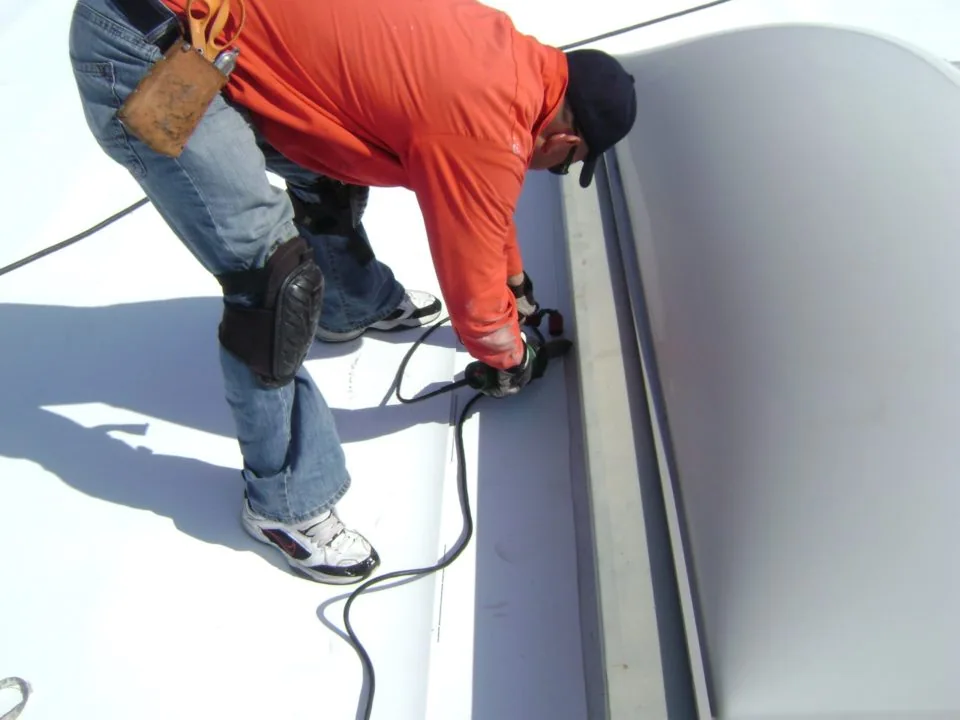
A membrane lap that was closed can begin separating at an exposed edge. A metal fastener can loosen, or a flashing seal can deteriorate. We examine these changes against the installed system and the surrounding material. The useful action may be a localized compatible repair. Where movement or damaged attachment contributes to the condition, the work needs to address that connection rather than repeat a surface treatment.
We distinguish repairs to affected roof details from the inspection visit itself. A maintenance scope should state what work is included and which findings require another decision. Scattered deterioration can move the next expenditure toward a broader repair phase. Suitable adjoining material may support a narrower correction. The boundary follows the condition we examine, with separate attention to the material that would remain after the work.
Protect the route used for service
Scuffing and disturbed roofing beside an equipment unit can reveal a service route that needs protection. We examine the membrane, support pads and access around the equipment. Repeated foot traffic can affect exposed material and its connections. A suitable walkway or protection detail may reduce direct wear where the assembly allows it. That work still needs to preserve drainage and avoid trapping debris against nearby penetrations.
Equipment changes deserve a separate roof review. A new support, cable route or curb alteration can create a condition outside the original maintenance assumptions. We examine equipment support and curb interfaces after relevant changes. The useful maintenance action is tied to the new connection and adjoining material. Adding another general visit without examining the altered detail may leave the roof's principal new exposure untouched.
Schedule care against the building activity
Cibolo has an older commercial district on Main Street. For an occupied commercial property, roof care needs to account for entrances, deliveries and service equipment. We establish the accessible work area and identify where debris handling or a repair could affect the activity below. The maintenance release should be practical for the business while still reaching the details that need examination.
For maintenance above educational space, the timing of roof access and localized work needs coordination with the building operator. A property in Cibolo can have different operating constraints from a school property in Schertz. We use those conditions to plan the visit and any repair release. The same maintenance standard can apply without imposing the same work schedule on unlike buildings.
Examine exposure after a condition change
Debris striking the roof or new water appearing indoors creates an inspection need outside the normal visit schedule. We assess the affected surface, adjoining attachment and relevant connections. A recent event can concentrate the review on a particular area. It can also justify a broader examination where several exposed components show disturbance. The inspection scope should follow the changed condition and the building risk it creates.
We combine that review with a closer roof condition examination where needed. Hot, humid summers in Comal County also affect material preparation during maintenance repairs. The working surface must suit the proposed repair method. Cleaning and inspection may proceed under different conditions from adhesive or coating work. We keep those tasks separate so a scheduled visit does not push a repair into unsuitable conditions simply to complete everything at once.
Use maintenance to define the next investment
Several recurring defects across different roof areas can change the value of continued local repair. We examine the remaining field, affected layers and attachment before recommending another round of corrections. Maintenance can support serviceable construction. It cannot rebuild a broadly deteriorated assembly through inspection alone. A larger renewal phase may become the more useful next expenditure where repair work would retain unreliable material.
The repair ledger should identify the actual work and its boundary. We connect those completed corrections with unresolved findings and the next roof renewal allocation. Access needs, affected layers and equipment coordination can influence that allocation. A repair completed today may leave a separate area for later work. Keeping those quantities distinct lets the owner assess the roof's remaining needs without confusing routine maintenance spending with completion of the entire renewal decision.
Commercial Roofing Questions
Why does the same drain need cleaning again so soon?
The collection pattern needs examination as well as clearing. Debris may arrive from nearby roof activity, or the sump geometry may retain material at the outlet. We assess the approach and connection before selecting another action. Cleaning can restore discharge, while a damaged detail or persistent low area may require separate repair. The next expenditure should match that distinction.
Can maintenance visits replace the need for a roof renewal budget?
Scheduled care supports suitable existing construction and identifies changes. It cannot reverse widespread deterioration or restore damaged hidden layers without repair work. We separate ongoing care from the material that needs rebuilding. A serviceable roof may allow renewal to remain a later decision. A failing assembly needs a funding comparison that inspection visits alone cannot resolve.
Should maintenance include every defect found during a visit?
Define the included tasks and the repair approval boundary beforehand. Some localized corrections may fit the maintenance scope. Larger openings, concealed damage or extensive flashing replacement can need separate work. We explain those findings with their locations and consequences. That lets you prioritize the repair expenditure without treating an inspection list as automatic authorization for unrestricted construction.
How does new rooftop equipment change my maintenance program?
The new installation needs review at its curb, supports and service path. Added traffic or altered drainage can affect adjoining roofing. We inspect those changes and adjust the relevant maintenance tasks. A general visit schedule may remain useful, but the new interfaces need specific attention. Their condition can create a repair decision even where the surrounding roof remains serviceable.
What makes a repair history useful for planning another maintenance visit?
Known work locations direct examination toward the repaired boundary and nearby material. We compare their current condition with unresolved findings elsewhere. That is more useful than a total spending figure alone. The upcoming visit can assess whether a correction remains suitable and whether another area has changed enough to need work. Renewal planning then follows the remaining material condition.

Preventive Commercial Roof Maintenance