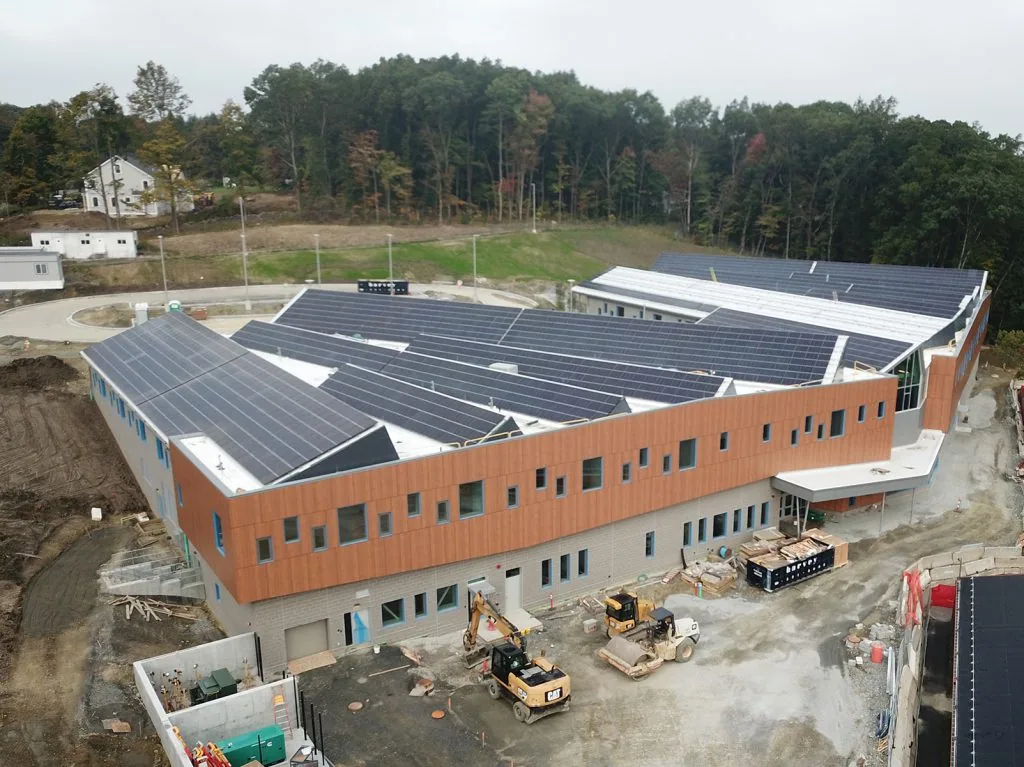
Commercial Roof Capital Planning
Added insulation proposed for renewal can leave the existing gravel-stop edge too low for a suitable new connection. That dimensional finding changes the investment allowance before the field material is selected. We measure the receiving edge and planned assembly on the requested roof in New Braunfels, TX. The owner needs perimeter reconstruction compared with the retained roof and renewal phase. Pricing a new surface without its edge correction would leave required construction outside the funded work.
We inspect commercial roofing and define repair, recover and replacement quantities for capital decisions. The comparison starts with the existing assembly and complete receiving details. Removal, support, new layers and transitions need clear boundaries. The building's operating release then affects handling and phasing. We identify the work each option requires so the next investment buys a usable roof connection rather than an outer sheet with unresolved material beneath or beside it.
Measure the perimeter against the proposed assembly
A gravel stop or other edge detail has to receive the chosen roof construction. Additional layer thickness can change its relationship to the field. We examine available height, receiving attachment and the metal's condition. The proposed edge may need replacement or rebuilding. Its new connection also has to suit the retained wall and drainage. Those measurements belong before committing to material installation across the field.
Perimeter metal reconstruction should include required removal, receiving support and compatible roof transitions. A retained metal cover is useful only where it can serve the new detail. Dismantling may expose damaged material needing correction. Identify that investigation and any supported replacement allowance. The owner should compare the complete edge with the field renewal, including handling necessary to reach the connection above occupied areas.
Compare the receiving construction in each renewal option
Removing the old roof can reveal material needing repair, while retaining it needs examination of suitability for the proposed new assembly. We inspect sheet, attachments and concealed layers where they affect that choice. Wet insulation or weak receiving material can change a recover proposal. A roof that remains in service with local repair needs its own complete correction and useful connection at the damaged boundary.
The scope for a roof recover assembly should identify retained layers and required preparation. The scope for removal and full roof reconstruction identifies the receiving deck and rebuilding above it. Neither comparison should omit edge or penetration changes caused by the new assembly. We measure those differences so the owner can assess workable construction rather than two prices for unlike outer surfaces.
Apply building use to the renewal release
For a requested operating addition or roof renewal, equipment interfaces and future construction access need review before the field closes. We examine the actual receiving assembly and proposed openings. The capital allowance should identify where equipment or support work must precede roof closure. The planned building change and its roofing connections need a coordinated investment decision.
Live Oak includes Gateway Plaza and Live Oak Crossing within its retail building stock. At a requested retail property in Live Oak, perimeter work may require handling above a customer approach or receiving route. We identify the protection and release needed at that particular building. A phased allowance can differ from a wider release. The useful comparison includes both the construction and the practical work needed to install it.
Cibolo's older Main Street commercial district adds another setting for requested renewal work. We examine the actual building's roof edge and handling route. The allowance needs a complete perimeter connection and suitable protection above its occupied approach before removal begins.
Separate layer removal from new installation
The visible sheet area does not describe every removal task. We identify material depths, affected boards and transitions needed at the boundary. Selected openings can establish concealed condition before a final allowance. If inspection cannot reach a particular receiver, identify the examination still required. The owner needs that unresolved material decision before fixing a construction date that assumes retention or reconstruction is already known.
Insulation and cover-board reconstruction should show its connection to retained material. Thickness changes affect both edge height and drainage interfaces. We examine those positions before selecting the assembly. Photographed findings and roof quantities explain the removal boundary and suitable construction beyond it. A capital comparison then includes preparation, installation and permanent closure at the same physical extent.
Choose phases that can complete their own boundaries
A smaller released area can reduce conflict with operations but add handling and temporary transitions. We identify the permanent construction each phase can complete. Its stopping edge needs weather-resistant closure and a practical route for the next phase to meet it. A phase too narrow to rebuild the receiving detail may leave added removal or repeated access later. Compare those tasks before selecting the release solely by the outer sheet area.
For phased renewal above occupied space, equipment outages and protected routes can determine the workable sequence. The owner should know which tasks must be completed together. Assessment of the retained roof assets keeps material outside the current phase identifiable. A later roof change should be examined against that remaining construction, especially when equipment or insulation dimensions alter the next receiving connection.
Carry the completed construction into the next investment
The funded work should identify the assembly installed, layers retained and interfaces rebuilt. Completion photographs show the boundary and accessible connections. The handover also identifies any separate renewal beyond that extent. A local perimeter correction may be complete while another roof field remains in service. Keep those decisions distinct so the next allowance follows actual condition rather than treating the whole building as renewed.
Coordinating roof investment across several buildings requires the same physical clarity at each property. Similar uses may have different decks, layers and edge dimensions. We inspect those conditions before extending a detail or allowance from one building to another. The next decision date should lead to an identifiable examination, correction or phase release. Material choices then follow the suitable receiving construction and the completed work each building needs.
Commercial Roofing Questions
Why can adding insulation change the edge-metal allowance?
The new field height changes how the perimeter receives and terminates the roofing. We measure available height, attachment and metal condition against the proposed assembly. Rebuilding may be needed to form a suitable connection. Include that correction and any exposed receiving damage before comparing the renewal with another option that uses a different layer arrangement.
How should recover and replacement allowances be compared?
Use complete construction boundaries for both options. Identify retained layers, removal, receiving support and new interfaces. Include preparation, protection and work release requirements. The physical scope may differ even where the outer membrane is similar. We explain those differences so the owner can assess the usable assembly each investment produces.
What should be settled before approving a small renewal phase?
Determine which connections the phase can finish and how its stopping boundary will hold weather. Check handling, equipment access and the construction needed at its edge. A narrow release may add transitions or repeated work. Compare those quantities with a larger release before selecting the phase, especially where shared equipment crosses the proposed boundary.
Can a capital plan retain a roof section awaiting further investigation?
Identify the unresolved construction and the examination needed before a final material decision. We distinguish that task from inspected work ready for release. Selected openings or component removal may establish the receiving condition. Carry the investigation into the next decision date so an assumed retained layer does not become a fixed construction allowance without physical support.
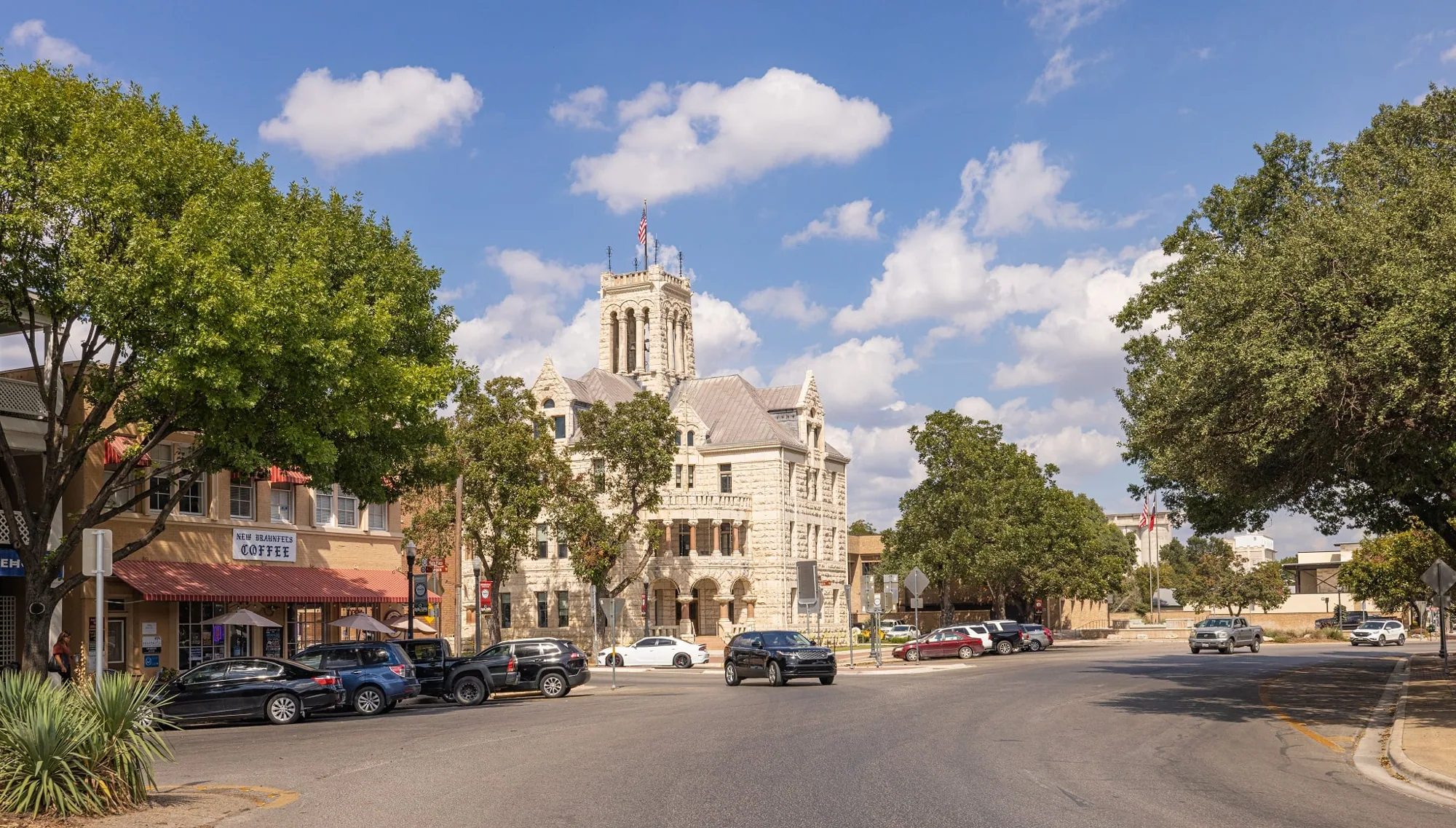
Commercial Roof Capital Planning