Multi-Site Commercial Roof Programs
A bent gutter bracket at one building can change its eave repair while another property's gutter remains properly supported. The same outer gutter profile does not give both buildings the same correction. We inspect the actual receiver and roof edge across the requested properties near New Braunfels, TX. The owner's work program should fund the affected bracket, receiving material and roofing connection at that building. Suitable construction at the next property needs its own examination before another detail is selected.
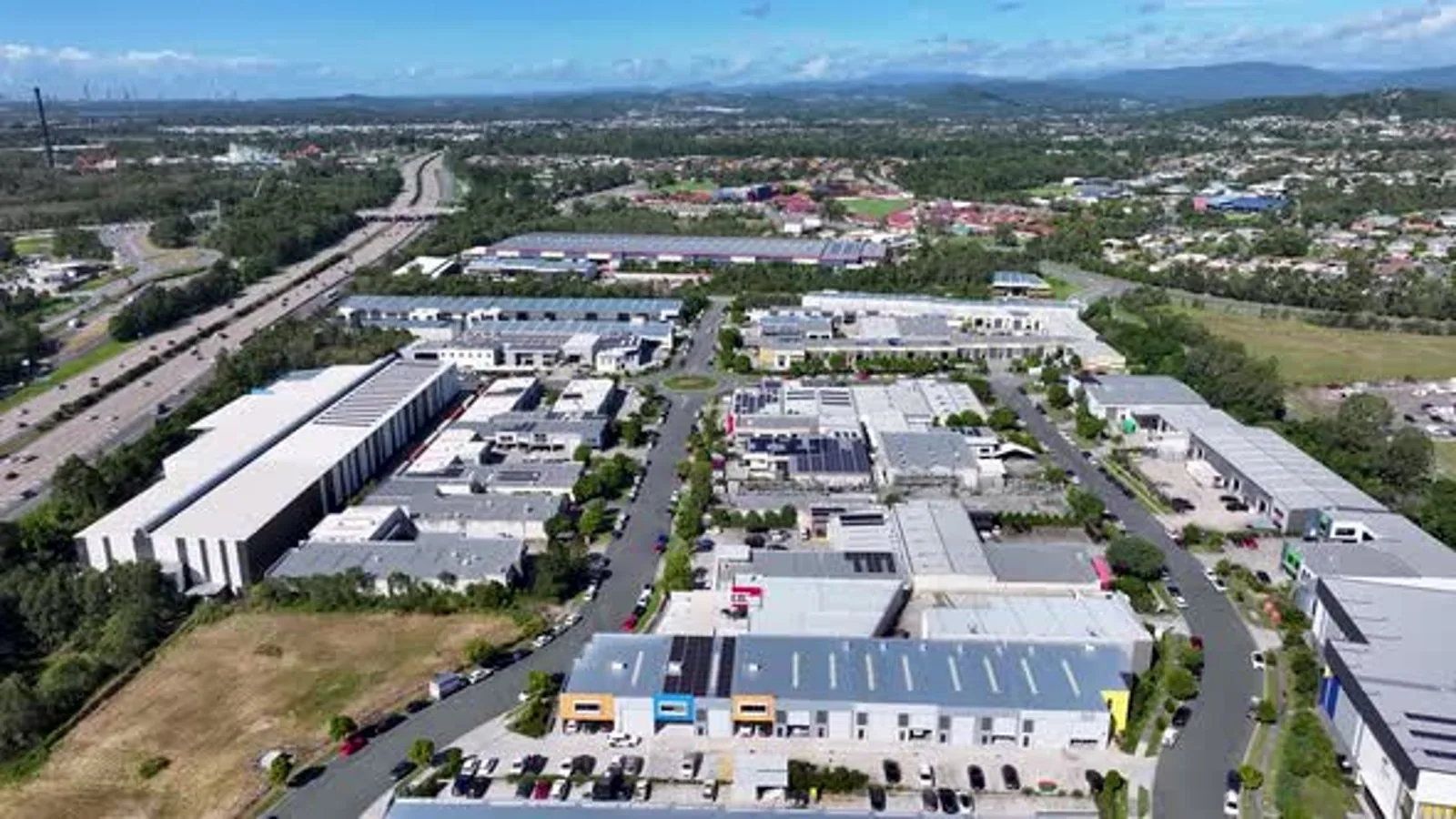
We coordinate commercial roof inspection, repair and renewal across multiple buildings. Each release follows the construction present at its property. Roof material, lower layers and equipment connections can differ even among similar operating uses. We identify those differences through inspection and measured work. The owner receives the correction and remaining investment for each building, with access and sequencing tied to the physical roof rather than a general instruction to use one method everywhere.
Examine the bracket and the material receiving it
A bent bracket can alter gutter position or leave its fastening unsuitable. We inspect the bracket, gutter and receiving fascia or support. Roof discharge should still reach the gutter without passing behind it. The correction may require removing part of the gutter to rebuild its attachment. Disturbed roof-edge material needs compatible restoration. The proposal should identify those tasks before treating the allowance as a replacement bracket alone.
Reconstruction of the affected gutter and roof edge includes the complete receiving connection. We examine adjacent brackets where condition suggests another support problem. Suitable parts can remain if they meet the rebuilt assembly's requirements. Damaged receiving material may extend removal. Identify that extent at the affected building, then examine the next property separately rather than extending the same gutter quantity across the program.
Check material differences before repeating a repair method
Two buildings can have similar visible sheets with different older repairs or lower layers. We identify the system and inspect accessible boundaries before selecting the closure. A compatible local detail at one roof may not meet the next roof's receiving material. The program should carry those physical differences into installation. Preparation, removal and attachment need their own measured allowance wherever the assembly changes.
Inspection of each property's commercial roof establishes the accessible condition and further examination needed. A photographed report for an individual building identifies the affected component and work boundary. We keep the roof areas and findings locatable at that property. A shared program is useful when the owner can authorize the actual correction and recognize what material remains outside it.
Arrange the work around each requested operating site
Schertz extends into Comal, Guadalupe and Bexar counties. Interstate 35 crosses its northern area with access from exits 174 through 180. For a requested property in Schertz, we identify the building's specific handling route and affected roof edge. Another property nearby can have different equipment and occupied approaches. The work release should reflect those actual conditions before gutter or field material is removed.
Marion's business mix includes restaurants, gas stations, a hardware store and a meat market. Roof-edge correction at a requested building there may need protection above deliveries or customer use. We examine the eave and receiving support, then coordinate the affected area with the operator. The allowance includes access that permits complete rebuilding. A convenient work period should not restrict removal so severely that damaged receiving material remains behind a new gutter.
Investigate concealed material at each changed boundary
Water passing behind a displaced gutter may affect edge construction or nearby roof layers. We investigate where that condition changes reconstruction. An accessible opening can establish wet insulation, broken board or unsuitable attachment. The new detail needs a suitable receiver. Dry, sound layers farther from the defect may remain where the assembly permits. The program should identify that removal depth at the affected property rather than assigning one assumed layer quantity to several roofs.
For replacement of damaged receiving roof layers, the rebuilt edge must connect to retained sheet and discharge appropriately. We check changes in thickness and height before closure. If a wider renewal phase is recommended, its boundary and perimeter details need separate comparison. The owner can then distinguish a completed eave correction from field roofing still requiring investment at that same building.
Sequence the repairs by their complete work requirements
A component needing removal or lifting can require another trade before roofing proceeds. We identify that dependency at its building and coordinate the intended date. Another property may have accessible work ready for a separate release. The program should use those actual sequences without holding a necessary correction indefinitely for unrelated work elsewhere. Temporary protection is identified where an exposed condition needs it while permanent material is arranged.
Comparison of repair and renewal investment includes the handling, protection and construction each release requires. Work above continuing use may need smaller phases with additional temporary transitions. The owner should compare those quantities with a broader release that permits complete rebuilding. We identify suitable stopping points and material routes for each property. The completed repair must hold weather at its own boundary before that roof area returns to operation.
Carry completed work into the next property inspection
After the gutter correction, we inspect attachment, receiving connection and discharge at the repaired area. The handover identifies material replaced and adjacent construction retained. Completion photographs show that boundary at the actual building. The next inspection can then examine the restored detail and locate a new condition change separately. A repeated leak elsewhere should not become an assumption that the completed eave repair has failed without inspecting its receiving assembly.
Management of the remaining roof construction keeps later equipment and operating changes connected to the next work decision. Continued maintenance of repaired roof areas should reach the vulnerable gutters, outlets and service approaches identified during inspection. A changed component position can alter drainage or attachment again. Review that physical change before extending an old correction, with the material and complete receiver needed at the new work boundary clearly identified.
Commercial Roofing Questions
Can a gutter detail be repeated across all our buildings?
Inspect each receiver, edge height and gutter support first. A similar profile can meet different fascia, roofing and attachment conditions. We identify suitable construction and the complete correction at each property. Repeating dimensions without those checks can leave the next gutter or roof connection unsuitable even where the first repair is useful.
How should one building's concealed damage affect the rest of the program?
Investigate comparable vulnerable details where their condition warrants attention, while keeping each property's findings distinct. We measure the exposed damage and further examination needed at the affected roof. Another building may retain suitable layers. Its removal allowance should follow its inspected construction rather than the depth opened elsewhere.
Should repairs wait until every property can share one release?
Compare the affected condition and the complete sequence at each building. A roof needing immediate protection or local correction may require its own work date. Another may need equipment access arranged before renewal. We identify those dependencies and suitable stopping points. The owner can then coordinate practical releases without leaving an unresolved opening waiting for unrelated work.
What should be retained after completing a multi-property repair phase?
Keep material, reconstructed boundaries and completion photographs identifiable for each building. Include lower layers replaced and separate work remaining outside the phase. The next inspection should examine current conditions against those completed corrections. That physical history helps coordinate later investment without treating every roof as renewed simply because several buildings shared a work program.
Multi-Site Commercial Roof Programs