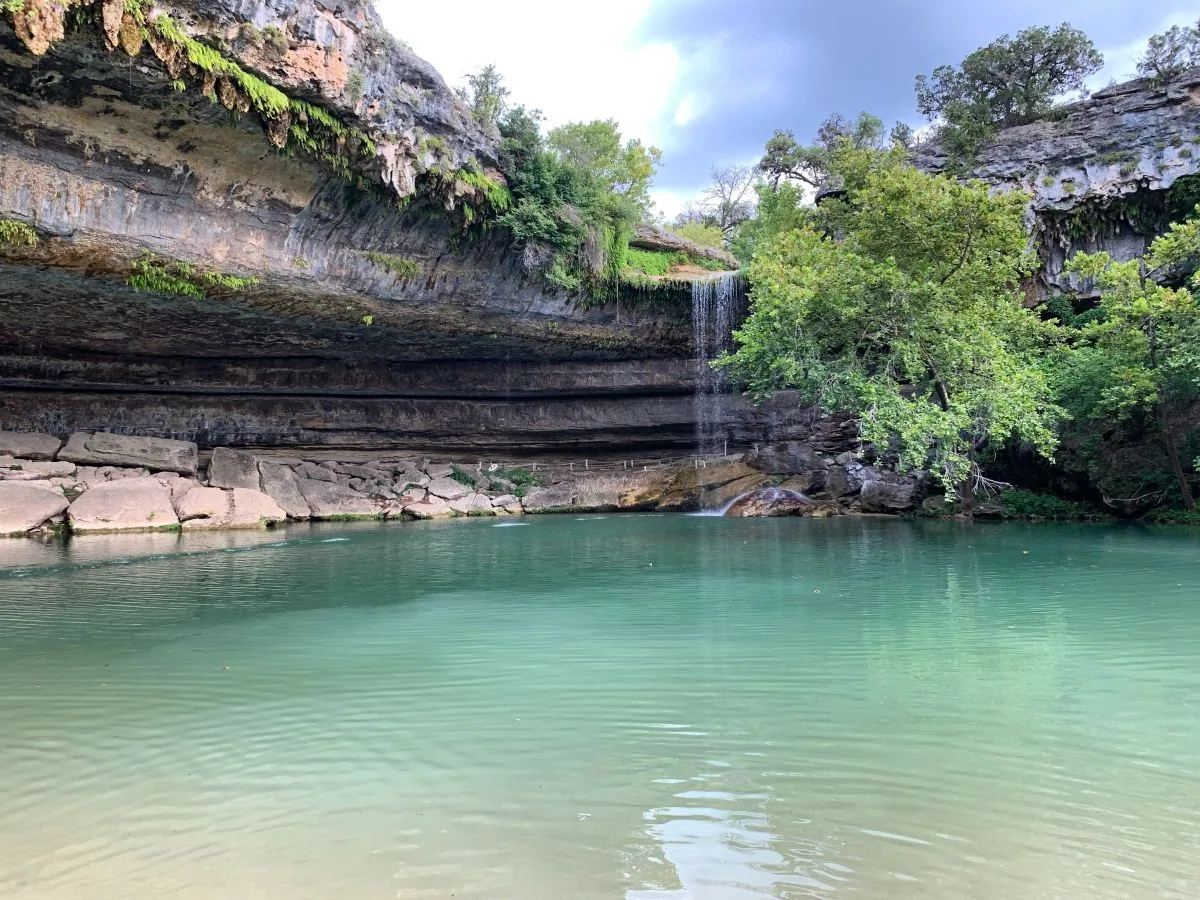
Lake Dunlap
A drain bowl that sits below the finished membrane can hold water against a seam after the field looks dry. We inspect the outlet and layers before setting the repair line. Lake Dunlap is a census-designated community along Farm to Market Road 725, bordered on its north and west by New Braunfels. That connection makes access planning straightforward to discuss, but the actual building still controls roof type, work hours and repair quantity.
We identify the installed membrane or metal, then check seams, curbs, edges and drainage beside the reported condition. A patch only works when its termination reaches sound material. If the cover board or insulation has changed, removal may extend beyond the visible symptom. Our commercial roof inspection documents the finding and quantity. A condition report gives the owner a basis to compare repair with the next renewal phase.
Keep community geography separate from roof findings
Farm to Market Road 725 and New Braunfels' borders on the north and west locate Lake Dunlap; neither establishes the roof assembly at an individual property. Summer heat and humidity in Comal County make the receiving surface part of each day's readiness check. We check the surface and substrate before welding or coating, then confirm staging with the operator. We confirm the property, inspect its field membrane and perimeter, and note any changes from earlier repair records. The route, building access and staging point are confirmed with the operator before material arrives.
New Braunfels Independent School District serves Lake Dunlap residents. That relationship may help an owner identify a regional operating context, but it does not establish access at a specific school or the roof condition there. We request building plans, leak dates and prior scopes from the owner. At the roof, we inspect the affected area and the connection that could carry water into the interior. If a second building is included, it receives its own notes, quantities and release plan rather than inheriting another site's findings.
Measure the outlet before choosing a roof layer
Water leaves through a path of slope, drain bowl, clamp ring and connected pipe. We look for a low area approaching the outlet, a loose strainer, a membrane termination that has lifted or a discharge connection that leaks below the roof. A clear grate is not proof of a sound flange. We record the detail that changed and include adjacent flashing when it belongs in the repair. Our drain and scupper work can rebuild the outlet connection with the surrounding membrane.
Finished height also matters. An added roof layer can leave a drain too low or reduce the flashing height at a curb. We measure those transitions before comparing a recover with replacement. A roof that cannot drain after the proposed work does not support a durable scope. If an interior stain appears away from the outlet, we trace seams and insulation between the two locations. The roof-side boundary follows the route and the material found at an approved opening.
Choose test openings from the condition pattern
A soft spot, lifted seam or thermal pattern can help select a place to examine, but it does not tell us which layer is wet. We can use an infrared moisture survey to compare surface patterns when conditions support the method. Test cuts then show the deck, insulation and cover board. We photograph the layers and mark the area that can stay. If the opening shows wet material beyond the original line, we measure that added removal before the scope changes.
For a small failure surrounded by dry, secure material, a local repair may be enough. A larger wet area or loose membrane can change the investment toward a broader renewal phase. The owner receives separate quantities for the first correction and any wider work. A temporary emergency repair can protect the interior while those permanent quantities are confirmed. It remains a temporary measure until the receiving sheet, attachment and edges can be rebuilt and inspected.
Set the daily closure around building use
The operator identifies occupied rooms, equipment that must remain active, access limits and the time a roof area can be closed. We choose daily work zones that can reach a complete tie-in before the crew leaves. The staging area and material path are agreed before work begins. If a shift ends with an incomplete perimeter, temporary protection must be secured to the assembly and forecast. We list the next release time so staff know when the area is ready for normal use.
On a larger renewal, occupied-building sequencing can move by drainage area with each zone inspected before release. Interior protection, noise and roof access may set the order. The roof plan should name what is opened, what remains and how water moves during each stage. A change in equipment location or delivery access can move a date, so the owner receives the revised sequence while there is still time to secure each day's closure.
Match the repair method to the installed material
Thermoplastic seams need clean material that can accept a weld. EPDM requires compatible preparation at seams and flashings. Standing-seam metal calls for a review of panel joints, clips and fasteners. We confirm the existing system before selecting the patch, adhesive or replacement layer. A coating cannot correct a loose base or submerged drain. It enters the comparison only when the retained surface is compatible, dry and stable enough for the specified finish.
If the assembly can remain, coating restoration may be considered after adhesion, moisture and drainage checks. If the deck or insulation has changed, a replacement scope may be more appropriate. We compare insulation, cover board, edge metal, curb height and outlet transitions alongside the membrane. An EPDM roof system or another assembly is selected for those details, not simply because its name is familiar. The owner sees what is retained, removed and rebuilt before approving installation.
Leave each completed zone ready for review
We inspect the completed seam, flashing, outlet and perimeter before releasing a work zone. Photographs show the exposed material at an approved test cut and the finished tie-in. The closeout identifies the building, roof area, system, repair quantity and date. Any unresolved condition receives a separate next action. A future leak can then be compared with the earlier boundary, rather than treated as the same problem by default.
Lake Dunlap and nearby New Braunfels share geographic context, but each roof retains its own construction and records. An owner coordinating more than one building can use commercial roofing in New Braunfels and roof service in McQueeney as nearby location references while keeping each property's inspection separate. The report gives a capital team a clearer next step: complete a measured local repair, fund a larger removal or schedule another opening when the next decision window arrives.
Commercial Roofing Questions
Does Lake Dunlap's location along FM 725 affect a roof repair?
The road helps orient the property and service access, but the operator confirms the actual staging route and loading area. We inspect the roof assembly, identify the failed detail and measure the correction. A traffic route does not set the repair boundary. The scope follows the membrane, insulation and drainage conditions at the building being reviewed.
Can a drain be rebuilt without replacing the whole roof?
A drain correction can stay local when surrounding membrane and insulation remain secure and the new connection can terminate on sound material. We inspect the bowl, clamp ring, slope and discharge route. If the field is wet or the membrane has detached beyond the outlet, we measure that area before pricing a larger correction.
What does a roof inspection include for a multi-building owner?
We record each building separately: installed material, affected roof zone, drainage, prior patches and any layer change at a test opening. The report lists an immediate correction and remaining work as distinct quantities. Shared ownership can coordinate timing, but it does not make the assemblies or repair boundaries identical.
When can an occupied roof area return to normal use?
A zone is released after its permanent membrane tie-in, flashing and drainage details are closed and inspected. If weather requires temporary coverage, the area remains on a separate return schedule. We coordinate the release time with the building operator and identify any remaining condition that needs an additional visit.

Lake Dunlap