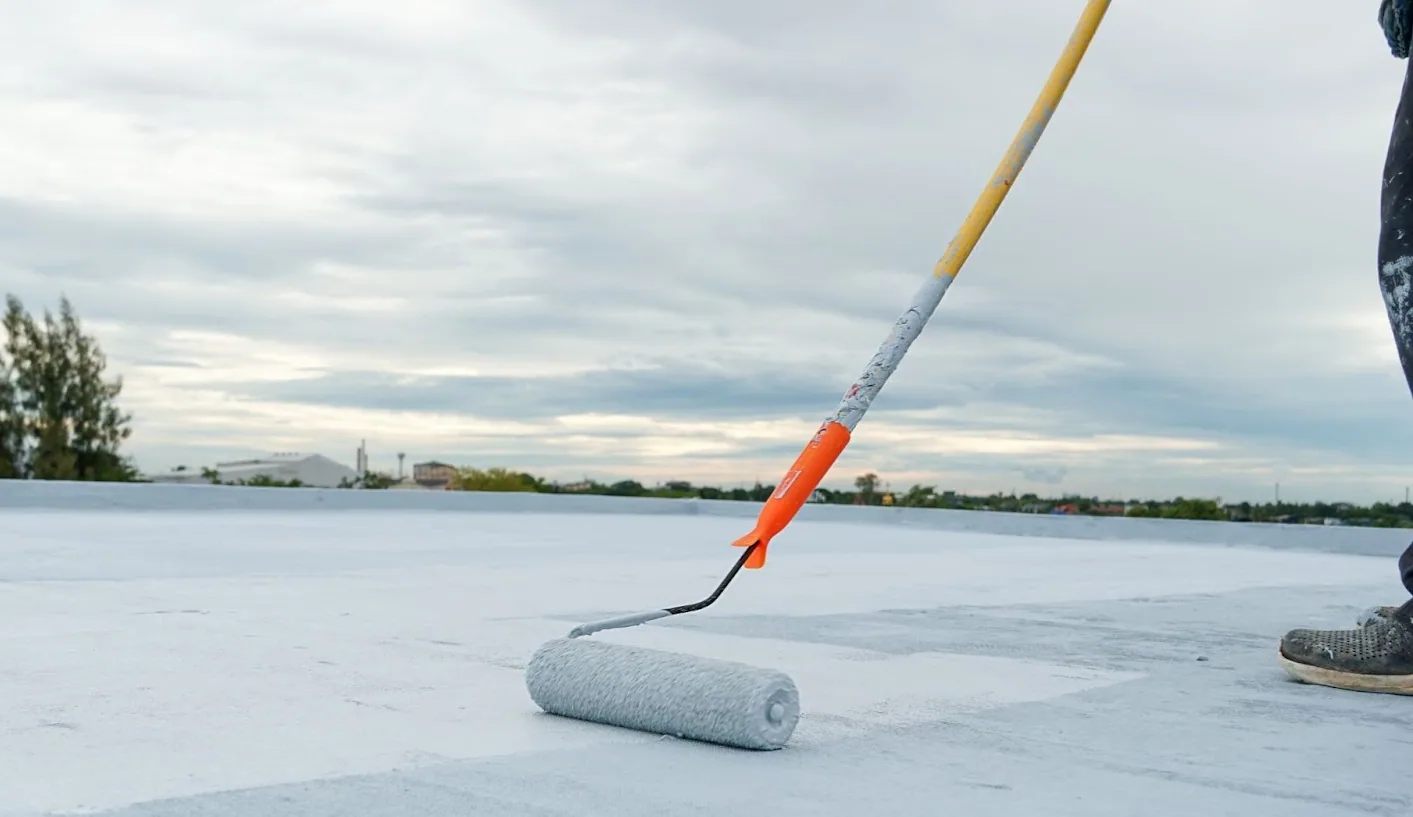
Commercial Silicone Roof Coatings
A thin, scuffed silicone area beside equipment access needs a measured local rebuild before wider recoating. We assess the remaining bond and the protection required along that route. Silicone roof coating work in New Braunfels, TX, should distinguish film damage from deterioration beneath it. The useful scope repairs the affected layer and identifies what remains suitable. Another broad application may be unnecessary where a sound coating field can remain.
Commercial Roofing New Braunfels evaluates and installs silicone restoration systems on eligible commercial roofing. We inspect the receiving material, existing coating and detail conditions before selection. Suitable preparation and repair quantities belong in the investment comparison. Damaged substrate or wet layers need their own correction. A new silicone finish should protect useful construction rather than conceal material that already needs removal and rebuilding.
Measure the worn area against the retained coating
Traffic and contact can wear coating at service routes while other areas remain suitably bonded. We examine the exposed material and the boundary of the affected film. A compatible local correction may restore that area. Protection appropriate to the system can also address recurring service demand. The detail must preserve drainage and access. Placing loose protection over a vulnerable spot can leave debris or another wear condition beneath it.
We connect the coating repair with care of the equipment service route. The maintenance task should examine the repaired boundary and adjacent connections. A scuff crossing a membrane opening may need repair beneath the coating as well. Those are separate material quantities. The owner should see the weathering-film correction and any assembly rebuilding rather than receive one broad recoating allowance for unlike conditions.
Establish a compatible application surface
An existing silicone coating needs preparation appropriate to the proposed renewal system. Cured surfaces can limit adhesion of incompatible materials. We examine the finish and assess cleaning, removal or primer requirements where applicable. Trial adhesion work may help establish the method. A suitable application needs the coating to bond to an eligible receiving surface, not merely spread across its visible area.
We assess complete coating restoration preparation before field work. Deteriorated old film can enlarge the removal quantity. Exposed roofing underneath then needs compatibility and condition assessment. Different construction may require another material choice. The owner can compare that preparation with broader renewal rather than approve surface application first and discover that much of the existing coating cannot provide a suitable base.
Review the exposure beside each outlet
Silicone systems may permit certain prolonged water exposures under their requirements. That suitability does not correct roof slope, a blocked drain or a failed outlet connection. We assess the water route and the selected system's limits. A low area caused by damaged support may need rebuilding. The coating should serve the geometry that remains after necessary drainage work, not replace the correction of an unsuitable base.
We compare an acrylic restoration option where exposure permits it. The systems have different application and water-exposure requirements. A roof using spray foam beneath its protective finish also needs assessment of the foam condition. The useful choice follows the complete assembly. Coating tolerance at one exposure cannot establish that all layers beneath it remain dry, stable or appropriate for retention.
Rebuild damage before closing the surface
A separated seam or damaged flashing needs a suitable repair detail before the field receives coating. Reinforcement and compatible materials may be part of the selected system. The underlying connection still needs examination for movement and support. Coating over an unstable joint leaves that mechanical condition unresolved. We define the repair boundary and identify the sound material needed to receive the restored finish.
Suspected wet layers warrant moisture assessment appropriate to the roof where further investigation changes the work. Confirmed damaged material can require local removal and rebuilding. The repaired base must then fit the coating system. That sequence lets the owner compare necessary assembly work with wider restoration. A firm-looking top film should not be the sole basis for retaining material that the examination identifies as unsuitable.
Release coating work above occupied education
For coating work above an educational property, preparation and occupied access need coordination. Equipment service, openings and application requirements can affect the release. We examine the actual roof and the activity beneath the work. A local repair can still need protection where surface preparation exposes an affected detail.
Garden Ridge's elementary school is opposite the municipal complex. For silicone restoration above school use, the film and substrate decision must fit the installation window and operating needs. A property in Cibolo receives its own condition assessment, just as one in Garden Ridge does. We identify the suitable retained material and repair quantities before selecting the phase, keeping weather protection and occupied activity connected throughout the release.
Separate local restoration from a new field application
Widespread film deterioration can make field restoration useful where the substrate remains eligible. Scattered service wear may support narrower corrections. We assess their distribution and the bond between affected areas. Preparation, access and detail repairs can drive cost as much as the coating quantity. The owner should compare what the proposed application restores and which material continues in service beneath it.
Hot summer conditions and humidity in Comal County affect preparation and the coating's application window. Surface moisture and the selected cure requirements need assessment at the roof. We also review completed work against the system's thickness and detail requirements using appropriate application checks. The next investment should leave compatible, useful protection over suitable construction. Future equipment work can reopen that surface, so its timing belongs in the restoration comparison before the wider field is coated.
Commercial Roofing Questions
Can a worn service route be restored without recoating the whole roof?
Suitable adjoining film and substrate may support a localized correction. We examine the damaged boundary and compatibility of the proposed material. Protection can also be useful where recurring access contributes to wear. Broad deterioration elsewhere can change the recommendation. The work quantity should follow the area needing restoration and any damaged construction below it, rather than automatically include the entire field.
Will any coating adhere to an existing silicone finish?
The proposed material needs a compatibility and preparation assessment. Existing cured silicone can be unsuitable for another finish without the required treatment or system choice. We examine the receiving surface and use appropriate trial work where needed. A broad application should not proceed over a failed bond condition. The useful comparison includes preparation and removal, not only the new coating quantity.
Does silicone mean a ponding area can stay unchanged?
Assess the cause of retained water and the selected system requirements. Compatible coating may tolerate an allowed exposure, but it cannot improve slope or rebuild a damaged drain detail. We identify those separate quantities before application. The roof's geometry and base still need suitable condition, so a material choice should not conceal a drainage correction that remains necessary.
How is required coating coverage checked during application?
The selected system establishes application and finished-thickness requirements. We use appropriate field checks and material handling controls for that method. Detail treatment needs its own attention rather than being inferred from field coverage. The owner should compare a complete specified restoration system, with the preparation and repairs needed to support it, instead of treat any visible film as equivalent construction.
What if a firm coating conceals wet insulation?
The affected insulation needs a defined examination and removal decision. Restoring the top film does not rebuild that damaged layer. We assess the surrounding area and identify suitable material for the repair boundary. Local rebuilding may support broader coating where the remaining assembly is eligible. Widespread concealed damage can change the next allocation from restoration to another renewal method.

Commercial Silicone Roof Coatings