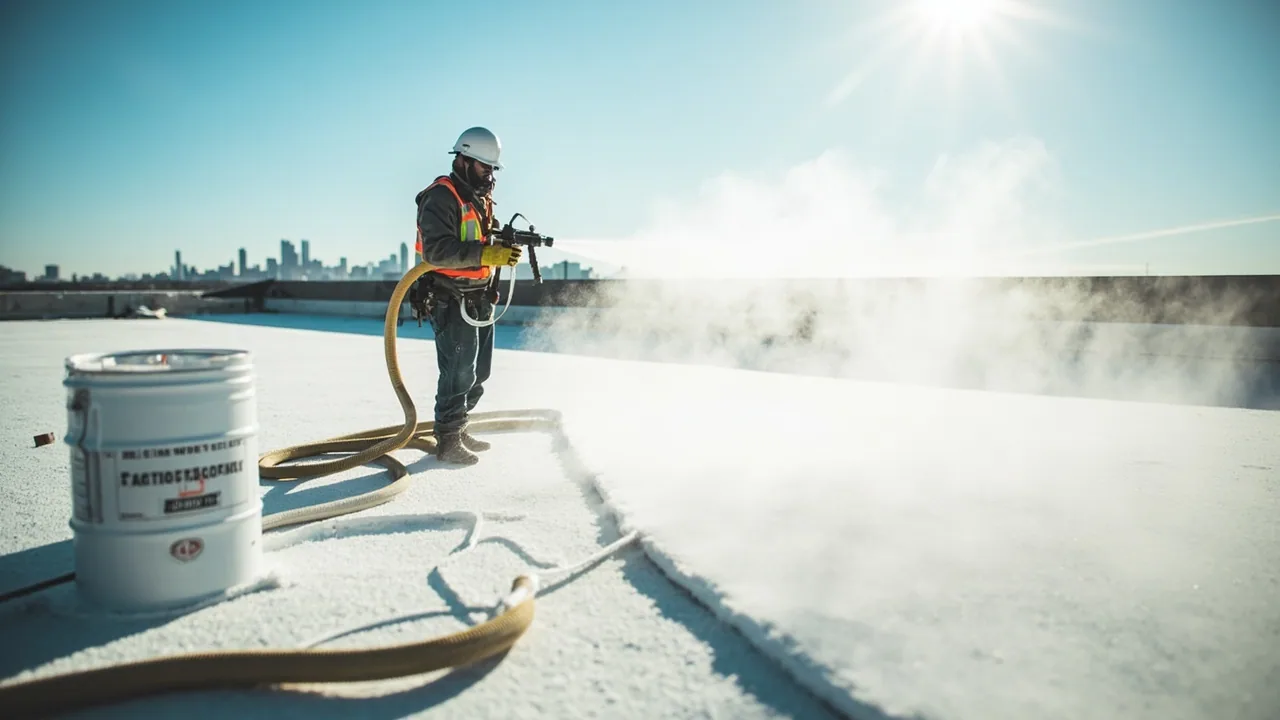
Commercial Spray Foam Roofing
Moisture within foam exposed at an opening changes the removal boundary beneath an apparently firm coating. The affected base needs examination before another finish is applied. Spray polyurethane foam roofing in New Braunfels, TX, combines the foam layer with suitable protective weathering material. We assess both. A coating correction and a foam rebuild are different quantities, even where they occupy the same visible roof area.
Commercial Roofing New Braunfels installs and repairs spray foam commercial roofing assemblies. We examine the receiving construction, foam condition, drainage and protective surface. Suitable retained material may support localized work. Damaged foam or an unsuitable base can require broader removal. The owner's investment should restore the assembly beneath the finish, rather than extend another surface treatment across layers that no longer provide a useful roofing base.
Expose the material requiring removal
A damaged coating can allow water into foam where its condition no longer protects the assembly appropriately. We inspect openings, surface wear and suspect areas. Physical examination may be needed to establish moisture or deterioration below the finish. The boundary should follow affected material and the suitable construction beyond it. An intact-looking coating beside the defect can still warrant examination where the underlying condition would change the work.
We define the foam removal separately from the surrounding coating quantity. A suitable local rebuild can restore the affected base and reconnect to eligible material. Broad deterioration can favor a larger renewal phase. An appropriate moisture investigation may support assessment where the assembly and conditions permit useful results. Physical findings remain important to the material decision. The owner should not need to infer a removal specification from the appearance of the top finish alone.
Establish the receiving surface before spraying
Foam installation needs a suitable substrate, preparation and application conditions. We assess surface condition, contaminants and moisture before the work release. Loose or deteriorated layers may need removal. The selected assembly requirements determine whether existing roofing can remain. A continuous sprayed surface cannot establish a suitable base where weak construction or incompatible retained material remains beneath it.
We coordinate supporting layer corrections where the proposal requires them. Appropriate assembly and loading assessment also matters for retention. Substrate transitions and rooftop details need examination before spraying closes them. The preparation quantity can materially affect the renewal comparison. An owner choosing between retention and removal should see that work clearly, rather than compare foam application alone with a full rebuilding scope from another method.
Build the surface around a workable water route
Foam can be applied within a system designed to form suitable surface geometry. The layout still needs drainage assessment. Outlets, curbs and obstructions determine where water must travel. We examine those relationships and the connection requirements before defining the work. Raising material beside an outlet can create a retained pocket unless the finished elevations and discharge route are addressed together.
The scope may include drainage and sump rebuilding alongside foam work. Raised details must retain suitable flashing relationships after the new surface is formed. A membrane or metal interface adjoining the foam needs a compatible transition. The useful correction should provide continuous weather protection without burying a detail that needs service. The owner can then compare the local shaping quantity with the supporting and outlet work necessary to make it effective.
Protect the foam with a compatible system
Roofing foam needs suitable protection from weather and ultraviolet exposure. The selected coating system and its details serve that role. We assess preparation, compatibility and the required application condition. Existing coating wear can need restoration where the foam beneath it remains suitable. Damaged foam needs rebuilding first. The finish should not be treated as a substitute for replacing material that has lost its useful condition.
We compare a silicone protective coating with an acrylic roof coating system where appropriate. Each has its own exposure and application requirements. Drainage, surface condition and operating use affect selection. The owner should compare the complete protective system, including detail treatment and preparation. Choosing a finish by color alone can leave the roof without a useful compatibility or anticipated-exposure assessment.
Control the release above occupied commercial activity
Antique shops form part of Geronimo's business mix. Spray application on an occupied commercial property needs assessment of exterior activity, nearby goods and material handling. Overspray control and suitable environmental conditions are practical work requirements. We identify the area needing protection and the safe application release. Wind or unsuitable conditions can change whether that phase should proceed.
Marion includes restaurants and gas stations. For foam roof work above food-service use, equipment, ventilation and exterior access can influence the preparation and application plan. A property in Geronimo has its own occupied conditions, just as one in Marion does. We assess the actual work boundary rather than use a common application schedule without accounting for the activity beneath and around the roof.
Compare recoating with foam rebuilding
Localized surface wear can support a different investment from broad foam deterioration. We examine the material between damaged areas and identify what each method retains. Eligible foam may remain useful beneath a suitable coating restoration. Wet or deteriorated areas need defined removal. Broad rebuilding may become more practical where scattered corrections would leave uncertain material or an unsuitable receiving surface.
Comal County summers bring humidity and heat into the application window. Surface and weather conditions must suit the selected materials. We compare those needs with restoration of eligible existing roofing and other renewal work. Access, protection, preparation and damaged-layer removal can drive the expenditure. The next investment should restore useful foam and complete weathering protection, with the remaining material and future service needs identified before the finish closes the decision.
Commercial Roofing Questions
Can an intact coating remain over foam found wet at a test opening?
The affected foam needs assessment of its boundary and condition. An intact surface does not rebuild moisture-damaged material beneath it. We examine adjoining areas where the result changes retention. Local removal and compatible rebuilding may be useful. Broader damage can favor renewal. The owner should see the foam quantity separately from the coating that restores its weather protection.
Why does a foam proposal include substantial surface preparation?
Sprayed material needs a suitable receiving construction and application surface. Dirt, moisture, loose layers or incompatible previous work can affect the installation. We assess those conditions before spraying. The preparation may require cleaning, removal or supporting repairs. That quantity belongs in the comparison so an apparently simple application does not leave the new assembly dependent on an unsuitable retained base.
Should recoating and foam replacement be approved as the same task?
They restore different parts of the assembly. Eligible foam may need renewed protective coating, while wet or damaged foam can require local removal and rebuilding. We identify those boundaries and connect them in the finished system. Treating both as one surface quantity can hide necessary base work. The useful scope should show what material remains and what must be replaced.
How does occupied exterior activity affect a spray application release?
Assess nearby people, equipment and materials alongside the application conditions. Suitable protection and an appropriate work boundary are needed to control overspray and exposure. Wind and weather can change the usable window. We coordinate those conditions with the building operator. The release should fit safe application, not merely the date assigned to a broad roof phase.
How should foam repair meet an adjoining retained metal area?
The transition needs a detail suited to both constructions. We examine movement, support and receiving material before choosing the closure. Spraying across an unsuitable joint can conceal rather than rebuild that interface. Local flashing or supporting correction may be necessary. The repair quantity should include the connection and suitable material on each side, not only the foam applied between them.

Commercial Spray Foam Roofing