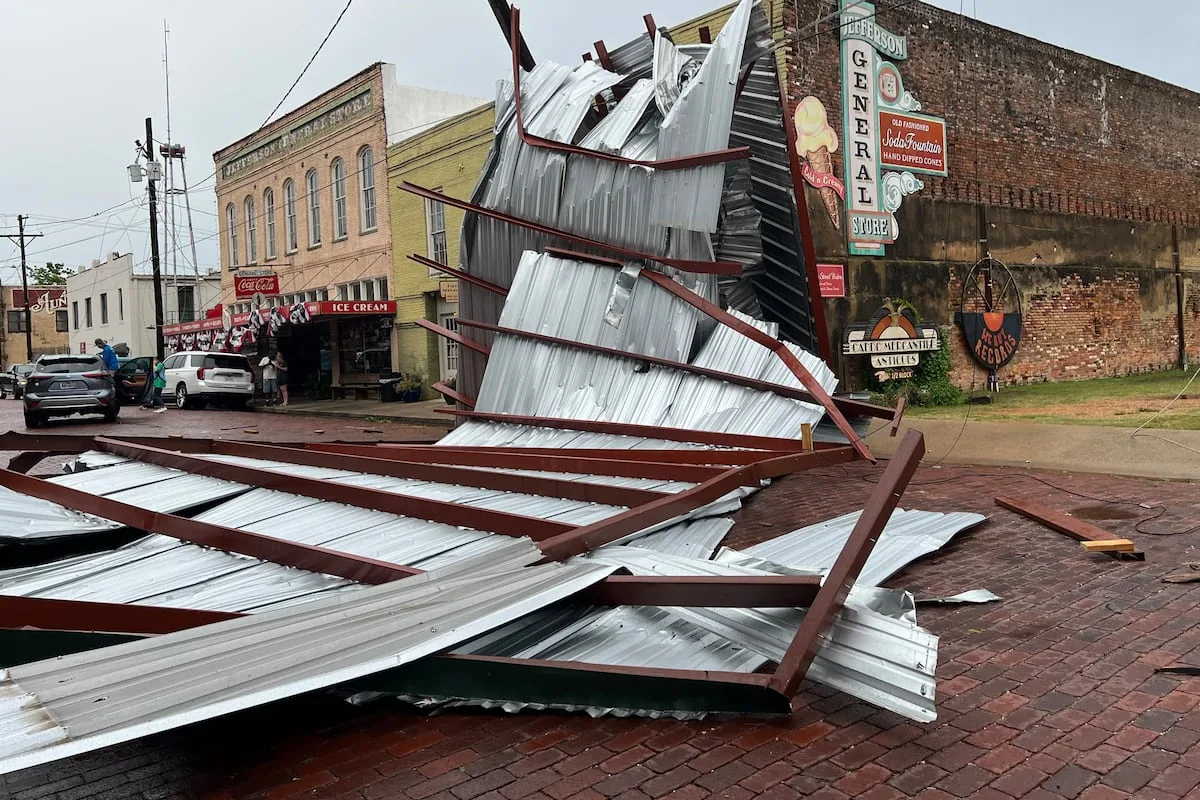
Wind-Damaged Commercial Roof Repair
A displaced roof hatch lid with a damaged hinge connection can expose the access opening while its curb flashing remains attached. The immediate correction needs secure weather protection at the opening. The next investment depends on the lid hardware, receiving curb and affected roof layers. We examine those components separately on a requested building in New Braunfels, TX. Replacing sound field membrane would leave the damaged hatch closure unresolved.
We inspect commercial roofing after wind-related condition changes and repair the assembly the examination identifies. Loose components also need a safe work approach before close inspection. We coordinate protection and access with the building operator, then measure the material requiring reconstruction. A permanent repair should restore the opening, its roofing connection and any damaged receiving layers. The retained field needs its own condition assessment before a wider renewal is recommended.
Secure the access opening before examining its boundary
A loose hatch lid can move during access and leave an unprotected fall opening. We assess the approach before work proceeds. The responsible personnel must provide suitable opening protection and control the displaced component. Temporary weather protection needs support capable of receiving it. Simply laying material across the opening may leave it vulnerable to movement or send water into the interior. The closure should suit the opening and anticipated exposure.
Temporary repair of an exposed roof access opening can be needed outside ordinary operating hours. Our response is available through nights, weekends and holidays. Interior protection or electrical isolation may require another responsible trade. We identify those tasks alongside the roof correction. Once the immediate opening is protected, the investigation can reach the hatch connection without treating the temporary closure as completed permanent reconstruction.
Inspect the lid connection and receiving curb
A pulled hinge fastener may leave damaged holes or distorted metal. We examine the receiving construction and the lid's alignment. The hatch repair needs suitable hardware and attachment, with component selection handled according to its requirements. A bent receiver can prevent the lid from seating against its weather seal. Correcting that receiver may be necessary even where the membrane flashing around the curb has remained serviceable.
The roof flashing around a raised access curb receives a separate inspection. We check for strain, tears and failed termination at the curb. If the hardware repair requires opening that flashing, the scope includes compatible reconstruction rather than leaving its restoration to an undefined later task. A useful connection also preserves adequate height and drainage around the curb. Retained sheet must be suitable for the new detail.
Trace damage beyond the displaced component
A lid or other loose part can strike roofing as it moves. We examine the accessible surrounding field for cuts, abrasion and disturbed seams. Marks need closer assessment where the sheet's continuity is uncertain. Selected openings identify concealed damage if it changes removal. A small visible cut can require wider rebuilding when wet or broken board extends beneath it. The repair edge should reach sound material suitable for a complete connection.
For restoring membrane damaged by a sharp impact, we identify the sheet and any older patch materials before choosing the closure. An opened membrane seam needs its own compatibility and receiving-condition check. Those tasks may form part of the same wind repair, but their quantities should remain clear. The owner needs to know which damage was rebuilt and what surrounding assembly remains in service.
Assess the requested building's operating access
Downtown New Braunfels combines music venues, galleries, cafes and boutiques. A requested roof there may need handling above an occupied approach or shared service area. We inspect its actual access and locate the affected opening before arranging removal. A loose component near a pedestrian route needs control before permanent work begins. The protection allowance follows that location, including any alternate route needed to keep operating use separate from the work.
Marion's commercial uses include a hardware store, restaurants, gas stations and a meat market. At an affected property in Marion, the roof release should consider the building's deliveries and equipment. We identify where the displaced component can be lowered and where replacement material can reach the opening. Restricting the work area is useful only if it still permits complete examination and reconstruction of the damaged connection.
Compare local reconstruction with the remaining attachment
A hatch failure may remain local, or its inspection may reveal other assembly defects. We examine adjoining roof attachment and material condition before proposing broader removal. Repeated loose connections, damaged support or extensive concealed deterioration can alter the renewal boundary. The comparison needs measured findings. It should distinguish hatch hardware, curb reconstruction and field roof work rather than combining them under one replacement description.
Photographed assessment of the remaining roof helps define that difference. We identify inspected areas and any connection still requiring access. For an owner comparing replacement of a wider roof section, the retained construction and new perimeter details belong in the allowance. A wider assembly also needs suitable hatch and penetration interfaces. Changing the field sheet alone would not correct an unresolved receiving curb.
Check the permanent closure before returning the hatch to use
The restored hatch needs a working lid connection and weather-resistant seating. Its responsible installer checks the component operation. We examine rebuilt flashing, membrane edges and drainage around the curb. Any lower layers opened during repair need suitable replacement before closure. Temporary protection should remain until those tasks are complete. The handover identifies the restored opening and roofing boundary with photographs of the completed detail.
A later service visit can disturb the repaired approach if tools are placed against the flashing. We identify compatible protection where access puts stress on the membrane. Keep the hatch component information with the roof repair material and dimensions. If another condition change occurs, those details help determine whether the installed opening needs work or damage has developed elsewhere. The next investment then follows the affected construction rather than repeating an unchanged surface repair.
Commercial Roofing Questions
Does a blown-open hatch mean the whole field roof has failed?
Inspect the lid, hardware and receiving curb before extending removal into the field. The hatch can need reconstruction while adjoining sheet remains useful. We also examine the nearby roof for impacts and disturbed connections. The repair quantity follows those physical findings. A broader replacement needs support from the remaining assembly's condition.
Can a temporary cover remain while replacement hardware is obtained?
Its suitability depends on the opening, support and anticipated exposure. We identify a practical temporary closure and the inspection it needs while permanent components are arranged. Access through the hatch may need restriction. The temporary work should not obstruct drainage or rely on damaged receiving metal. Establish the permanent correction and intended release date before leaving that protection in service.
What should be opened beneath a nearby membrane cut?
Examine the receiving layers where their condition changes the repair. A shallow mark may differ from a through-cut with wet insulation below it. We make selected openings to establish that boundary, then rebuild them compatibly. Removal should reach sound support and material capable of receiving the permanent closure, including any damaged board beyond the visible cut.
How do you keep hatch work separate from a later renewal?
Identify the component repaired, the membrane connection reconstructed and the field material retained. Include dimensions and repair material with the completion photographs. A future renewal can then assess those interfaces against the new assembly. The owner should compare its required transitions and any remaining damage rather than assuming the local hatch repair already renewed surrounding roofing.

Wind-Damaged Commercial Roof Repair