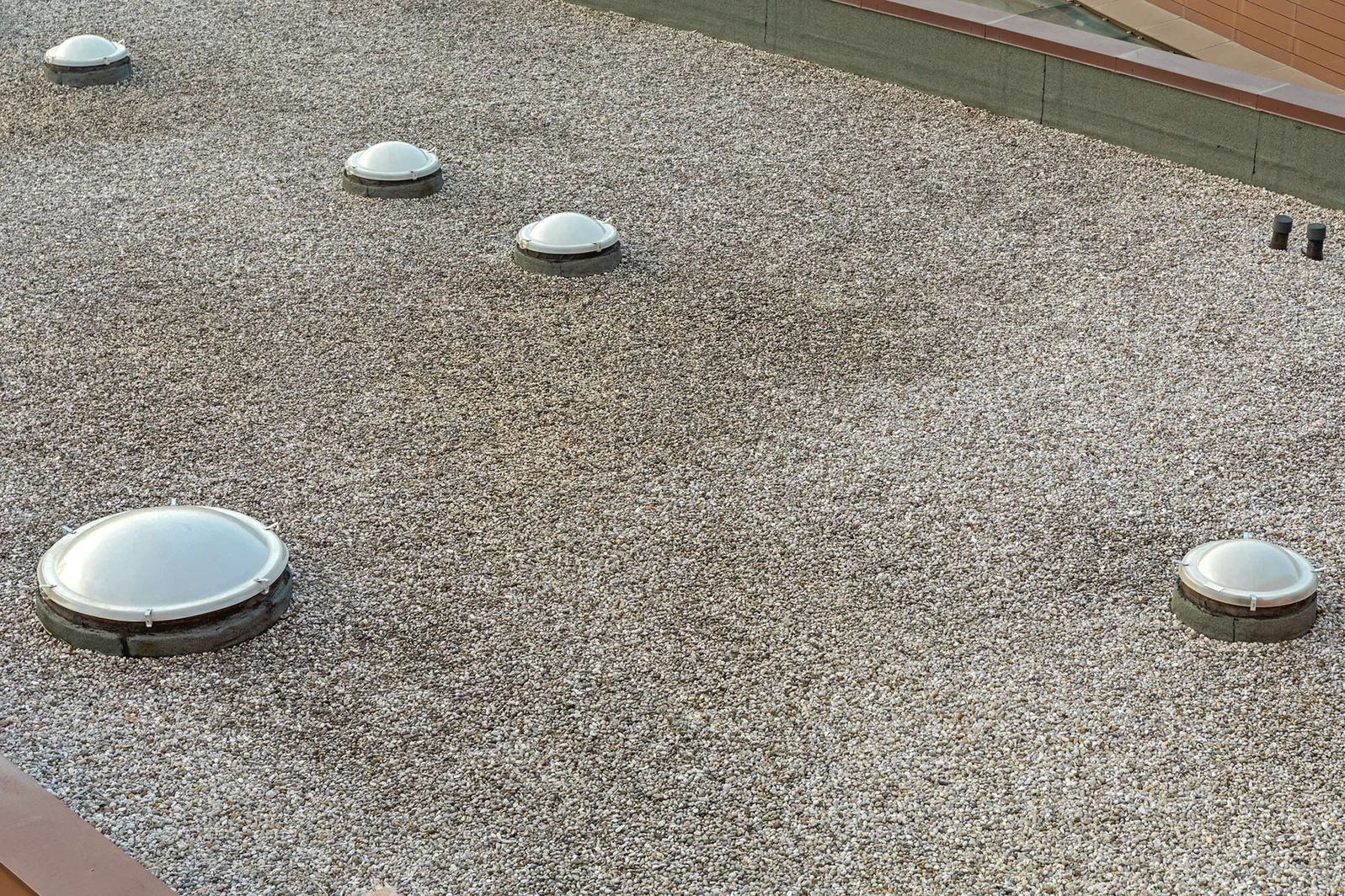
Johns Manville Commercial Roofing
A split at the edge of an older roof repair can change the material choice for the next work order. It may call for a new compatible flashing detail, a broader membrane section, or removal of a patch that is no longer bonded. We inspect the Johns Manville assembly in New Braunfels, TX, and separate the visible defect from the material that can remain. The brand on a submittal does not establish what a later trade added or whether the insulation below is dry.
We identify field sheet, attachment, insulation and repair layers before writing a scope. The recommendation follows what the roof can support, not a product label in isolation. Hot, humid summers documented for Comal County make actual roof conditions important at installation. The surface, substrate and forecast all need a check. Carry the repaired zone and remaining condition into the capital file so the next renewal decision can use the same roof boundary.
Match the assembly to the available records
Johns Manville makes commercial roofing materials, including membrane and insulation products. We confirm the existing assembly from roof markings, construction records, cut edges and repair history. A building may have several roof sections installed in different years. One section can use a membrane while an addition uses another. We mark each area separately, noting where identification is clear and where it remains provisional. That prevents an assumed system from driving a repair that cannot bond to the actual surface.
We compare material age, attachment and the proposed transition before choosing hot-air welding, adhesive work or another compatible detail. If the records leave the assembly uncertain, we may need a controlled sample or written system direction before specifying a repair product. The same discipline applies when the owner is evaluating a Soprema roofing assembly or a Carlisle SynTec membrane. The roof conditions, not a ranking of labels, decide which detail is suitable.
Measure the repair instead of the stain
We trace water entry from the interior report to the roof assembly. A ceiling mark can appear down-slope or beside a penetration, away from the opening in the membrane. On the roof, we check seams, drains, pipe boots, curbs, coping and nearby repairs. We probe the sheet where appropriate and look for movement, trapped water or loose attachment. The work area is marked by measured dimensions, with separate notes for visible membrane failure and any suspect material beneath it.
If insulation may be wet, a condition report or moisture survey can narrow the area before removal. The roof walk records the equipment, routes and access limits that affect openings. A commercial roof inspection can include photographs and a repair ledger tied to the building. We keep those observations distinct from assumptions about hidden layers. The owner can then authorize a local opening or review a broader investigation with a clear reason for each quantity.
Plan around active buildings in the market
New Braunfels combines different operating uses. It does make access, equipment movement, noise and protected routes worth confirming with the actual property manager before an occupied-building repair. We identify the actual property, the approval contact, the affected area and any service window before scheduling a crew.
At Downtown New Braunfels, shops, cafes and galleries operate beside nineteenth-century architecture, with music venues among the same commercial mix. A roof repair near that mix can require a different staging plan from a production facility. We keep pedestrian paths, deliveries and tenant operations in view. When a work area crosses a drain or scupper, a drainage detail review helps confirm that debris or ponding is not being mistaken for a membrane defect. San Marcos lies nineteen miles northeast of New Braunfels. That regional distance helps with dispatch, while the property’s own access rules still set the roof work window.
Keep patch, replacement and recovery separate
Retain surrounding JM sheet only where its receiving surface is sound, the defect has a measurable edge and underlying layers can support the new connection. Replacement becomes a stronger comparison when seams, flashings, insulation or attachment show connected failure across a wider area. Recovery is different again. It retains an existing roof layer, so the assembly must be dry and suitable, the structure must carry the added materials, and edges and penetrations must accept a new system. We do not describe those options as interchangeable.
We list quantities for membrane, cover board, insulation, edge metal, drains and temporary protection. Access, disposal, lifts, occupied-area protection, permit review and trade coordination affect time and cost. Before a capital scope changes insulation or assembly layers, the owner confirms the local submittal path and inspection schedule with New Braunfels Building Safety. Those checkpoints affect the release date, so we include them before mobilization. Owners can compare a defined recover scope against removal and replacement when the inspection supports both.
Carry the product decision into closeout
Before the repair is covered, we check the receiving surface, weld or bond, corners and terminations. We record the exact material installed, the repair boundary and any condition left outside the scope. If an opening exposed insulation or cover board, the closeout identifies what was removed and what was rebuilt. The owner can keep that information with roof drawings and future maintenance records. A later inspection can compare the same location instead of reopening the product question from the beginning.
New Braunfels' permit process matters when the scope triggers city review. We identify the permit responsibility and inspection sequence before the work date is promised. Equipment trades also need a clear release: who can move a unit, when power can be isolated and which roof route stays open. A condition report with photographs gives the facilities lead a record for the next capital decision. The roof assembly sets the correction; the operating plan sets when the crew can do it.
Commercial Roofing Questions
Does Johns Manville on the invoice confirm the current roof system?
The invoice helps identify an earlier installation, but later additions and repairs can change what is on the roof today. We compare documents with visible sheet, attachment, flashing and repair layers. The scope states which areas are identified and which need a sample or confirmation before selecting a compatible material.
Which findings establish how much insulation needs to come out?
A stained ceiling does not set a roof opening. We map the interior report, inspect the membrane and use moisture findings where available. A selective opening can verify the lower layer. The removal quantity follows the measured wet or unstable material, with a boundary recorded before new layers are installed.
Can a repair be planned while a facility stays open?
An occupied roof can be repaired when access and protection are coordinated for that building. We set the work zone, delivery path, noise window, equipment restrictions and approval contact before the crew arrives. The plan can change if the roof reveals a wider opening or a condition that affects safe access.
How does recovery preserve layers compared with full replacement?
Recovery retains suitable roof material and adds a new assembly. The existing layer must be dry, stable and compatible with attachment, drainage and edge details. Replacement removes defined layers and rebuilds from the exposed substrate. We compare the inspection findings and measured quantities before recommending either route.
Which information should be saved after repair?
Keep the roof location, system identification, materials, repair dimensions, lower-layer work, photographs and completion date together. Add any access or service restriction that remains. These details help the next inspection identify a condition change and let the owner separate the completed correction from future renewal.
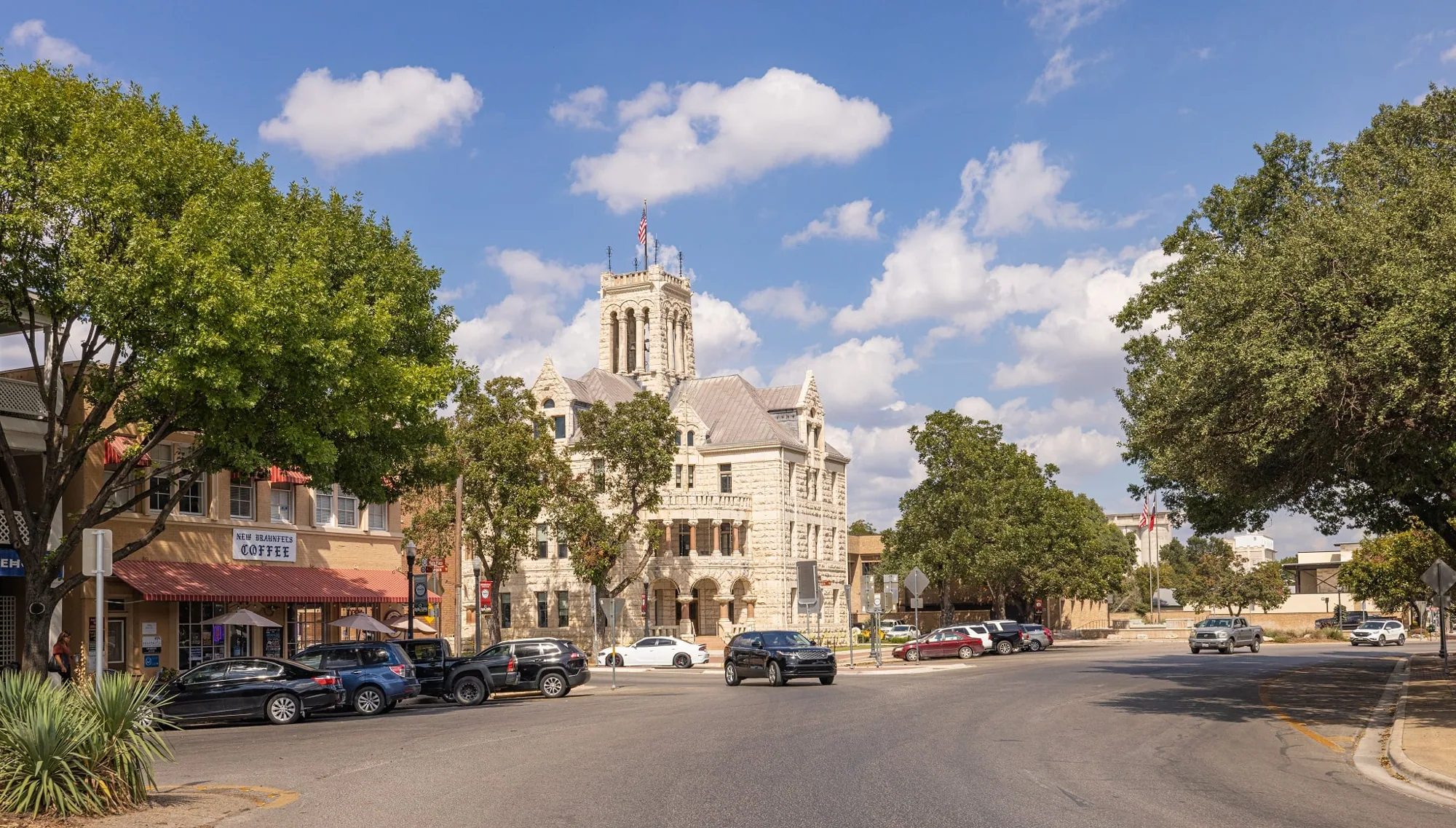
Johns Manville Commercial Roofing