Retail and Restaurant Chains
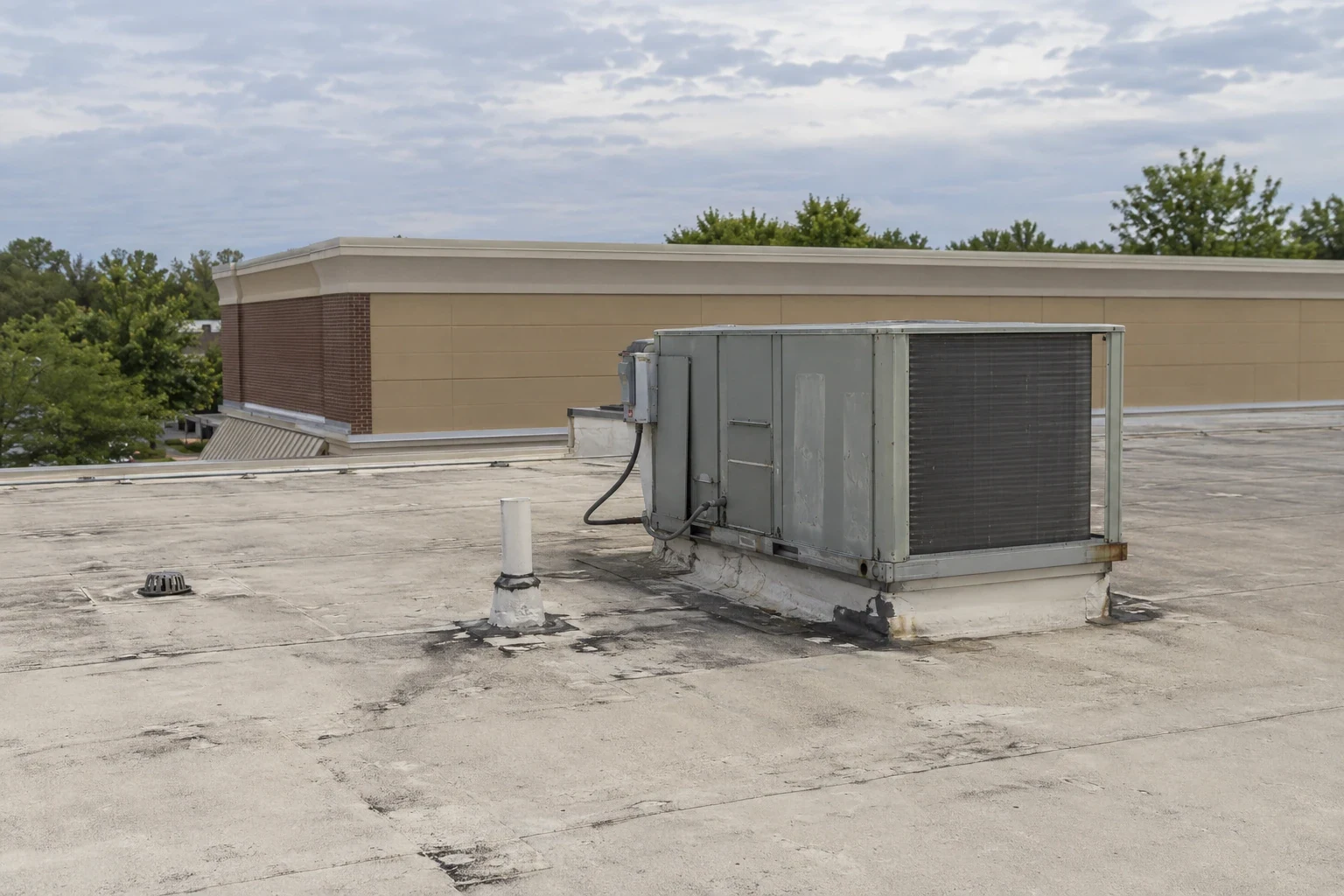
A distorted curb receiver exposed during equipment removal changes the store's repair allowance. The new unit may fit its opening while the flashing cannot seat against the bent edge. We inspect the receiver, adjoining membrane and support before approving the roof connection. For a chain operator in New Braunfels, TX, that finding separates a local curb correction from replacement of sound roofing elsewhere. The equipment purchase and roof repair need compatible dimensions before either work area closes.
We repair commercial roofing and rebuild equipment interfaces with the remaining assembly in view. A store's standard equipment package can guide purchasing. Its roof condition still determines the material we remove and retain. We measure the affected opening, test adjoining layers where needed and identify the correction that lets the equipment trade complete its work. A wider renewal becomes a separate decision if deterioration extends beyond the curb.
Check the receiver before setting the replacement unit
A bent flange can leave a concealed gap under an adapter. Fastening the adapter more tightly may distort it further or put stress into weak receiving material. We examine the curb's shape, attachment and available vertical flashing height. The equipment trade checks the unit connection and support requirements. Those findings determine whether the existing curb can receive the new detail or needs rebuilding before installation.
The proposal for correcting equipment curb interfaces should distinguish metal reconstruction, membrane work and concealed-layer removal. We check the adjoining surface for cuts, loose bonds and moisture that could enlarge the opening. A compatible connection needs suitable material beneath it. We leave the unit's equipment weather seals with the responsible trade and identify the roofing closure that must be completed before the work area returns to use.
Match the work area to each trading location
Live Oak Crossing and Gateway Plaza form part of the retail building mix in Live Oak. Store roof work needs a material route that does not interfere with customer entries or receiving doors. We identify the requested building's access, tenant boundaries and roof drainage before laying out the correction. A shared roof requires the work boundary to follow the actual assembly as well as the operator's occupied space.
Marion's businesses include restaurants, a meat market, gas stations and a hardware store. Restaurant work adds kitchen exhaust and food-handling constraints to the roof release. We coordinate the affected equipment shutdown, protect intake openings as required and keep debris away from deliveries. Those tasks influence the repair date and handling allowance. They do not require removing usable field roofing merely because equipment work is taking place nearby.
Determine which existing layers can carry the detail
A sound-looking sheet beside a curb may cover damaged board. We examine exposed edges and make focused openings where the receiving condition changes the repair. Dry, attached material can remain if it suits the reconstruction. Wet or broken layers receive their own removal boundary. The scope for rebuilding insulation and cover board should show how the new material joins the retained construction without leaving an unsupported step.
Material identity also affects the closure. A welded thermoplastic repair, an adhered rubber detail and a liquid-applied transition need different preparation and compatibility checks. We identify the sheet and existing patch materials before specifying the work. Grease contamination beside kitchen equipment may require removing affected material rather than applying another surface treatment. The restaurant roof correction must address the affected assembly while the kitchen trade resolves the discharge or containment condition.
Compare repeated corrections with the renewal boundary
Several failed curbs on one store can make repeated access and opening costs significant. We compare their measured reconstruction with the condition of the surrounding roof. A usable field may justify rebuilding the equipment details while retaining that field. Broad layer damage may make those local repairs poor preparation for a later replacement. The removal quantity, remaining attachments and upcoming equipment changes give the owner a practical basis for deciding.
A roof work program across several stores should carry each building's actual condition into that comparison. An identical menu or store format does not make the roof assemblies identical. We inspect the next location before extending its repair allowance. Operators working with property managers responsible for shared buildings also need agreement on which roof and equipment interfaces belong in the authorized work.
Set a repair date that permits a complete closure
An equipment delivery that arrives before the receiving curb is ready can force another lift or leave unfinished flashing beneath an installed unit. We coordinate the removal, correction, placement and roof closure in that order. Temporary protection must suit the opening and anticipated exposure between trades. The work allowance includes lifting or disconnection only where the responsible trade confirms those tasks are needed. It should not conceal them within a general patch description.
For roof work at a large retail store, the delivery and waste routes can affect how much area is opened at once. We maintain a weather-resistant stopping point and keep the customer approach usable under the agreed protection. Chain owners considering a sale or equipment investment with real estate investment teams need the remaining roof work identified before that decision date, especially where replacement is proposed beyond the immediate correction.
Inspect the rebuilt connection before removing protection
The completed curb needs a continuous flashing connection and a suitable termination. We check the repair edge, visible attachment and adjoining roof drainage. Equipment placement must not cover a detail that still needs completion. The handover identifies the material restored and any field roofing left outside the work. If investigation found a broader defect, the next renewal decision stays tied to that measured finding rather than becoming an unexplained recommendation to replace the entire store roof.
The operator should also receive a practical maintenance access route. Service work can damage fresh flashing if a technician must step over it to reach the unit. We identify the vulnerable approach and compatible protection where needed. Later equipment replacement can change curb dimensions again. Carry those dimensions and the installed repair material into the next equipment review so the new purchase does not reopen a connection that remains suitable.
Commercial Roofing Questions
Can one curb correction be specified for all our stores?
Inspect the receiving construction at each affected building first. The same unit can sit on different curb heights, roof sheets and concealed boards. We can coordinate the work requirements across the chain, but each correction needs suitable dimensions, materials and attachment at its own opening. Reusing an unchecked detail can leave the next store with an incomplete connection.
Should we replace a roof before changing kitchen equipment?
A pending equipment change creates an opportunity to examine the opening, not an automatic replacement requirement. We compare the retained field with the material that must be disturbed. If wider deterioration makes replacement appropriate, coordinate the equipment interface with that renewal. A serviceable assembly may need only the measured curb and flashing reconstruction.
What enlarges the allowance after a unit is lifted?
Concealed wet board, damaged support or distorted receiving metal can increase the correction. After the unit is lifted, we document the newly visible layers and show how they change the approved tear-back quantity. Agree on the added work before closing it. A temporary weather-resistant closure may be needed while the owner and equipment trade resolve the changed condition.
How do you decide whether a shared roof repair reaches another tenant?
Trace the damaged layers and drainage across the proposed boundary. We identify where sound material can receive the new connection. The physical repair may extend beyond the occupied unit to reach that material. Coordinate permission and protection for the affected area, then distinguish that access from any additional roofing proposed for the neighboring tenant.

Retail and Restaurant Chains