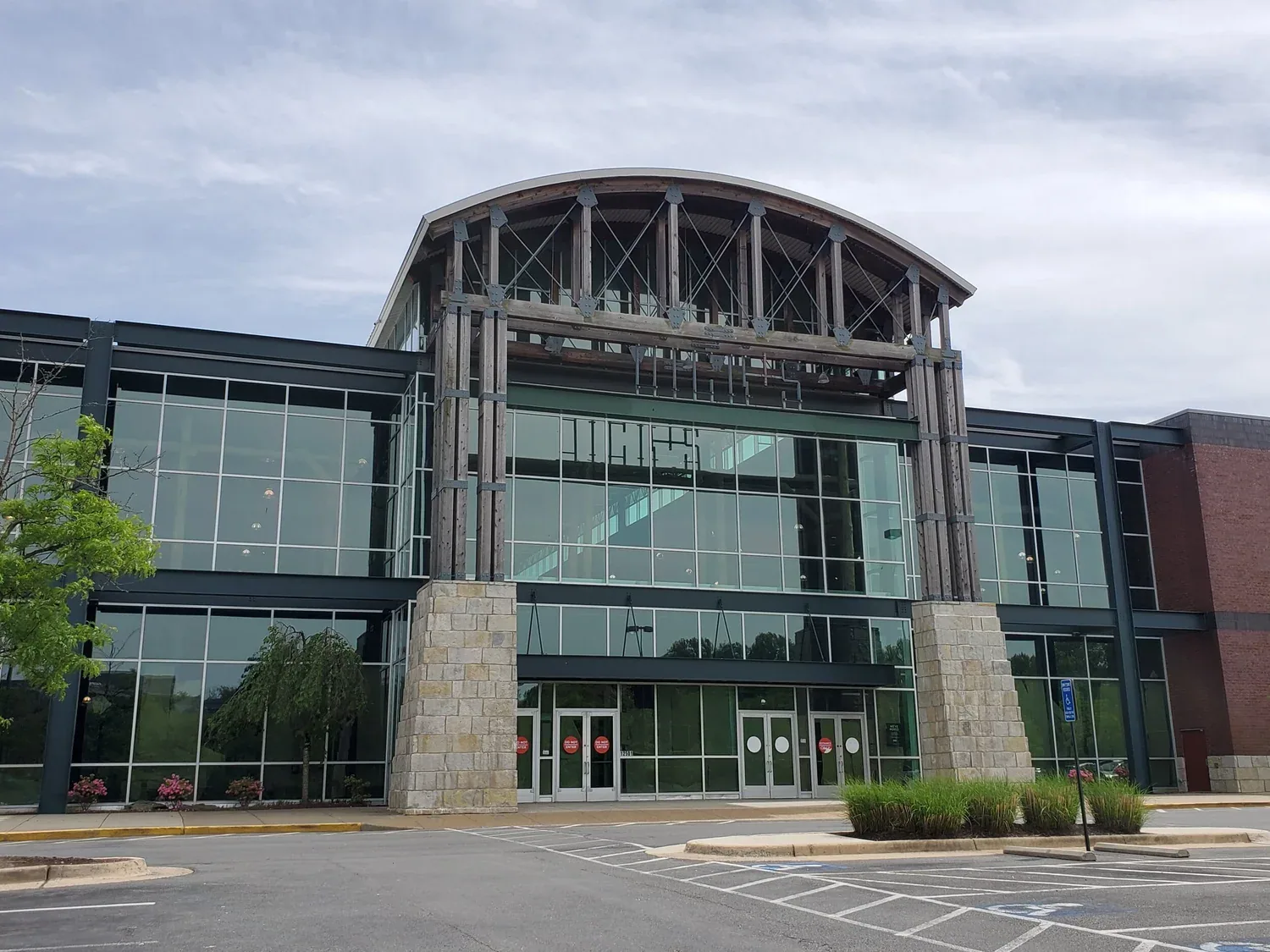
Big-Box Retail Roofing
A detached walkway weld beside a roof-access hatch can leave the service route loose while the membrane beneath it remains useful. The repair allocation needs to distinguish walking protection from the weatherproof layer. Big-box retail roofing in New Braunfels, TX, connects that finding with access and the receiving surface. We examine the walkway attachment and underlying sheet. The owner can then correct the service detail or damaged roofing without assigning the entire field the same renewal quantity.
Commercial Roofing New Braunfels maintains, repairs and installs commercial roof assemblies above retail operations. Service access, rooftop equipment and merchandise protection influence the work boundary. We assess those conditions before recommending retention. The roof proposal identifies the material requiring correction and the arrangement needed to complete it. A useful investment restores the damaged connection and leaves suitable field construction available for continued care.
Examine the protective layer and its receiving membrane
A walkway's attachment must suit the selected roof system. Loose edges can interfere with service access and expose adjoining roofing to repeated wear. We assess the protective material and the sheet below it. Abrasion, puncture or contamination can require a separate membrane repair. Suitable receiving material may support reinstallation or replacement of the walkway. The work should identify both quantities before the detached portion is simply fastened or sealed down.
We connect repair of traffic-related membrane damage with appropriate service protection. The selected walkway should be compatible with the assembly and placed without blocking drainage or concealing details that need maintenance. Safe access must be established for the repair itself. The owner should compare the affected route and its roofing, rather than assume every loose protective edge means the field sheet has failed beneath it.
Locate the opening above merchandise and operating use
A roof repair above stocked sales or storage space can require protection and a suitable work release. We identify the area beneath the damaged detail with the building operator. The actual membrane or lower-layer boundary determines the opening quantity. Handling positions and material movement need appropriate separation. A narrower release can be useful where it permits complete rebuilding and closure of the affected assembly.
Adjoining retail storage roofing may have different product movement from the sales area. A building with grocery operations can also have equipment dependencies requiring review. We assess those actual connections. The work sequence should show the protection needed beneath the roof and the material quantity rebuilt above it. Interior operating zones should not be assumed to establish the extent of damaged roofing or the access needed to correct it.
Plan the retail service route at the property
Live Oak's retail developments include Gateway Plaza and Live Oak Crossing. For a property there, we inspect the actual roof access point and service route before selecting repair positions. Walkways and equipment approaches should lead to the details requiring care without creating an unresolved surface condition. Exterior material handling also needs a suitable release. The owner can compare the local protection quantity with any damage found in its receiving membrane.
Downtown New Braunfels contains boutiques and cafes along with galleries and music venues. Roof access for a property in Live Oak can differ from an operating retail building downtown. We examine the available handling and the roof connection under consideration. The work should remain tied to that assembly. Useful access and material boundaries are established at the building, so the next repair does not rely on a regional retail pattern that misses the actual detail.
Restore the equipment approach without concealing roof work
A worn service route can continue beyond the hatch to units, outlets or wall transitions. We examine its receiving surface and the details it crosses. New protection should leave room for drain servicing and examination of repaired roofing. Equipment may need another work position where its housing conceals a connection. The scope identifies that access requirement before the protective layer is installed.
We assess roof interfaces beneath retail equipment with the planned service arrangement. Support and loading changes may need appropriate design review. A TPO field and compatible walkway detail is one option where suitable. Other roof materials need their own protective construction. The investment should compare the whole system at the route and unit, rather than use the same attachment or pad arrangement regardless of the roofing it meets.
Compare local traffic damage with assembly renewal
A detached protective layer can be corrected where the underlying field remains suitable. We examine its attachment and the condition of support beneath suspected damage. Lower-layer moisture or deterioration can enlarge rebuilding. Repeated surface injury may also point to an operating route needing correction. The owner should compare that service change with the local repair instead of repeatedly restoring the same exposed contact point.
We evaluate retail field replacement where broader material findings support it. A renewal phase includes drainage, curbs and the protective routes required for future use. Retained construction must suit the selected assembly. Local repairs may remain useful outside a damaged area when the receiving material allows. The comparison should identify those boundaries and the weather closure required, rather than treat a detached walkway as a decision about the entire roof by itself.
Set the service correction beside the next equipment change
A planned unit installation can alter the path from the access hatch or move its service position. We review that change before replacing the protective route. Related preparation can be useful where it prevents removal of new work later. The existing membrane still needs assessment for suitable retention. The immediate repair and changed operating route should each have a clear material quantity.
We connect retail operating roof decisions with the building's next equipment or renewal release. Different properties may need different protective routes, even where their operating use is similar. The owner should see the repair itself, its receiving layers and the access required for completion. Your next allocation can then restore useful service protection while keeping broader roof renewal tied to actual field condition.
Commercial Roofing Questions
Does a loose walkway weld mean the retail roof membrane must be replaced?
Inspect the protective layer and the sheet beneath it as separate components. Suitable membrane may remain where a compatible walkway correction can be installed. Abrasion or puncture needs local roofing repair, and damaged lower construction can enlarge removal. We identify those different quantities. The renewal decision should follow the actual field condition rather than the detached protective edge alone.
Can another walkway be installed directly over the damaged route?
Prepare a suitable receiving assembly before placing new protection. We assess loose material, contamination and membrane damage at the existing route. The selected walkway needs compatible attachment and useful drainage access. Covering the old defect can leave unsuitable material beneath the new layer. The work should restore the sheet where needed and then provide the protection appropriate to its system and use.
How should roof access be handled while the route is under repair?
Establish a suitable access arrangement before relying on the damaged walkway. We coordinate the work position and affected equipment access with the building operator. The repair may need another route or release period. The material scope still must reach the detached section and underlying damage. A practical sequence provides safe access and complete roof correction together.
What if a new rooftop unit changes the protective path?
Review the proposed service approach before replacing the existing protection. Related route preparation may avoid reopening new work. We examine the receiving membrane and the details the changed path crosses. Drains and connections needing maintenance should remain reachable. The owner should compare that arrangement with the equipment installation rather than reproduce a route that no longer serves the unit properly.
When does recurring service-path damage justify broader roof work?
Assess the cause of contact damage and the construction remaining between affected points. Useful field roofing may support local repair and better protection. Wider moisture, deteriorated support or weak attachment can require another renewal quantity. We distinguish those findings in the comparison. The next investment should address the service mechanism as well as the material condition it has affected.

Big-Box Retail Roofing