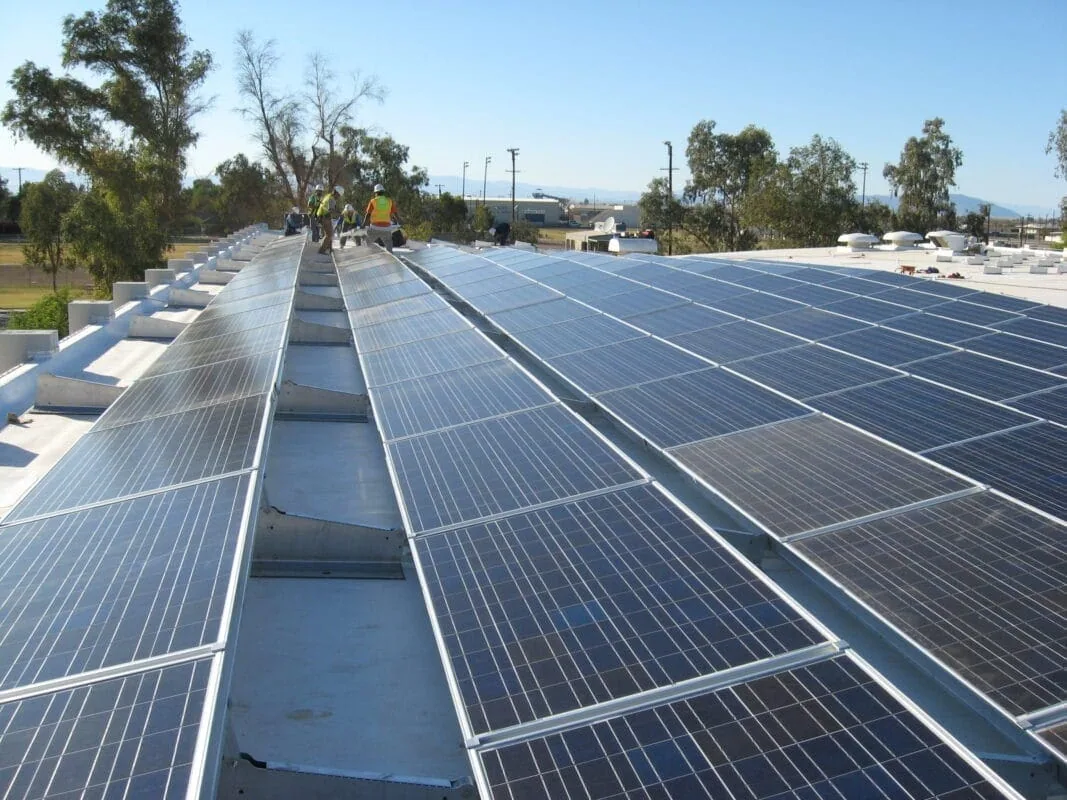
Solar-Ready Commercial Roofing
A failed roof-to-wall termination in the planned solar work area moves roofing into the first funding decision. We compare rebuilding that interface with renewing the adjoining field before the array is installed. Solar-ready commercial roofing in New Braunfels, TX, examines the assembly that would remain beneath the equipment and the details that must stay accessible. We assess material condition, drainage and support interfaces. The useful roof scope prepares those connections rather than leave the next repair dependent on removing panels.
Commercial Roofing New Braunfels handles roofing preparation and coordinates relevant interfaces with the solar work. Array design, electrical work and structural assessment remain with the appropriate specialists. We examine the existing roof and identify corrections that belong before equipment installation. A serviceable retained assembly can support a different funding sequence from one already needing renewal. The owner needs that distinction before the solar installation closes access to the weather protection.
Assess the roofing that will remain beneath equipment
An aging seam or damaged flashing can become harder to reach after an array is installed. We inspect the proposed covered areas and investigate suspect layers. Moisture, deterioration and weak attachment can change the preparation scope. A localized correction may restore a suitable area. Broad assembly problems can favor renewal before the array is set. The examination should establish what material would remain and how it could be repaired later.
We compare renewal before the solar installation with retaining suitable construction. A roof allocation needs to account for future panel removal if major work is deferred. The comparison does not require assuming an exact remaining service period. It needs actual condition findings and a practical sequence. Installing equipment over a roof already needing substantial rebuilding can leave two connected expenditures competing for the same access later.
Coordinate the load and roofing interface
Ballasted and attached array systems place different demands on the roof. Their load path, movement and contact details require appropriate design. We assess the roofing interface with the selected arrangement. Insulation and cover board need suitable condition beneath contact points. Penetrating connections need compatible weatherproof details. The array support decision and the roof's ability to receive that interface must be considered together before installation.
We coordinate roof support and penetration work with the relevant design and installation trades. A protective pad may separate contact materials where the system permits it, but it does not rebuild weak supporting layers. A mechanical attachment can also affect concealed construction. We identify the roofing quantity that follows from the proposed design rather than selecting supports independently of the assembly they will contact or penetrate.
Leave the repair route usable
A panel row can obstruct access to a drain, seam or equipment curb. We examine those locations against the proposed layout. Service routes should reach components needing maintenance and permit useful roof examination. Applicable access, fire and array requirements need assessment by the appropriate project participants. The roof preparation decision should incorporate those constraints before the array footprint becomes difficult to change.
Future maintenance around array interfaces also needs workable access. Debris can collect around equipment and supports. Technicians may need protected walking routes. We identify the roof details likely to require care and coordinate suitable access with the array plan. A serviceable membrane remains a poor retention choice where its vulnerable connections become inaccessible. The investment should leave useful weather protection that can still be examined and corrected.
Preserve discharge beneath the layout
Supports and panel arrangements can influence where debris collects or where water reaches the surface. We examine the roof geometry and outlet approaches before installation. A support must not obstruct the useful drainage path. Low areas or failed outlet connections may need rebuilding ahead of the array work. The correction should fit the finished assembly and preserve access to the discharge detail.
We include drainage detail preparation where the survey identifies a need. Array shading can also change local drying conditions, making the existing material and drainage assessment important. The selected roofing must suit its exposure and support interfaces. A PVC roofing connection has specific compatibility and installation requirements, as do other systems. The preparation scope follows the actual roofing rather than treating any surface as equally suitable for covering with equipment.
Plan solar preparation with the operating change
For a planned building addition, roof and array interfaces can be considered before the new construction closes those decisions. We assess the roofing role within the proposed project and coordinate with the appropriate design work. The useful outcome is a suitable assembly, accessible details and a roof scope that fits the planned operating change.
San Marcos has manufacturing and light industrial activity alongside its educational institutions. Selma's growth follows Interstate 35. For roof preparation above warehouse use, operating access and interior protection can affect work releases. A property in San Marcos needs a separate assessment from one in Selma or New Braunfels. We define the retained material and array interfaces against the actual building rather than carry the same renewal assumption across a group of properties.
Combine related work before closing access
A planned membrane renewal, curb change and array installation may involve the same working area. We compare those schedules before defining the roof release. Compatible work can be coordinated to avoid unnecessary reopening. Urgent defects may need a local correction sooner. The owner should see which work protects the roof now and which preparation belongs with the later installation. Each quantity needs a purpose tied to the building condition.
The roof capital allocation should include necessary removal, support-interface work and future access needs. Array equipment can complicate later roofing even where the present installation is suitable. We make that relationship part of the renewal comparison. A solar-ready decision concerns the roof's ability to remain useful beneath and around the installation. It should fund suitable weather protection and serviceable interfaces rather than presume the equipment removes the need for future roof work.
Commercial Roofing Questions
Should a roof needing broad repairs be renewed before panels are installed?
Compare the affected assembly with the work that would be difficult after installation. Widespread deterioration or concealed damage may favor renewal first. Suitable local corrections can support retention where the remaining roof is serviceable. We identify those differences and the future access consequence. The useful funding decision considers both present repair needs and the equipment handling that later roofing could require.
Does a ballasted array avoid all roofing preparation?
Contact points, loading and drainage still need assessment. The assembly must suit the proposed support arrangement, with appropriate structural design. Protective interfaces may be required, and damaged insulation needs rebuilding. We examine those roofing conditions with the array design. Avoiding penetrations does not establish that the existing surface or supporting material can receive the equipment without further work.
Can panels remain directly above a roof drain?
The layout needs workable access to the outlet and suitable drainage around it. We coordinate that question with the array design and applicable requirements. A covered or obstructed detail can make cleaning and repair difficult. The roof preparation should preserve a useful service route rather than install equipment first and discover that a necessary outlet cannot be examined or maintained.
Who decides whether the building can support the solar equipment?
Appropriate structural assessment establishes the load suitability. We examine the roofing interfaces and coordinate the work with that design. A sound membrane is not evidence of structural capacity. The equipment loads, support arrangement and existing construction need consideration together. Roof preparation then follows the selected design with suitable contact protection or penetrating details where required.
How should I plan for later roofing around the array?
Identify the roof details that need inspection and the areas that may require future renewal. We assess access and coordinate the interfaces while the layout can still change. Major later work may need equipment removal by the relevant trade. That possibility belongs in the funding sequence. Retention is more useful where the assembly remains suitable and its necessary repair connections remain reachable.

Solar-Ready Commercial Roofing