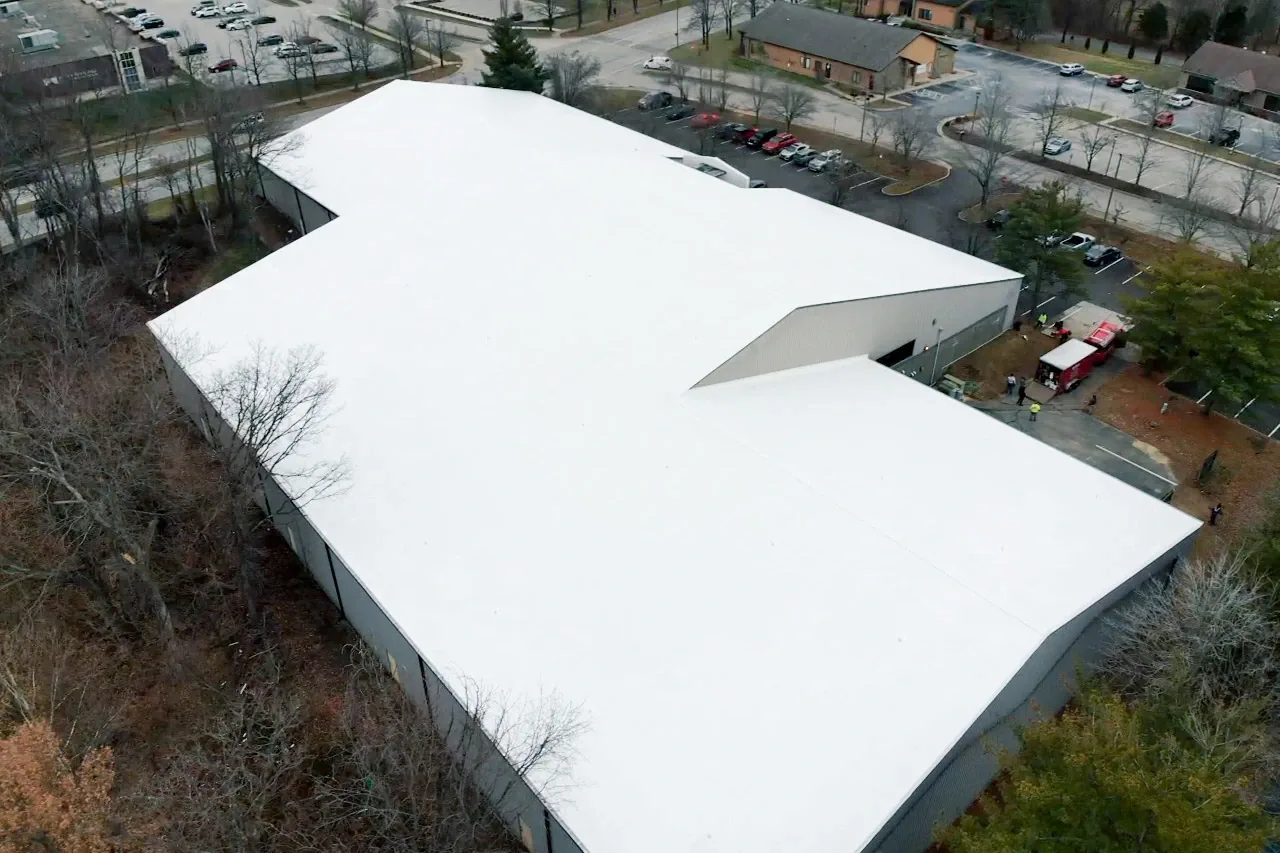
Commercial Metal Roof Retrofit
Panel ribs deeper than the proposed filler can leave an unsupported layer beneath a membrane retrofit. The retained profile changes the preparation quantity. Metal roof retrofit in New Braunfels, TX, needs assessment of that geometry and the supporting condition before a new assembly is selected. We identify the filler, board and attachment requirements together. The owner should compare a complete retrofit base, not just the surface intended to cover it.
Commercial Roofing New Braunfels evaluates metal roofs for repair, restoration and suitable retrofit construction. The existing panels may remain where condition and project requirements allow. Damaged attachment or support can require rebuilding first. A new assembly should not conceal those defects. We compare what the proposed work retains with the material and connections it must restore, so the renewal decision follows the actual roof.
Fit the new support to the retained shape
A membrane retrofit over metal may use system-appropriate flute filling and supporting layers. The existing panel profile affects that layout. We examine rib depth, spacing and the surface condition before choosing preparation. The new layer needs suitable support across its working area. A board placed over an unresolved void may not provide the receiving assembly required for the proposed installation.
We coordinate filler, insulation and cover board work with the selected system. A TPO retrofit surface needs appropriate attachment and compatible details above that base. The installation requirements govern the useful construction. The owner should see which material fills the retained profile and which layer supports the new membrane, with both quantities assessed rather than combined into an unexplained overlay allowance.
Correct the panel and fastening condition
Loose exposed fasteners or deteriorated washers can admit water and weaken a metal connection. We examine panel condition, fastening and supporting material. Stripped attachment or corroded metal may need replacement rather than another exposed seal. Suitable existing panels can remain in a defined retrofit where the proposed assembly permits it. The retention decision must include the construction that transfers loads into the building.
A standing seam renewal system presents a different support and connection comparison from a membrane retrofit. Appropriate structural and assembly design may be needed. We identify those questions before new construction closes the existing roof. Retrofitting over unsuitable attachment can leave a larger quantity resting on an unresolved base. The useful scope repairs the retention conditions as well as installing the selected new surface.
Assess concealed moisture and interior conditions
Water beneath retained metal can affect insulation and support that are not evident from above. We investigate suspect conditions where they change the retrofit scope. Damaged layers need a defined removal and rebuilding quantity. A dry panel surface does not restore material affected beneath it. Appropriate examination should establish what remains suitable before another assembly makes those areas harder to access.
Interior conditions also affect condensation and vapor-control questions in the proposed construction. Those decisions need an assembly assessment appropriate to the building use. We coordinate that review rather than assume filling the ribs resolves every moisture issue. Where retention within a roof recover is proposed, loading and applicable requirements also matter. The owner should compare suitable assemblies with their necessary corrections, not surface options detached from the concealed building conditions.
Preserve the outlet and raised connection
Added material changes the finished relationship to gutters, drains, curbs and walls. We assess those heights and routes before choosing the retrofit build-up. An outlet may need an altered connection. A curb can need extension or replacement where flashing height becomes unsuitable. The geometry must let the new roofing meet each detail properly while maintaining the intended discharge.
We examine equipment connections within the retrofit with the relevant service requirements. A planned unit replacement may influence when the curb should be rebuilt. New support or penetration details also need to fit the retained metal and proposed assembly. Those quantities can be significant compared with the field material. The owner should see them before installation, rather than discover that the added surface cannot connect suitably to an interface left unchanged.
Release retrofit work for the operating property
CMC Steel and Hexcel are among Seguin's manufacturing employers. For an industrial roof project, the work release needs assessment of the activity beneath preparation or removal. Retaining eligible metal can reduce some exposure, but support repairs and detail rebuilding may still require openings. We identify those specific tasks before comparing operating benefits with the construction each retrofit method needs.
State Highway 123 runs from Geronimo toward San Marcos to the north and Seguin to the south. For retrofit work above manufacturing use, roof access and equipment coordination can influence the sequence. A property in Seguin has its own retained panel and support conditions, just as one in Geronimo does. We define those material findings before selecting a release. We examine retained layers, support and attachment before establishing the local work quantity.
Compare retrofit preparation with full removal
Extensive panel repairs, filler work and interface changes can erode the apparent benefit of retention. We assess those quantities against the removal and rebuilding alternative. Sound construction may support a suitable retrofit. Broad corrosion or damaged support can favor a larger renewal. The comparison should identify the material each method retains and the condition it restores rather than treat reduced tear-off as the only investment criterion.
Comal County has humid summers with substantial heat, affecting preparation conditions for compatible repair materials. We assess surface suitability during the work release. Planned changes to equipment or use also belong in the metal roof renewal allocation. The next expenditure should provide a suitable new assembly and workable future access. It should not leave the retained profile, attachment or moisture condition waiting for another correction beneath the completed retrofit.
Commercial Roofing Questions
Why does the existing panel profile affect a membrane retrofit estimate?
The panel geometry controls the support preparation required by the proposed assembly. Rib depth and spacing can change filler and board quantities. We examine those conditions before choosing the build-up. A membrane needs a suitable receiving surface, not an unsupported layer over voids. The estimate should distinguish preparation from new surface work so the owner can compare a complete retrofit with removal.
Can deteriorated fasteners remain beneath the proposed retrofit assembly?
Attachment and supporting conditions need assessment before retention. A new surface does not repair a weak existing connection. We identify fastening, panel or base work required for the proposed assembly. Suitable material may remain where the requirements permit it. Covering an unresolved attachment problem can leave the completed retrofit dependent on construction that already needs rebuilding.
Does rib filling resolve condensation inside a metal roof assembly?
Moisture behavior depends on the complete construction and interior conditions. Appropriate design assessment may be needed for insulation and vapor-control decisions. We examine the retained layers and proposed system together. Filler provides a support role within certain assemblies, but it should not be treated as a complete condensation correction without examining the building and the construction that will remain.
What if added retrofit layers make equipment flashing too low?
Assess the proposed finished level before installing the field. A curb extension or replacement may be needed to create a suitable connection. We coordinate that quantity with equipment service and planned changes. The useful retrofit scope includes the resulting interface work, rather than preserving an old curb that cannot serve the new height and then reopening the finished roof to correct it.
When does removing the old metal become more useful than retrofit?
Broad panel corrosion, damaged support or extensive preparation can change the comparison. We identify the construction that a retrofit would retain and the work needed to make it suitable. Removal may offer a more complete rebuilding path where those quantities are substantial. The recommendation follows the remaining assembly condition and complete scope, not a general preference for retaining existing material.

Commercial Metal Roof Retrofit