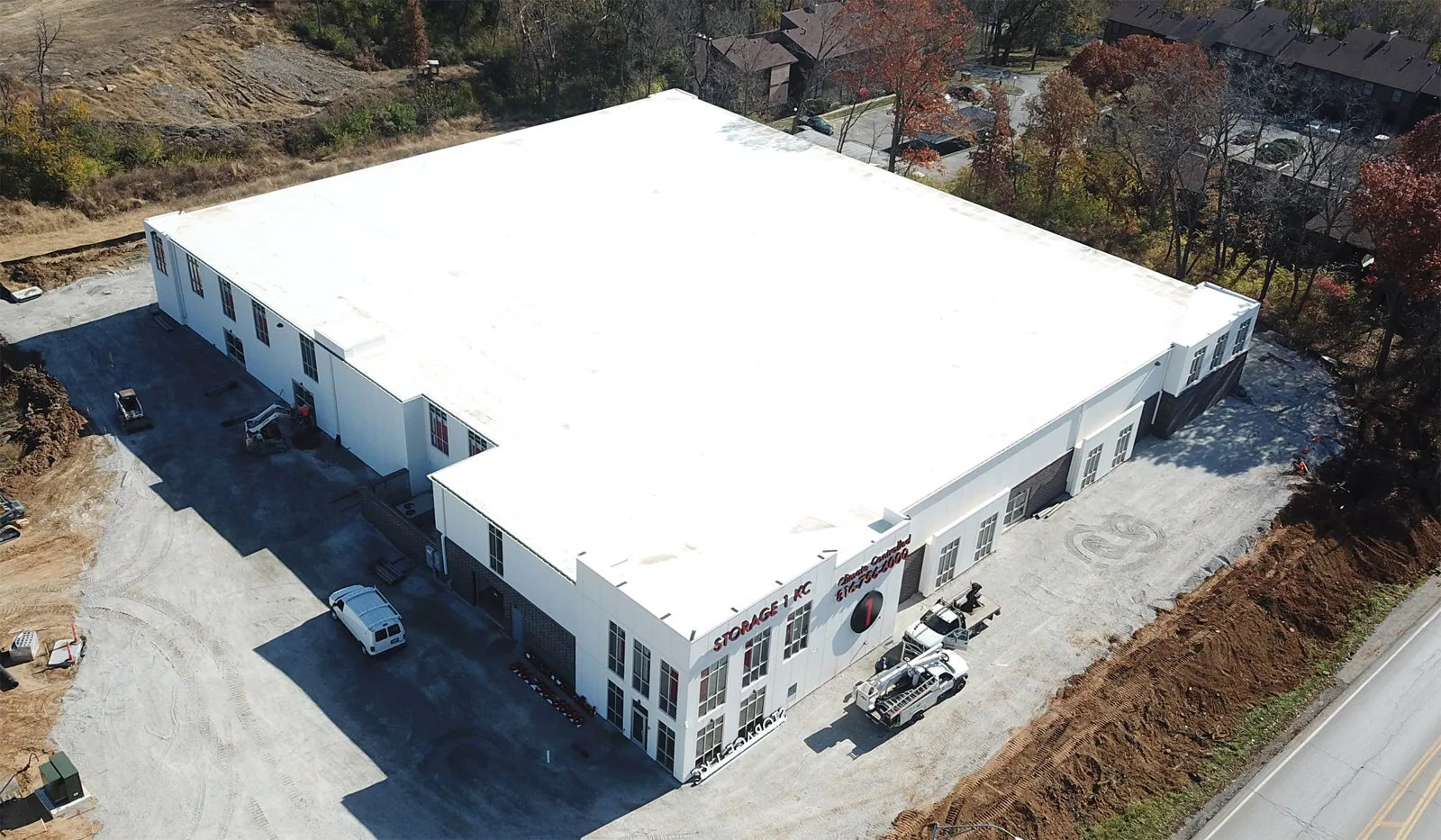
Military Warehouse and Depot Roofing
Corrosion on the underside of metal deck exposed during a local opening can change retention even where the upper roofing is dry. The receiving structure needs qualified assessment before another surface investment is released. Military depot roofing near New Braunfels, TX, connects that finding with the deck and roof layers affected. We inspect accessible construction and coordinate the necessary review. The owner can then compare defined deck correction with the material retained beyond its rebuilding boundary.
A warehouse roof decision includes the supporting construction beneath the weatherproof layers. We repair and install commercial roofing while identifying related work required for a suitable receiving assembly. Storage protection and operating access also influence the release. The next allocation should show the local structural correction, layer removal and complete roofing reconstruction. Dry upper material may remain useful elsewhere, but the affected deck needs its own assessed quantity before closure.
Establish the deck correction before selecting retention
Corrosion can affect metal thickness, connections and the support available for the assembly above. We examine accessible material and identify the area needing qualified structural assessment. Deck laps, fasteners and supporting interfaces may require closer review where their condition changes the correction. The relevant assessment should establish suitable repair or replacement requirements. Roofing work follows that receiving construction rather than treating the visible corrosion as only a surface-cleaning task.
We connect receiving-layer and insulation rebuilding with the necessary deck work. Local openings may have to extend to reach the required correction and a suitable roof connection. Added board is not a substitute for an unresolved structural defect. The owner should compare the deck boundary and layer removal separately. Those quantities can differ where the structural connection requires access beyond the initially opened roof area.
Plan the reconstruction beside supported storage use
Roof reconstruction serving storage use needs an affected-area release suited to the actual task. Goods beneath a deck opening may need a different protection boundary from those beside a narrow membrane-only patch. We establish that boundary and the handling route with the operator before steel or roof layers are removed. A local deck correction may require another handling position from a membrane-only repair.
For storage or maintenance roof work in San Marcos, we assess the affected support and upper layers. The useful investment distinguishes structural review from permanent roofing quantities. Each needs a practical release before new weatherproof construction closes access to the receiving deck and its corrected connections.
Measure the roofing removed to reach the deck repair
Dry insulation and membrane can still need removal where access is required for deck reconstruction. We assess the local assembly and the material connection needed after that work. Some layers may be unsuitable for reuse once opened or detached. Others may remain outside the correction where their condition and the selected system permit it. The proposal should identify replacement quantities instead of assuming that every dry upper component can simply be returned above the repaired deck.
We use direct examination of the depot assembly to define those layers. Material identity, attachment and preparation requirements affect the new connection. The roof boundary should meet useful construction after the supporting work is complete. The owner should compare the actual upper-layer rebuilding and deck quantities, rather than reducing the weatherproofing scope to the small opening through which the corrosion was first observed.
Protect stored material during deeper reconstruction
Deck removal or correction can affect the operation beneath the roof differently from a surface patch. We locate the affected area and coordinate the required storage protection with the building operator. Equipment or goods may need another position during the task. Material handling and closure require practical boundaries. The opening should not be released before the related structural and roofing sequence can proceed under the appropriate work requirements.
For renewal above continuing storage operations, unaffected areas may remain distinct where suitable protection and separation permit it. A building sharing aircraft-maintenance use or readiness operating space can have connected equipment dependencies. We assess that actual release. A narrower roofing phase is useful only where it allows complete access to the required deck correction and a suitable permanent assembly afterward.
Rebuild the weatherproof system on corrected receiving construction
The selected roof needs appropriate attachment and support after the deck work is complete. We assess the resulting receiving surface and layer configuration. Insulation, cover board and membrane details should suit that construction. Connections at drains and equipment also need review where levels change. Appropriate project requirements, including applicable Unified Facilities Criteria for roofing, form part of the assembly assessment. The new field should meet those requirements as a complete system.
A TPO roof reconstruction is one available option where suitable. Other materials need their own attachment and compatible interfaces. We connect depot outlet-detail rebuilding with the resulting levels and receiving layers. The owner should compare those full quantities. A new field installed after deck repair should not leave drain clearance, support or termination work unresolved beside its finished surface.
Compare local deck rebuilding with broader removal
A defined deck defect can require local reconstruction while suitable material remains elsewhere. The qualified assessment may identify a larger supporting boundary where deterioration or connections require it. We distinguish that result from upper-layer condition. Wider roof moisture or deterioration can create another removal quantity. The useful comparison shows what each option keeps and the construction it rebuilds, with supporting requirements resolved before a receiving assembly is selected.
We connect depot roof investment planning with the work needed now and planned equipment changes. Related preparation may avoid reopening new construction at a shared interface. Immediate weather control can also be needed while permanent deck and roofing work are arranged. Your next expenditure should restore a suitable complete assembly, including structural correction and goods protection where required. The retained field decision then follows actual upper-layer and support findings outside that reconstruction.
FM 725 runs from US 81 in New Braunfels toward McQueeney on FM 78. The roof scope still needs a safe handling route, documented access and protection for the area below.
Commercial Roofing Questions
Can dry roofing remain above corroded metal deck?
The receiving structure needs qualified assessment before retention is approved for the affected area. Dry upper material does not restore damaged deck or connections beneath it. We identify the roofing removal needed to reach the correction and form a suitable new interface afterward. Useful layers outside that boundary may remain where the selected assembly permits. The investment should distinguish deck rebuilding from weatherproof material condition.
Does the first local opening establish the complete deck repair boundary?
Examine accessible corrosion and obtain the necessary structural assessment of the affected construction. Connections or deterioration can require access beyond the original opening. We identify the upper-layer quantity needed for that work and complete closure. The owner should compare those separate boundaries. A small inspection opening should not limit the correction if receiving material outside it also requires rebuilding.
Can removed insulation and membrane be reused after the deck is corrected?
Material condition and the selected system's requirements determine suitable retention or replacement. Some components may be damaged during removal or unable to provide the new attachment and detail. We assess those quantities before assuming reuse. Useful adjoining layers may remain outside the opening. The proposal should show the actual rebuilding needed to provide a complete roof above the corrected deck.
How should stored goods affect a deck reconstruction release?
Establish protection and movement requirements with the building operator before removal. Supporting work may need a wider or different release from surface repair. We compare that arrangement with the roofing and deck quantities requiring access. The work should have a practical path to permanent closure. A restricted opening should not leave an incomplete structural correction beneath a new weatherproof finish.
When should the owner compare a wider depot roof renewal phase?
Review the structural findings and examine upper construction beyond the local deck defect. Useful roofing may remain where appropriate reconstruction can meet it. Broader support deterioration, moisture or unsuitable attachment can favor another extent. We identify those quantities separately with their release requirements. The useful allocation compares complete receiving and weatherproof assemblies rather than selecting another surface from the dryness of one opened area alone.

Military Warehouse and Depot Roofing