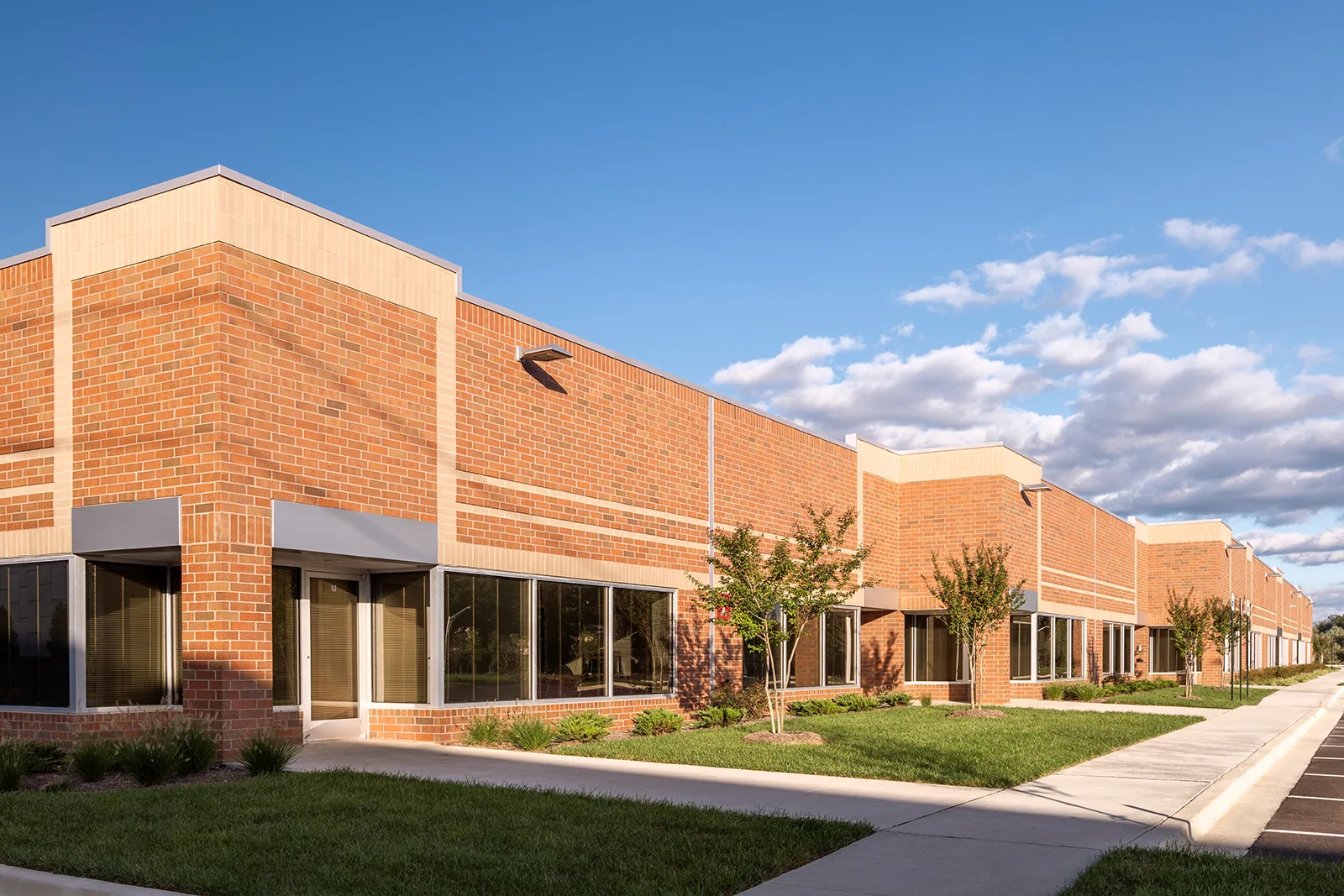
Flex and Light-Industrial Roofing
An unbonded transition between different membrane systems over adjoining flex tenants can require a designed separation detail rather than another direct sheet-to-sheet patch. The interface changes the next repair quantity. Flex industrial roofing in New Braunfels, TX, connects that finding with the material on both sides. We inspect the transition and receiving layers. The owner can then compare complete junction reconstruction with retention of suitable field roofing beyond the shared boundary.
Commercial Roofing New Braunfels repairs and installs commercial roof systems serving flexible industrial use. Office, light production and storage can occupy connected roof areas. Their equipment and work releases may differ. We assess those operating connections with the actual assembly. The proposal should identify the materials retained and the complete detail that will meet them. Tenant divisions alone do not establish a compatible roofing connection.
Resolve the mixed-material junction before field preparation
Different roof materials can require different adhesives, welding methods or flashing components. A direct connection that suits one sheet may not suit the other. We identify both systems and inspect the existing transition. Appropriate detail review should establish a compatible assembly for that junction. Damaged receiving material needs rebuilding before the new interface is installed. Another surface patch can leave the underlying material mismatch unresolved.
We connect repair of separated membrane junctions with the actual system requirements. A divider or another suitable transition may be needed where different assemblies meet. Its height, support and weatherproofing should form a complete detail. The owner should compare that interface quantity with the fields on either side. Suitable roofing may remain useful where the rebuilt junction can meet it appropriately.
Assess each operation beneath the shared connection
A roof interface can cross spaces with different operating restrictions. Mark the affected production bay and agree on its release window with the facility operator before staging materials overhead. Equipment serving another tenant can create a dependency beyond the visible partition. Protection and material handling need assessment for the actual task. The damaged-layer boundary should still reach suitable construction, even where its removal extends into another occupied roof area.
Connected light-production roofing, warehouse storage and office use may need different releases. We examine the specific shared equipment and route for debris or new material. A narrow phase can reduce exposure but add transitions. The useful sequence should permit complete rebuilding of the mixed-material junction. The owner should compare those quantities rather than choose one tenant's operating boundary as the entire roof repair scope.
Plan the flex roof beside manufacturing and technical-development use
San Marcos combines manufacturing and light industrial activity with educational uses. Flex-building roof decisions there need examination of the actual membrane systems and equipment arrangements. We assess the shared transition and receiving construction before choosing retention. A defined interface correction can be useful where both fields remain serviceable. Handling and operating protection belong in the work quantity where they change the release needed for complete reconstruction.
Its announced expansion remains a planned addition. For a property in San Marcos or New Braunfels, an operating alteration can raise roof-interface decisions before the new arrangement is installed. Schertz also has Interstate 35 access along its northern area. We examine delivery and exterior handling at the actual property before selecting the work position.
Determine the support retained beneath either field
Different surface materials can conceal different lower assemblies on either side of the transition. We investigate suspected moisture and examine attachment where those findings change retention. Test openings may establish insulation, board and deck construction at selected locations. Damaged layers require their own rebuilding boundary. A sound sheet on one side does not supply suitable support for a new junction if the material immediately beneath it is deteriorated.
We use appropriate investigation of concealed roof moisture where the assembly and available conditions suit the method. Thermal patterns need physical confirmation when they change the proposed removal. The owner should see the lower-layer quantities on each side separately. The complete transition should meet useful construction at both edges, rather than retain unsuitable material merely because only one adjoining surface shows a visible failure.
Complete the interface before a tenant change limits access
A new unit, support or service route can conceal the boundary between the roof systems. We examine the proposed equipment arrangement before reconstruction. Relevant support and design review may be needed where loading or geometry changes. The weatherproofing detail needs space for preparation and completion. The equipment sequence should not close access while the remaining roofing connection is still unfinished.
We coordinate flex-building equipment interfaces with the transition work. A TPO renewal assembly is one field option where its complete construction suits the building. Existing adjoining systems still need appropriate connections. The owner should compare retained fields, new layers and the local divider as related quantities. Surface selection alone should not leave the mixed-material detail to be resolved after equipment or another roof layer is installed.
Compare shared-junction reconstruction with wider renewal
A useful field on each side can support a defined transition repair. Broad deterioration on one side may justify a separate renewal quantity, while the other remains suitable. We examine those different conditions before recommending removal. The proposal should show the assembly each option keeps and the material it rebuilds. Immediate weather closure can also be needed while the permanent detail and operating release are arranged.
We connect renewal above occupied flex space with flex property roof allocation. Added phases can reduce the released area but create more handling and transitions. Planned tenant equipment work can affect useful preparation now. Your next expenditure should restore the shared weatherproofing connection and leave each retained field's condition clear, rather than apply another incompatible patch at the same junction without addressing the assembly it must meet.
Commercial Roofing Questions
Can different membrane fields remain while their shared transition is rebuilt?
Identify each material and assess suitable receiving construction on both sides. Useful fields may remain with an appropriate complete transition. Damaged sheet, support or lower layers can enlarge local removal. We review the compatible detail requirements before selecting reconstruction. The useful correction meets each retained assembly properly rather than assume one direct patch method will suit both materials.
Does a tenant dividing wall establish the roof repair extent?
The damaged assembly and receiving boundary establish the roofing quantity. We coordinate that work with the building operator's occupied-area requirements. Concealed damage or equipment dependencies may cross the interior partition. Suitable field material can also remain beside it. The release should fit complete junction reconstruction, not leave unsuitable layers in place solely because another tenant occupies the adjoining space.
What if one field is suitable but the other needs renewal?
Separate those material findings in the comparison. We assess the junction the renewed assembly will need at the retained field. Height, compatibility and supporting construction belong in that detail. The owner can compare one-sided renewal with another option where appropriate. The useful investment should identify what each side keeps and how the new interface restores a complete weatherproof boundary between them.
How should planned tenant equipment affect the transition repair?
Review the installation's effect on support, geometry and access before completing the roof detail. Related preparation may prevent reopening new work. We identify the material and design requirements at the actual junction. Equipment should not conceal an unfinished connection. The investment should distinguish the immediate mixed-material correction from another interface the future operating change will require.
When is wider flex roof renewal preferable to local junction repair?
Examine the fields and lower construction beyond the separated transition. Suitable assemblies may support localized rebuilding. Broad moisture, deteriorated receiving layers or weak attachment can favor another removal extent. We identify each side's quantity with the work release needed for completion. The next allocation should follow those distinct findings rather than treat all connected tenants as having the same roof condition.

Flex and Light-Industrial Roofing