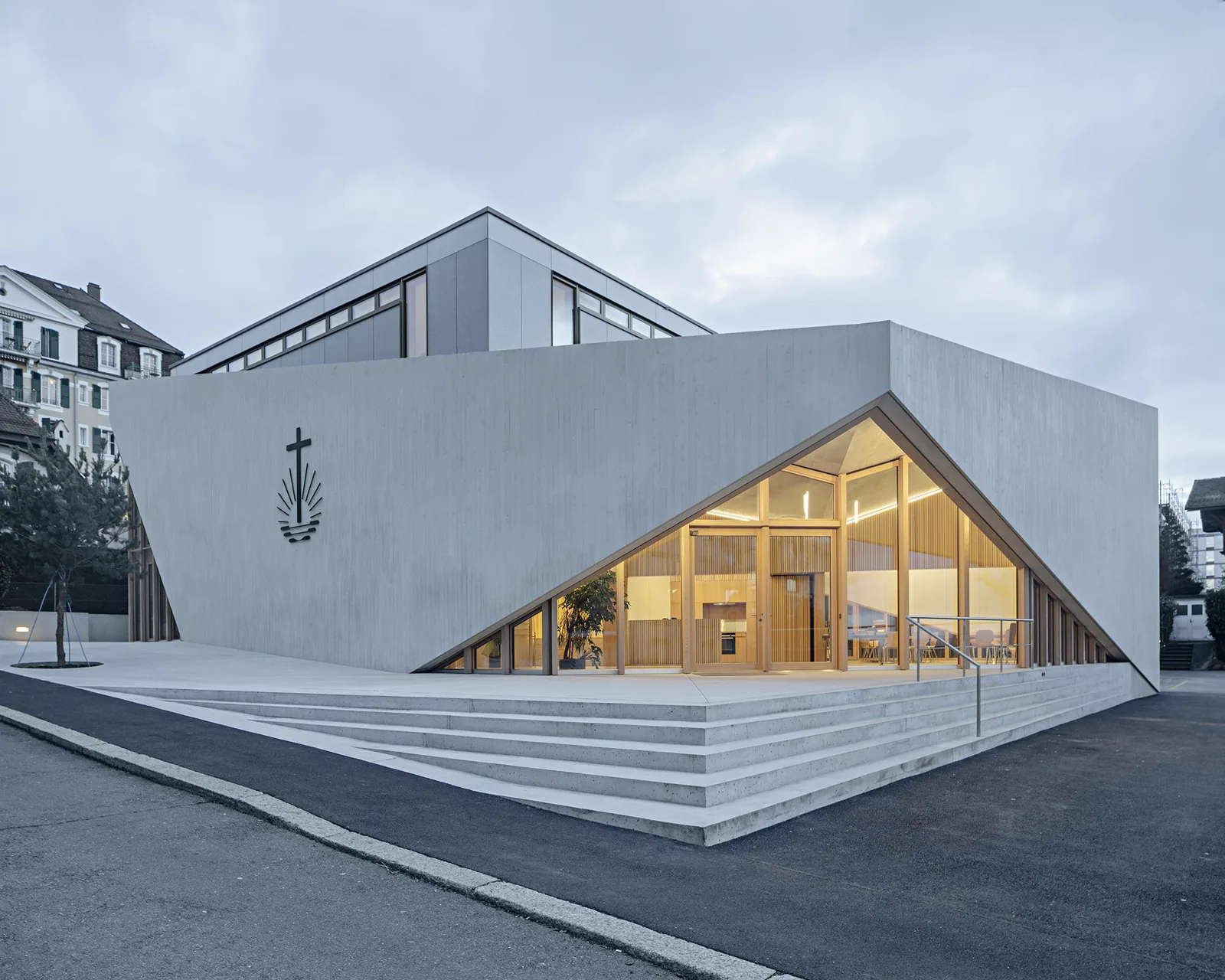
Church and House of Worship Roofing
A separated ridge closure beneath retained metal panels can leave a weather entry that another field panel replacement would not resolve. The upper connection needs a defined reconstruction. Church roofing in New Braunfels, TX, connects that finding with the panel profile and supporting material. We examine the ridge assembly and adjoining metal. The owner can then compare a complete closure repair with removal of panels whose actual condition is assessed away from that local detail.
Commercial Roofing New Braunfels repairs and installs commercial roofing for churches and houses of worship. A building can have metal slopes, low-slope additions and several different transitions. We inspect the affected assembly before recommending retention. The work release also needs to account for entrances and occupied gathering space. A useful investment restores the failed connection and distinguishes suitable field material from the layers requiring their own rebuilding.
Restore the profile connection beneath the ridge cover
A ridge cover must meet the selected metal profile with a suitable closure and weatherproof detail. Missing or separated material can allow entry beneath the cover while nearby panels remain useful. We inspect accessible securement, seal conditions and the support receiving the assembly. Damaged components need replacement or rebuilding as appropriate. A surface bead on the exposed cover may leave the concealed profile connection unresolved below it.
We assess standing seam roof detail repairs with the system's movement and attachment requirements. Appropriate design review can be needed where the assembly changes. The corrected ridge should connect to suitable panel material. The owner should compare that complete local quantity with the condition of the field. Retained panels remain a useful option only where their construction permits the rebuilt detail to meet them correctly.
Plan gathering-area roof work in the local building mix
Geronimo has antique shops and a VFW meeting and dance facility. Roof work near an occupied gathering area needs a suitable handling position and operating release. We identify the roof task and coordinate protection with the building operator. The material requiring correction establishes the removal boundary. Access and closure should fit that actual assembly before components are taken apart above an active approach.
Downtown New Braunfels contains music venues alongside cafes, galleries and boutiques. For a property in Geronimo, the roof and entrance arrangements may differ from an occupied building downtown. We examine the specific ridge, field or wall interface under consideration. The useful investment connects its material findings with the work period needed for completion. We identify the ridge attachment and receiving layers before choosing the removal and closure sequence.
Assess the change from metal slope to adjoining roof
A sloped metal roof can discharge onto another roof level or meet a low-slope addition. Those transitions need examination separately from the ridge defect. Water routing, flashing clearance and material compatibility can affect the work quantity. A retained lower field may need an altered connection where the upper assembly changes. The proposal should identify that interface before installing the new component.
We connect drainage work at adjoining roof levels with the proposed construction. A modified bitumen assembly is one option for suitable low-slope areas. Its ply and flashing details must meet the retained construction appropriately. The owner should compare those complete connections rather than choose a field surface while leaving the discharge route or roof-height transition unresolved beside it.
Determine the panel and supporting material worth retaining
Metal panels can remain serviceable while a closure or localized flashing fails. We inspect seams, coatings, attachment and accessible support. Corrosion or damaged receiving construction can enlarge the rebuilding quantity. Suspected lower-layer moisture also needs assessment where the roof assembly contains vulnerable insulation or board. The repair should not assume that sound-looking panels establish suitable construction beneath every detail.
We use hands-on examination of the worship building roof to define those different conditions. Access may require another position where the ridge or connection cannot be inspected from the available route. Selected openings can establish concealed material where necessary and are restored appropriately. The owner can compare ridge reconstruction with wider panel or lower-layer work from those findings. Each option should identify what it leaves in service.
Release entrances and interior use for the actual roof task
Roof component removal can affect an entrance, exterior approach or occupied area below it. We assess handling and protection before selecting the work release. The building operator establishes relevant use restrictions. A different route or period may be needed for the task. The roofing quantity still needs access to the damaged material and a practical closure sequence. Those requirements should be resolved together.
A building containing school use or administrative office space can have another operating dependency beside the gathering area. We examine the actual shared equipment and roof connections. For renewal during continued building use, phases need suitable temporary transitions and weather protection. Additional phases can reduce the released area while adding repeated handling. The owner should see those quantities in the comparison before choosing the opening boundary.
Allocate the ridge correction and wider assembly renewal
A defined ridge repair may restore the affected connection where panels and support remain useful. Broad corrosion, weak securement or lower-layer deterioration can favor another renewal quantity. We assess those findings before recommending removal. The investment includes the ridge components, receiving construction and access needed to complete the detail. A wider field installation should still identify how its upper closure will be rebuilt.
We connect worship building roof expenditure planning with planned additions and equipment alterations. Related connections can be worth preparing before new roofing closes them. Immediate weather control and permanent reconstruction remain distinct steps where both are necessary. Your next allocation should restore useful protection at the damaged assembly and leave retained material identifiable. Later renewal can then follow the actual condition of the field, rather than another repair to the same unresolved profile closure.
Commercial Roofing Questions
Can a separated ridge closure be repaired while the metal panels remain?
Examine the profile, attachment and panel material available for the rebuilt connection. Suitable panels may remain where the selected ridge detail can meet them correctly. Corrosion or damaged support can enlarge local removal. We define damaged closure components and the receiving panel boundary before pricing reconstruction. The useful correction restores the concealed closure and weatherproofing interface, rather than apply another seal only to the exposed cover.
Why would replacing nearby field panels leave a ridge leak unresolved?
The failed closure may sit beneath the ridge cover rather than within the replaced panel surface. We assess that complete interface and the material it meets. New panels still need a suitable upper connection. The proposal should identify the closure, securement and supporting work required there. A field installation should not be released without the damaged ridge assembly included where it remains necessary.
How should a lower roof receiving water from the metal slope affect the repair?
Assess the discharge path and transition before altering the upper assembly. The lower roof may need its own detail or drainage correction. We identify material compatibility and resulting height relationships. Suitable lower construction can remain where the new connection meets it properly. The owner should compare those interface quantities with the ridge repair rather than treat each visible surface as an isolated decision.
What work release is needed beside an occupied gathering area?
Coordinate the affected entrance, handling and protection with the building operator. Another route or operating period may be appropriate. We assess a practical removal and closure sequence for the actual roof quantity. Additional phases can add transitions and handling. The selected release should allow complete reconstruction while keeping unrelated occupied use distinct where suitable protection permits it.
When does ridge repair become a larger metal roof investment?
Inspect the panels, securement and support beyond the failed closure. Useful material can support local reconstruction. Widespread corrosion, unsuitable attachment or concealed damage may favor broader removal. We compare those different quantities with the assembly each choice retains. The next expenditure should address the actual construction rather than either replace every panel from one ridge symptom or leave known field deterioration unresolved.

Church and House of Worship Roofing