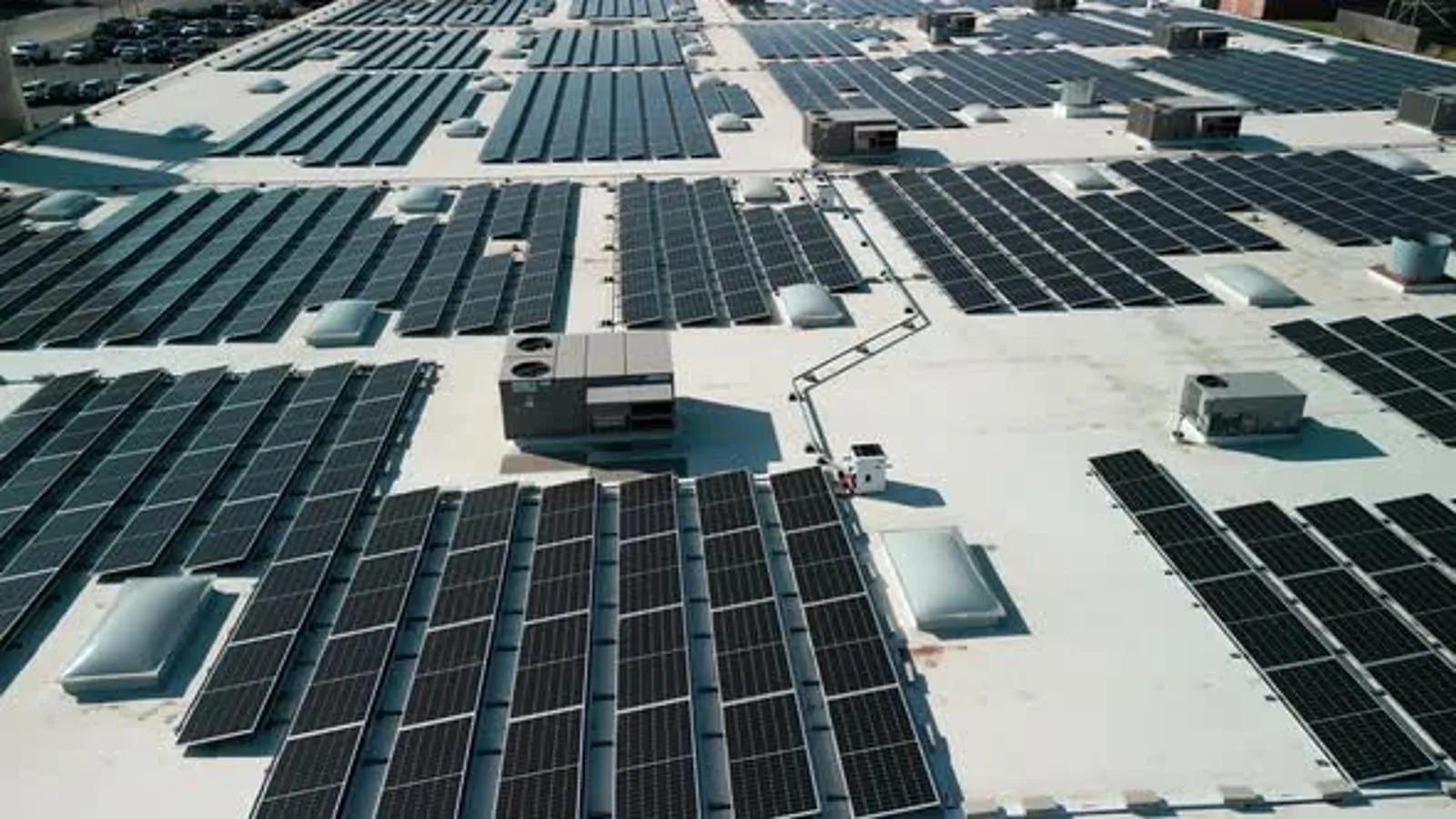
Drone Roof Inspection
A displaced panel beyond a usable roof access point can change which area needs examination first. Aerial imaging can locate that visible condition without treating an uncertain surface as a walking route. Drone roof inspection in New Braunfels, TX, helps assess roofs with difficult access and document exposed details. We use the images to direct the next work decision. The useful result is a defined area for closer assessment, repair planning or further investigation.
Commercial Roofing New Braunfels combines drone imaging with suitable roof examination. Photographs can show disturbed components, debris and patterns across the surface. The assembly beneath them needs other methods where its condition controls the repair. We distinguish the visible finding from the follow-up needed to assess it. Your expenditure should fund the information that changes the work scope, rather than a collection of overhead views without a practical purpose.
Choose the decision before the flight
A suspected edge displacement calls for different imaging from a general roof condition review. We establish the affected building, roof area and question to be answered. Overhead views can show the relationship between equipment, drainage areas and apparent surface damage. Oblique views may reveal an exposed edge or displaced component. The planned image coverage should suit those details and the conditions under which they can be seen.
Where a roof needs a broad condition assessment, imaging can help locate the areas for a hands-on roof examination. Where an active leak needs tracing, interior observations and close detail checks may be more useful than a full aerial survey. We compare those approaches before recommending the work. A drone visit should reduce an inspection uncertainty or direct the next examination, with the flight scope tied to that specific purpose.
Locate the exposed condition
Debris marks, displaced metal and visible openings can help identify a storm-affected area. We examine image clarity and the angle at which each detail appears. Small seam defects or concealed flashing connections may not show adequately from above. A shadow can resemble an opening. Multiple views and close examination can help resolve the observation before it becomes a repair quantity.
For suspected wind-related roofing damage, imaging can show disturbed surface areas and the relationship to perimeter components. The next action may be temporary stabilization or examination of adjoining attachment. Suitable storm repair planning also requires evaluation of the material that remains. We connect the aerial finding to that follow-up so an owner can distinguish a visible local defect from a possible wider assembly problem.
Keep the hidden layer in the comparison
A uniform-looking membrane can conceal wet insulation or weak support. Ordinary visual drone photography does not establish those conditions. Where retained material affects the investment, we recommend a suitable examination beneath the surface. A physical opening can identify layers and their condition. A moisture survey may help locate suspect areas across an eligible assembly. The choice follows the question the roof decision still needs answered.
Thermal imaging is a separate investigation with its own operating requirements. It needs suitable conditions and physical confirmation of suspect findings. An infrared assessment of possible wet layers can support removal planning where the assembly permits useful results. Visual images remain useful for locating those findings relative to roof features. Physical examination then determines whether the insulation and supporting material are suitable for retention or need rebuilding.
Assess the flight against its surroundings
Restricted or controlled properties may require owner authorization, flight-clearance review, escort coordination and defined no-go zones before a drone inspection is scheduled. Proposed drone work needs assessment of applicable airspace requirements at the actual property, along with safe flight conditions and required permissions. We evaluate feasibility before treating aerial imaging as the planned inspection method. Buildings near an active aviation setting may need a different approach where a suitable flight cannot be arranged. Ground-based observation and safe roof access remain part of the comparison.
Interstate 35 links New Braunfels with Schertz and Selma. A property in Schertz needs its own flight assessment, rather than the assumptions made for another building along that route. Nearby people, structures, equipment and access boundaries affect the operation. We identify the constraints that bear on the imaging task. The owner's roof decision can still proceed with another inspection method when aerial work does not offer a safe, permitted and useful examination.
Image the working roof interfaces
The inspection scope follows the actual roof geometry and the operating activity below. We coordinate imaging so the work does not obstruct the building's necessary movements or create an unsafe approach.
A manufacturing roof assessment may need closer investigation at exhaust equipment, drains or penetrations identified in the images. Those follow-up areas should remain specific. Aerial coverage can help prioritize access to them, particularly where different roof elevations complicate a walk. The value lies in reaching the important detail with a clearer work plan. It does not require turning every photographed roof feature into an immediate repair item.
Carry the image into the next work quantity
A visible loose component needs a location, an affected boundary and a follow-up action. We connect imaging with condition findings that support repair decisions. A photograph may establish that a panel has moved while leaving its supporting attachment unresolved. The next examination needs to address that attachment. Once the affected condition is established, the owner can compare securing, local replacement and broader renewal where warranted.
Imaging cost and timing depend on access arrangements, flight feasibility, weather and the detail to be captured. Roof clutter and obstructed views can reduce the usefulness of an otherwise broad survey. We discuss those factors before selecting the work. A limited flight with suitable views may answer a focused question. A larger roof review may need aerial coverage and hands-on examination together. The scope should close the important inspection question and identify what remains for the next investment decision.
Commercial Roofing Questions
Can aerial photographs support a repair approval without anyone walking the roof?
Clearly visible damage may support an initial stabilization or further examination decision. Permanent repair quantities can still depend on attachment, concealed layers and close connections. We identify those unresolved items before finalizing the scope. The safest access method should reach the information needed for the repair. A photograph is useful where it shows the condition, not where it merely suggests what lies beneath it.
Will a drone image tell me which insulation should be removed?
Ordinary photography shows exposed roof conditions rather than moisture inside the assembly. Removal planning may require suitable thermal investigation and physical confirmation. We assess whether those methods fit your roof before recommending them. Aerial views can locate the suspect area relative to equipment and outlets, but the damaged-layer boundary must follow the investigation of the material itself.
Should I request a flight after every apparent storm impact?
Match the method to the affected area and available access. A visible displaced component on a difficult roof may benefit from aerial examination. A small accessible flashing defect may be better assessed directly. We compare those approaches with the building conditions and safe working limits. The goal is a useful finding for stabilization or repair, rather than a flight chosen solely because a storm occurred.
What happens if flight restrictions prevent imaging my building?
Another examination method can address the roof question. We assess ground observation, safe roof access and any suitable alternative access equipment. Some conditions may need further planning before close inspection is possible. The scope should identify that remaining need. Flight feasibility affects the method, while the owner's repair or renewal decision still depends on establishing the actual assembly condition.

Drone Roof Inspection