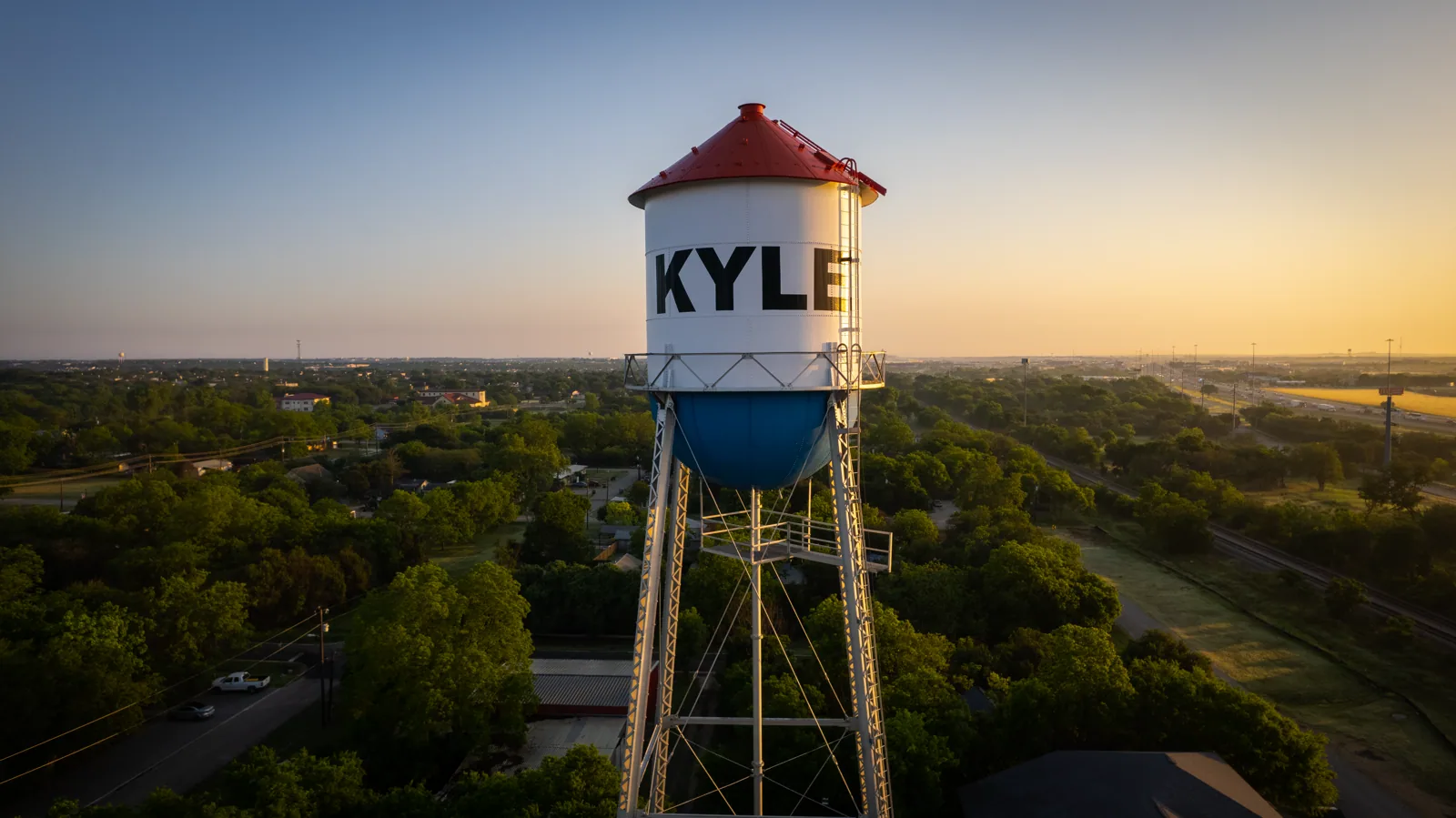
Kyle
A leak over a service counter may enter well away from the interior mark. In Kyle, TX, we trace that path across the actual roof before deciding whether the work is a local repair or a broader removal. Interstate 35 runs through Kyle north of San Marcos. A rail line also passes through downtown, with the nearest Amtrak passenger stop in San Marcos. Those transportation facts help orient the service area, but they do not establish any property's access or roof design. We confirm the building entrance, membrane, drainage and occupied areas with the owner. That educational and training use can bring access, class schedules and active instruction into the work plan; we confirm each requested building’s requirements before setting a release. Our commercial roof inspection is scoped to a particular building, and a photo condition report can carry the observed defect into a funding review. Nearby San Marcos and New Braunfels are regional references, not substitutes for a Kyle inspection.
Connect the interior mark to the roof
We begin at the area where water appeared, then check the roof plane above and around it. Seams, wall flashing, drains, curbs and changes in slope can each carry water toward a different interior location. We compare the reported timing with recent weather and any equipment or maintenance work, without assuming the visible stain is the entry point. Photos identify the exact detail and its neighboring conditions. If a roof opening is needed, it is selected to answer a layer question and then rebuilt the same day. The owner sees the proposed boundary before the work expands. In the Comal County profile for New Braunfels, summers are described as hot and humid and winters as mild to warm. A Kyle roof is checked onsite before bond work. We check surface temperature and moisture at the work area before adhesive or coating preparation. An active leak may require emergency stabilization first, followed by a measured permanent repair. If a seam is the observed failure, the correction must address both the failed weld or splice and the condition of the adjacent membrane.
Map what stays and what comes out
A recover, patch or replacement decision depends on the layers that remain sound. We identify the membrane type, insulation, cover board, attachment and deck condition through records, visual review and selected test openings. Moisture readings can help compare roof areas, but the owner needs a boundary confirmed against material, not a color map alone. Wet insulation is removed until the remaining edge is dry and firm. Stable material can remain where the assembly and repair detail allow a proper tie-in. The roof sketch shows the area opened, replacement depth and adjacent transitions that were checked. A thermal scan can help focus confirmation points when its mapped readings add useful direction. We price insulation and cover board separately when depth or extent changes the investment. For an occupied or institutional property, the operator confirms access, safety and operating requirements before we set the inspection route.
Restore the whole penetration detail
Many roof leaks begin at an interface that has been disturbed. A curb may have new equipment, a conduit may pass through a patched membrane, or a wall termination may separate from its backing. We check whether the flashing is attached to sound material and whether water can drain away from the detail. The correction may require removing a small section, rebuilding insulation, and extending the membrane beyond the point of failure. Each layer is identified before closure. The repair method follows the installed system. Thermoplastic sheets require clean, properly prepared material and a continuous weld; EPDM details use compatible primers and splice materials; modified bitumen must be restored in a way that matches its layer sequence. We do not apply one repair detail across different assemblies. A penetration and curb flashing inspection can define the scope at a roof opening, while TPO system work is appropriate only when TPO is on the building. The proposal separates the roof repair from equipment work that belongs to another trade.
Test the repair against replacement
One sound repair can extend service on an otherwise stable roof. Repeated leakage at separate seams, widespread moisture, loose attachment or several failing transitions can make a larger renewal phase the stronger comparison. We list the quantities that change cost and time: removal depth, wet insulation, deck repairs, perimeter metal, drains, curbs, protection and disposal. A recover only stays in the options when the existing roof is dry, secure, drainable and compatible with the proposed assembly. A recover assessment identifies those checks before a new layer is priced. When removal is needed, the scope shows the complete assembly and sequence for restoring it. The condition report should distinguish confirmed repairs from future monitoring items. If operations require a release date, we align work sections and inspections to that date after verifying material availability and field conditions. New Braunfels Building Safety enforces city permits and inspections within its limits; we confirm the applicable jurisdiction for a Kyle property rather than applying another city's process by assumption.
Keep access and closeout in the scope
Kyle’s position near regional highways and rail lines helps orient the service area. The site contact still needs to identify the loading gate, lift point, hatch route and active equipment before we plan a crew’s movement across that property. For phased work, each shift has a defined removal boundary and a weather-ready closeout. Drains are protected from debris and rechecked before the work area is released. If the building remains occupied, occupied-building sequencing separates tenant routes and notices from roofing production. A later inspection can revisit drains, penetrations and prior repairs, recording any change by location. The building contact confirms operating hours, lift access, safety controls and release timing before mobilization. The closeout record lists completed areas, photographs, remaining conditions and the date for the next owner decision.
For a Kyle property, we compare roof age, drainage and access at the site before recommending a repair. Broad service-area coverage does not replace a review of the actual assembly or its maintenance history.
Commercial Roofing Questions
How do you identify a roof assembly before specifying a Kyle repair?
We review available plans and repair records, identify the visible membrane and attachment, and inspect the roof area in question. If concealed layers affect the repair boundary, we propose a controlled opening and record the construction found before selecting compatible materials.
What should we do when the ceiling mark is remote from the roof defect?
We inspect above and around the interior mark, following seams, drains, curb flashings and wall transitions that could carry water. The reported timing and roof history help narrow the route. If a concealed layer remains uncertain, we propose a controlled opening, record what it shows and restore the roof before expanding the repair quantity.
Can work proceed while a Kyle facility remains in use?
We divide the roof into work areas and confirm access, noise limits, delivery timing and equipment protection with the building contact. Each section is opened and secured to a weather-ready boundary before release. The owner’s operating limits become dated hold points, with access, equipment protection and safety tasks assigned before mobilization.
What records help compare a repair with a larger roof phase?
The useful record includes roof plan locations, photographs, assembly layers, confirmed wet boundaries and quantities of completed and remaining work. We identify what was repaired, what remains stable and what should be checked later. That lets an owner compare the cost and timing of another local correction with a measured recover or replacement option.
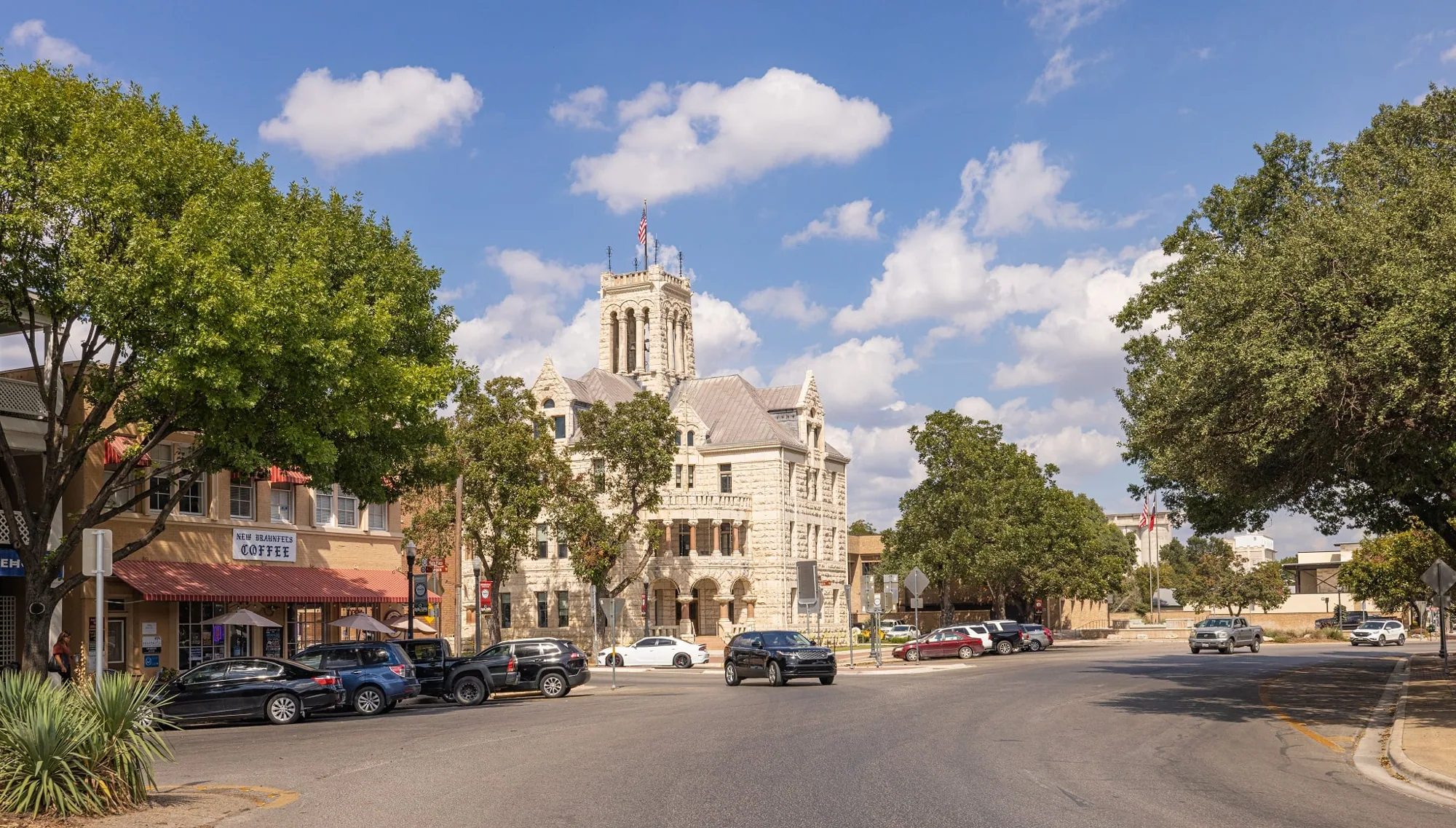
Kyle